
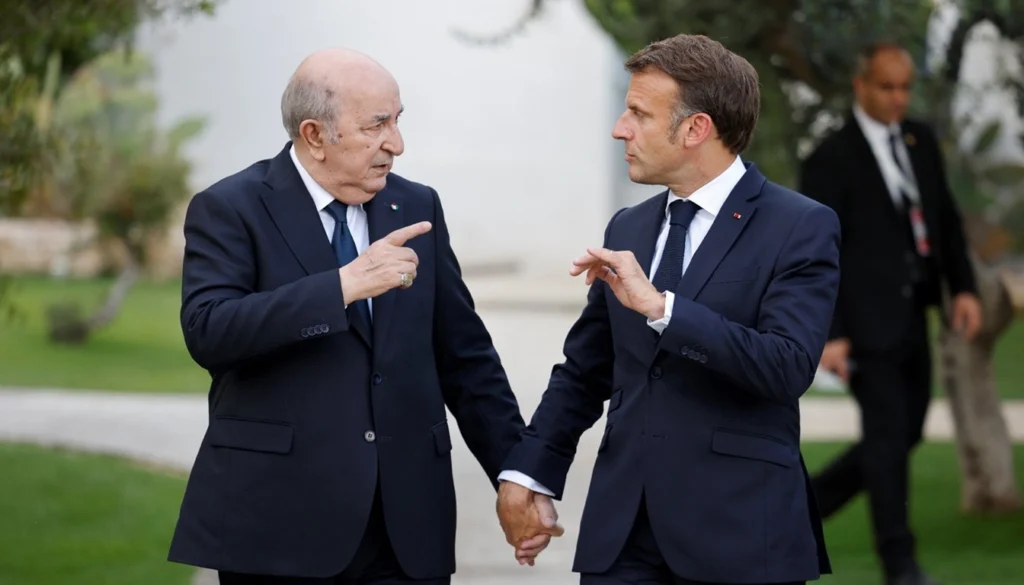
France has stopped waiting for Algiers to move and taken its complaint to Europe. The France-Algeria trade dispute reached the European Commission on Friday, when Paris asked Brussels to examine whether Algeria is honouring its trade commitments to the EU.
What France is accusing Algiers of
French officials say Algeria has set up an almost total blockade on French imports. They also accuse Algiers of halting urea shipments to France. Urea is a key fertiliser ingredient, so the move matters well beyond the diplomats.
Paris is leaning on the EU-Algeria Association Agreement, which took effect in 2005. The deal opened up trade and removed tariffs between EU states and Algeria. A French Foreign Ministry spokesperson noted that it also allows countermeasures when one side fails to keep its promises. France wants the Commission to check at once whether those measures can be used.
A feud with deep roots
This is not a sudden quarrel. Relations between the two countries have been tangled for decades by the colonial past. They worsened after President Emmanuel Macron backed Morocco in its row with Algeria over Western Sahara. In 2025 the two sides expelled each other’s diplomats.
Algeria then passed a law calling French colonisation a “state crime”. France called the move manifestly hostile. Now the fight has moved from history and diplomacy to trade.
Why Africans should pay attention
For readers across the continent, the story shows how old wounds can shape modern economics. Algeria is one of Africa’s largest economies and a major gas supplier to Europe. Any pressure on its trade with the EU could ripple through North African markets and beyond.
It also raises a bigger question. Can African nations use trade to defend their positions without losing partners? Algeria has been building closer ties with neighbours and other partners, and this dispute may push it further down that road.
Much depends on how Brussels responds. The Commission could take up France’s request, or it could try to keep the matter quiet through talks. Either way, the outcome will be watched in Algiers, Rabat, Tunis and Paris.
For ordinary people, the worry is practical. Trade rows rarely stay in government offices. They show up in shop prices, farm costs and jobs. Whether this one calms down or grows will depend on how quickly both governments are willing to talk.
Read More
Gambia Presidential Election: Five Candidates, One Big Test for Barrow
Uganda Succession Showdown: Ruling Party Slams the Door on Museveni’s Son
Eswatini Foreign Businesses Get a One-Year Countdown to Leave
African Oil Exports Get a Boost as Asia Shops the Atlantic
Senegal Wrestlers Turn Sand Into Gold at the Dakar Youth Olympics
