
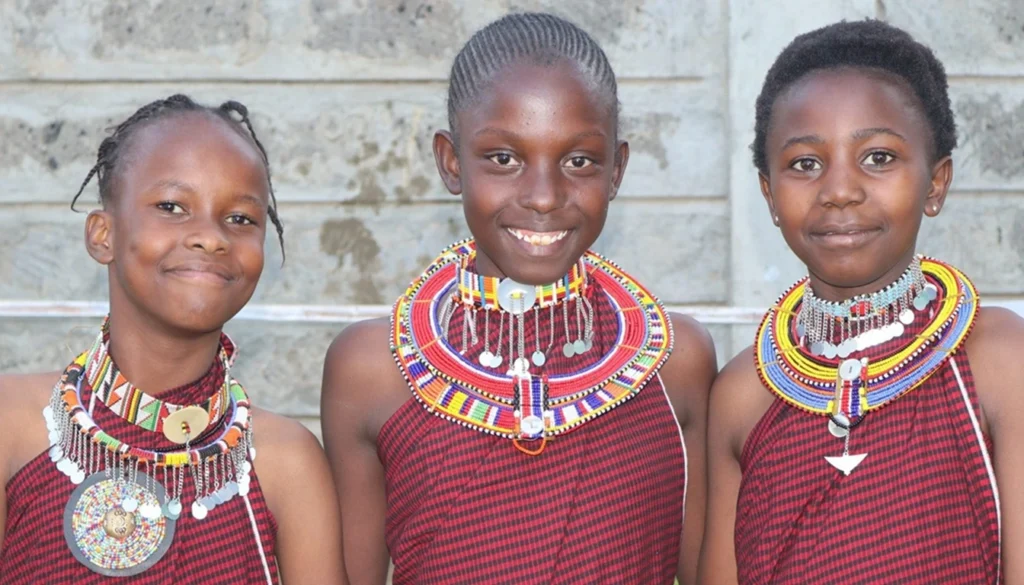
One swipe and you’re at a Lagos wedding. Another, and you’re learning a Kenyan dance in your kitchen. Keep going and there’s a teenager in sharp Ankara, cracking a joke in Pidgin to a million strangers. The debate over TikTok and African Cultural Identity is no longer confined to academic journals. It plays out daily in bedrooms, campuses and car parks across the continent, and it deserves a more honest conversation than “it’s ruining our culture” or “it’s saving it.”
From the Village Square to the For You Page
For generations, culture was passed down in physical spaces: the compound, the market, the church or mosque, the festival ground. Elders told the stories, aunties taught the dances, and language was learned at the dinner table.
Now a fifteen-second video can do some of that work. A young Yoruba girl in Lagos can learn how a Zulu bride dresses. A Kenyan student can hear Twi proverbs from a stranger in Kumasi. For many young people, social media and African identity are now tangled together. The phone has become a second village square, one that is louder, faster and far less supervised.
Tradition Gets a Remix
The most encouraging side of TikTok trends in Africa is how creatively young people handle inherited culture. Traditional wedding dances turn into challenges. Grandmothers’ recipes become cooking clips. Beadwork, hair braiding, scarification history and festival fashion all find audiences that no museum could reach.
This is an African cultural expression in motion, and it rarely looks the way older generations expect. Young creators mix indigenous languages with slang, pair Kente with streetwear, and set ancient rhythms against Amapiano or Afrobeats. Purists may wince, but cultures that survive are usually the ones that get reinterpreted by each generation.
There is a quieter benefit too. Many young Africans grew up feeling that their mother tongue was old-fashioned. When a viral video makes Igbo, Wolof or Swahili look cool, shame can turn into pride.
When the Algorithm Flattens Everything
None of this means the platform is a neutral gift. A recent Nigerian study of TikTok’s influence on youth identity points out a real tension. It found that the platform lets young people celebrate and innovate on traditional practices. It also spreads homogenised, often Western-influenced content that can dilute local identities.
The algorithm rewards whatever is quick, catchy and easy to copy. A sacred ritual can become a costume. A proverb can lose its context. A dance with deep meaning can be reduced to a trend, performed by someone who has no idea where it came from. The researchers describe this as superficial engagement with cultural symbols, which can lead to misrepresentation.
Think about what that looks like at home. A teenager may know the steps to ten viral dances but not the name of their own grandfather’s village. Visibility is not the same as understanding.
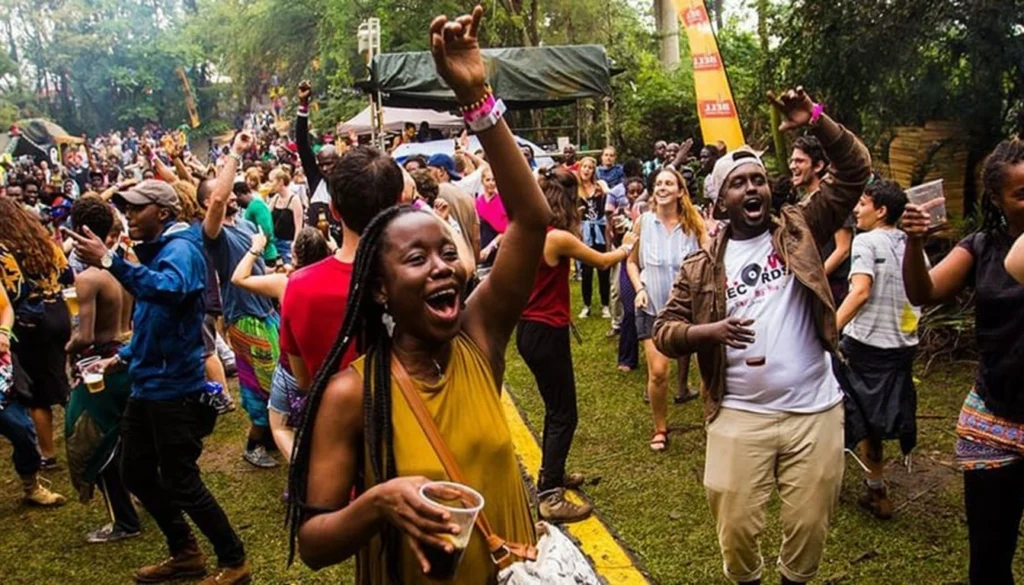
Who Gets to Tell the Story?
Another uncomfortable question is who profits and who gets heard. Global audiences often notice African culture only when a trend takes off, and the credit does not always travel with the content. Creators in smaller towns, or those who speak less widely known languages, struggle to compete with polished accounts in big cities.
There is also pressure to perform an “authentic Africa” that outsiders find appealing. Young creators sometimes shape their identity around what will go viral rather than what is true to them. That is a subtle shift, but it matters.
What the Research Suggests
The Nigerian paper, which relies on a review of existing literature and a content analysis of local trends, rests on a simple idea: the media environment shapes how people see themselves. If young Africans spend hours each day inside an algorithm-driven feed, that feed will influence how they define “us” and “them.”
Its recommendations are practical rather than alarmist. Educators, cultural practitioners and policymakers should engage with these platforms instead of dismissing them, so that more authentic and varied portrayals of African cultures can be seen. The authors also call for digital literacy programmes that help young people question what they watch and connect it to their own heritage.
This is where digital cultural influence becomes a responsibility as well as a reality. Banning an app will not fix anything, and young people will simply find another one. Teaching them to ask “where does this come from, and who is left out?” will do far more.
A Role for Everyone
Families can start by treating the app as a doorway to conversation. Ask your daughter to explain a trend, then tell her what the original tradition meant. Teachers can invite students to research the cultural roots of a viral dance. Cultural institutions and museums can finally meet young people where they already are, with short, lively, honest content.
Creators carry weight too. Crediting the communities a tradition comes from, explaining a custom properly and speaking in local languages all help keep African youth culture grounded, even while it moves at internet speed.
So, Has TikTok Changed Us?
Yes, but not in one direction. For some young Africans, the platform has made their heritage louder, cooler and more visible than it has ever been. For others, it has swapped depth for trends and local meaning for global sameness.
The real answer depends on how it is used. Culture has always travelled, borrowed and changed. What matters now is whether young Africans are the authors of that change or merely the extras in someone else’s algorithm.
If they stay curious about where their traditions come from, and the adults around them stay curious about how those traditions are being reimagined, the feed can become a place where identity grows. If not, it will just be another scroll.
Read More
Lina Attalah Trial Suspended: What It Means for Press Freedom Across Africa
IMF Egypt Agreement Unlocks $2.3bn: What It Means for Cairo’s Economy
Mozambique Opposition Leader Venâncio Mondlane Faces Terrorism Trial: What Is at Stake?
Lobito Corridor: Can a US-Backed Mineral Highway Bring Peace to DR Congo?
AFCON Qualifiers: Senegal and Morocco Book Their Tickets While Tunisia Cry Foul
