
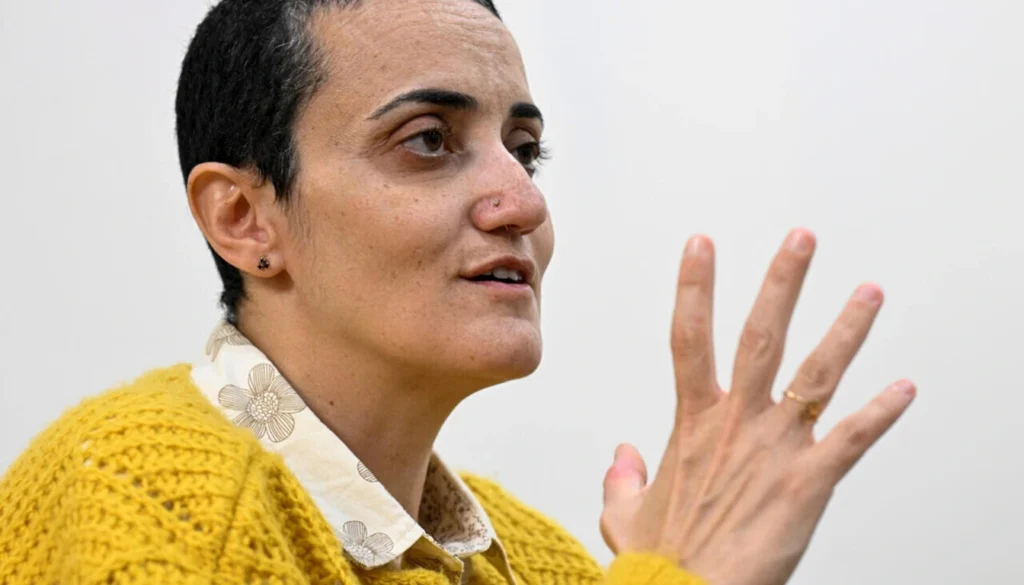
A Cairo court has halted proceedings against one of Egypt’s best-known journalists. The Lina Attalah Trial was suspended on Wednesday after her lawyers asked for the presiding judge to be removed. Attalah is editor-in-chief of Mada Masr, among the last independent newsrooms still working in Egypt.
Why the Court Hit Pause
The court stopped the case a week after it had already postponed the hearing. Attalah’s defence argues the judge cannot be impartial, since he ruled against her in a separate case on 27 October. The proceedings now wait on a decision about that request.
The charges are publishing false news and running a website without a licence. If convicted, she faces up to a year in prison. The suspension gives her breathing room, but it does not clear her name.
A Case With a Long Backstory
This is not her first brush with the courts. On 27 October, another court convicted Attalah of running an unlicensed website, fined her three million Egyptian pounds (about $53,400) and ordered Mada Masr shut. Her team says the judge appointed a lawyer for her even though eight of her own lawyers were present and she objected. She was released only after the outlet paid the fine in full.
Then came a second shock. Attalah learned she had already been sentenced in absentia to one year in prison back in 2024, without her knowledge. Her appeal against the October ruling is set for 25 November.
Mada Masr was founded in 2013 and has been blocked inside Egypt since 2017. Rights groups say this is the first of the six cases it has faced in six years to reach trial.
Why Africans Should Care
This story reaches well beyond Cairo. Journalists from Lagos to Nairobi, Kampala to Dar es Salaam, know how licensing rules and “false news” laws can be turned against reporters. When a respected editor in one of Africa’s biggest countries is prosecuted for her work, newsrooms across the continent take note.
The United Nations has criticised what it calls widening attacks on press freedom in Egypt. It says Attalah’s prosecution raises questions about due process and fair-trial guarantees. Attalah herself told AFP that the authorities are “trying to limit the already-limited space” for independent media, leaving only silence.
For readers who rely on honest reporting to hold power to account, that silence is the real cost. The next hearing will show whether Egypt’s courts let the case go forward or let it quietly fade. Either way, the continent’s journalists and readers will be watching.
Read More
Lobito Corridor: Can a US-Backed Mineral Highway Bring Peace to DR Congo?
Somali-American Attack in Minnesota Shocks Community as Prosecutors Charge Passenger
Mozambique Opposition Leader Venâncio Mondlane Faces Terrorism Trial: What Is at Stake?
Zambia Copper Boom: Billions Pour In, but Do Ordinary Zambians Feel It?
AFCON Qualifiers: Senegal and Morocco Book Their Tickets While Tunisia Cry Foul
