
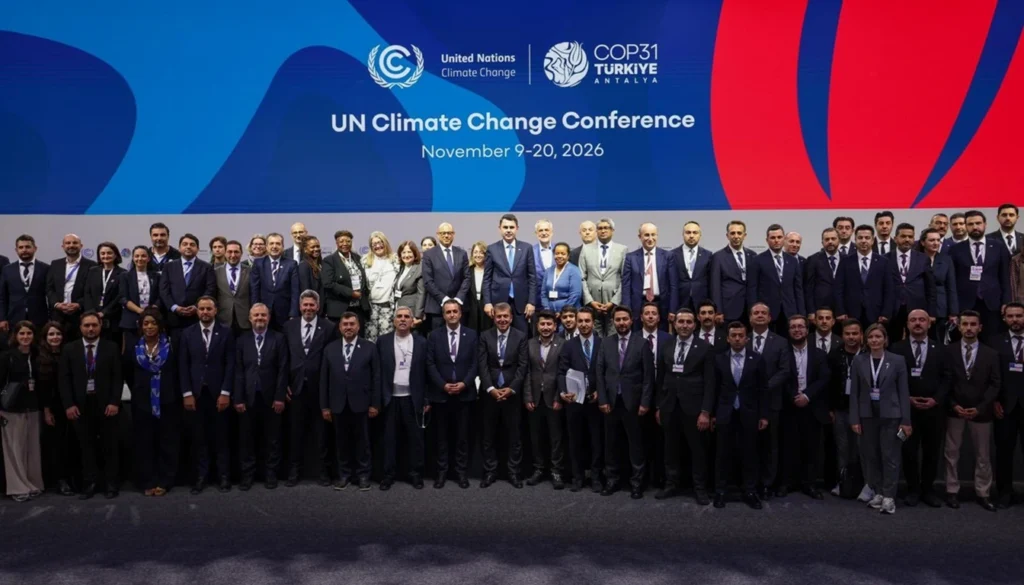
Delegates left Antalya empty-handed on Sunday. The COP31 climate talks in Turkey broke down after countries failed to agree on how to tackle global warming, and the meeting had already run two days past its deadline. For a continent that contributes little to emissions but suffers heavily from droughts and floods, this is no small setback.
What went wrong in Antalya
European nations and many small climate-vulnerable countries rejected the draft deal. Their complaint was that it stripped out key protections and favoured countries that export oil, gas and coal. COP31 President Murat Kurum admitted there was no consensus and said no new document would follow the fourth draft.
The sticking point was one familiar word: fossil fuels. For most of the first 25 years of UN climate talks, outcomes never named them. That changed three years ago in the UAE, when governments called for “transitioning away” from fossil fuels. The Turkish-Australian text recalled that Dubai deal, but critics said a mere reference was not enough.
Why Africans should care
African negotiators had arrived in Turkey demanding concrete action on climate justice. Think of Mauritius, where drought is already squeezing farmers and pushing up food prices. Think of the Sahel, the Horn and the coasts of West Africa, where every season brings new losses. Weak global ambition means these communities keep adapting at their own expense.
There is also a fairness question. Several African states produce oil and gas and want room to grow their economies. Others see rising seas and failing harvests. Both camps want a deal, but not the same one.
What happens next
Without a new overarching agreement, climate action will likely fall back on existing frameworks such as the Paris Agreement and earlier COP commitments. Those promises still stand, but critics say they are moving too slowly.
For African governments, the lesson is practical. Waiting for rich countries to settle their quarrels is risky. Investing in solar, regional power trade and drought-resistant farming cannot wait for the next summit. COP31 may have ended in failure, but the pressure on leaders to act at home is only growing.
Read More
Nigerian Youth Election Puzzle: Why Are Fewer Young Voters Signing Up for 2027?
Angola De Beers Deal: $180 Million for 10% of a Diamond Giant
Malawi Fuel Crisis: Queues, Black Markets and Broken Livelihoods
U-17 World Cup Africa: Morocco, Senegal and Mali Light Up Friday’s Action in Qatar
Africa Climate Finance: Europe Says Spend What Is Already Pledged
