
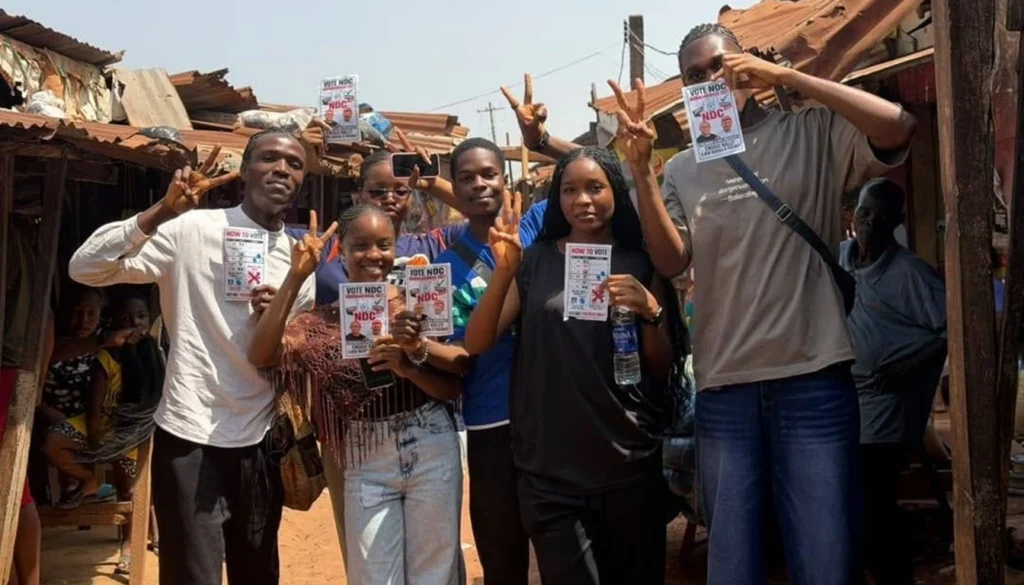
Nigeria’s young people once filled the streets and rattled the political establishment. Yet the Nigerian youth election story heading into next year is a quieter one. Fewer young people have registered to vote than in 2023, which raises a hard question about whether faith in democracy is slipping.
A Generation That Has Shown Its Power
Few have forgotten the #EndSARS protests against police brutality, which made the Soro Soke (“speak up”) generation impossible to ignore. In 2023, young Nigerians poured their energy into Peter Obi’s campaign, and social media became a political battleground. Young people make up a large share of the electorate, and in theory they could decide a result.
Why the Enthusiasm Has Cooled
Some blame disillusionment. After the last cycle, many young voters were left frustrated by alleged irregularities and delays, which strengthened the belief that their votes do not count.
Others point to how the parties are run. One Abuja-based legal analyst argued that ward-level party structures are still controlled by older players. He noted that the average young Nigerian cannot even name their ward chairman. His verdict was blunt: young people are ready to complain, but not yet ready to take power.
What Would Change the Story
The same analyst said real readiness shows up at the polling unit. That means voting, staying through collation and demanding that results appear on INEC’s IReV portal. Registration is the first step, which is why the drop in sign-ups matters so much.
Jobs, prices and insecurity remain daily worries for young Nigerians. Parties will only chase voters they believe will turn up, and a generation that stays home hands that influence to others. Hashtags can start a movement, but only ballots and persistence at the polling unit turn it into power. Whether 2027 brings another surge or a retreat will depend on whether young Nigerians believe their effort will be counted.
Read More
Lina Attalah Trial Suspended: What It Means for Press Freedom Across Africa
IMF Egypt Agreement Unlocks $2.3bn: What It Means for Cairo’s Economy
Mozambique Opposition Leader Venâncio Mondlane Faces Terrorism Trial: What Is at Stake?
Lobito Corridor: Can a US-Backed Mineral Highway Bring Peace to DR Congo?
AFCON Qualifiers: Senegal and Morocco Book Their Tickets While Tunisia Cry Foul
