
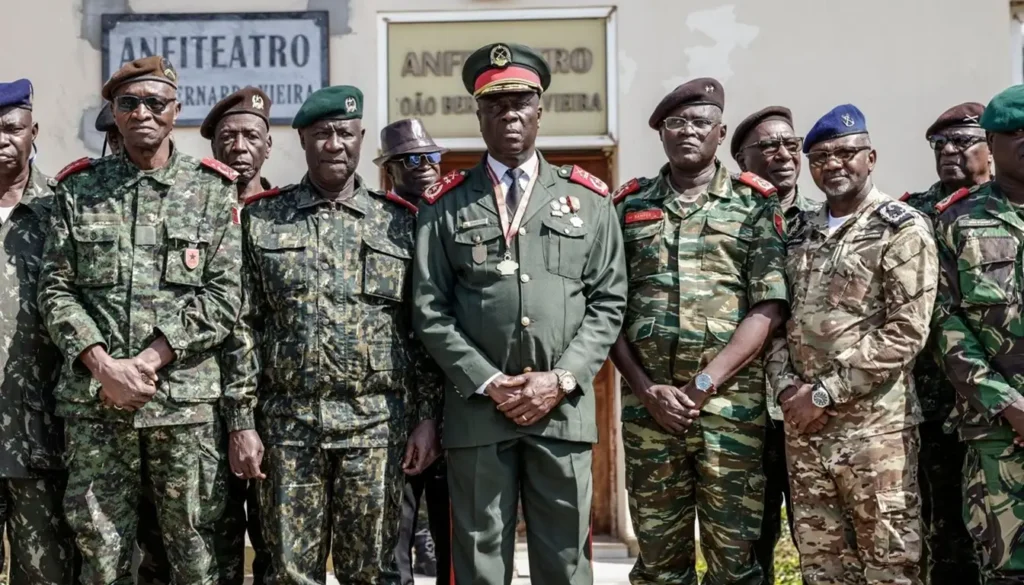
Guinea-Bissau’s voters will have to wait much longer to choose their leaders. The Guinea-Bissau election delay, announced by the country’s military rulers, pushes presidential and parliamentary elections back by two full years. The vote was due on December 6. It will now be held on November 26, 2028.
Why the Junta Says It Needs More Time
In a decree, transitional leader General Horta N’Tam blamed a shortage of technical, material and financial resources. He said these gaps made it impossible to guarantee a credible vote. It is an argument many West Africans have heard before. Transitions that start with a promise of quick elections often stretch on, and each extension makes the original promise feel more distant.
The timing matters too. The announcement came exactly one year after soldiers seized power, ousted President Umaro Sissoco Embalo and suspended the electoral process. For many Bissau-Guineans, that anniversary was meant to bring the country closer to the ballot box. It brought a longer wait instead.
Power Tightens While the Calendar Slips
The delay is not the only change people are watching. The junta has also pushed through constitutional changes that strengthen presidential powers. This happened despite calls from opposition groups for a boycott. So the country faces a longer wait for elections and a stronger presidency at the same time.
Guinea-Bissau knows this pattern well. Since winning independence from Portugal in 1974, the small coastal nation has lived through repeated coups and attempted coups. Each one has chipped away at public trust in institutions. Ordinary citizens, from farmers growing cashews to traders in Bissau’s markets, have seen how political instability can hold back schools, clinics and jobs.
Regional pressure has been building. Senegal had urged the military to ease restrictions as doubts grew over whether the original December date could hold. ECOWAS, the West African bloc, has followed the transition closely. Whether it will accept the new timetable is the key question now.
What Comes Next for West Africa
The Guinea-Bissau election delay is bigger than one country. Across the region, military-led governments have asked for more time, and neighbours are watching how regional bodies respond. A soft response could encourage other leaders to stretch their own timelines. A firm one could test how much influence ECOWAS still has.
For now, the date of November 26, 2028 is the one to remember. Voters, opposition parties and regional partners will be measuring every step against it. If the promised resources and reforms don’t show up in the months ahead, many will ask whether the new deadline is any firmer than the last.
Read More
Zambia Protest Ban Puts Term Limits and Democracy Under the Spotlight
Airtel Tanzania Huawei Partnership: Faster Fibre for Dar es Salaam and Arusha
Libya Frozen Conflict: Why Africa’s Oil Giant Still Cannot Move On
Egypt U-17 World Cup Dream Lives On With 4-1 Win Over Panama
Cameroon Separatist Leader Lucas Cho Ayaba Denies War Crimes in Oslo Court
