
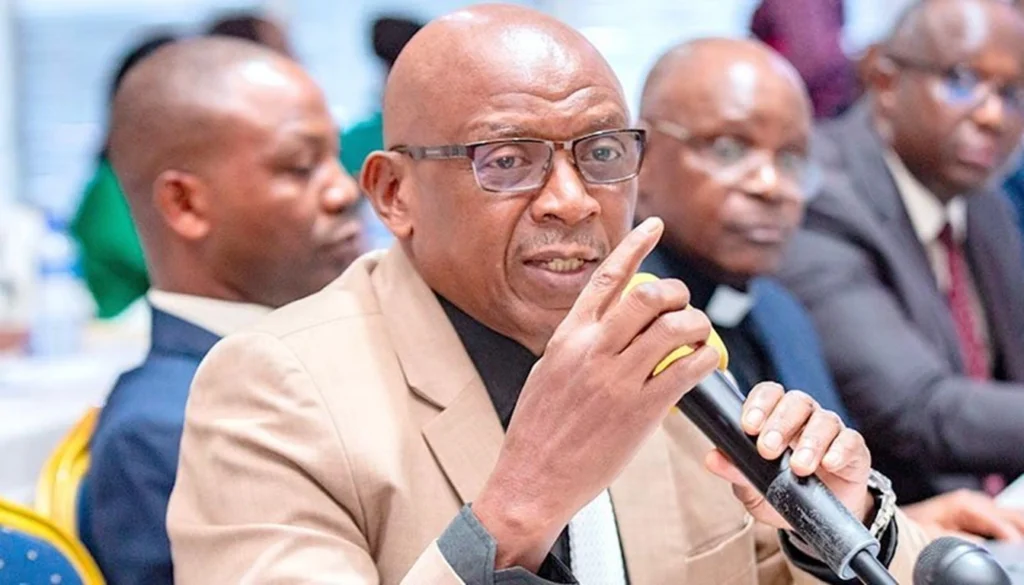
Burundi’s electoral commission has dealt a heavy blow to next year’s vote. It has rejected the candidacy of the Burundi opposition leader Agathon Rwasa, the man many saw as the only serious challenger to the ruling party. The decision came on Friday, and it has already stirred fierce debate across the Great Lakes region.
Why was Rwasa rejected?
The commission says Rwasa made a “false declaration.” In its view, he filed as an independent candidate while still belonging to a political party. Of ten applicants, seven were approved. Those turned away have two days to appeal to the Constitutional Court, and the final list of candidates will be published on December 6.
Rwasa is no newcomer. The former rebel leader, who fought in the country’s civil war, lost to President Evariste Ndayishimiye in 2020. The opposition called that vote an “electoral charade.”
A race already tilted?
Ndayishimiye is running for a second term in the general elections on May 3, flying the flag of the CNDD-FDD, which has held power since 2005. He is widely seen as the favourite. Critics say the field was never level to begin with.
Take the money. The president recently paid a deposit of 100 million Burundian francs, about $33,000, to register. In one of the world’s poorest countries, opposition parties say a fee like that is designed to keep them out. The ruling party also won all 100 seats in the 2025 National Assembly elections, a vote marked by irregularities.
Exiled activist Pacifique Nininahazwe told AFP the ruling was “no surprise.” In his words, it completes a process to eliminate the president’s main rival.
What this means for ordinary Burundians
For many people in Bujumbura and beyond, this story carries a heavy memory. Burundi’s civil war killed around 300,000 people between 1993 and 2005, and politics here has often turned deadly. Last month, the UN Human Rights Council voiced alarm at a growing number of extrajudicial killings and enforced disappearances.
Since taking office in 2020, Ndayishimiye has swung between gestures of opening and crackdowns on opponents, while the country’s powerful generals still loom large. Rwasa’s exclusion tests which of those two faces wins out.
Neighbours are watching closely. From Kampala to Kinshasa, a vote seen as unfair can unsettle a whole region. Whether the Constitutional Court hears Rwasa’s appeal, and what it decides, will say a lot about how open this election will be. Citizens, regional bodies and observers will be waiting for that answer long before ballots are cast in May.
Read More
8 Things About the Billboard U.S. Afrobeat Songs Chart for November 28, 2026
Sandpapergate Reopened: Australia’s Test Cricket Forum Digs Into the Whole 2017-18 Season
Zambia Protest Ban Puts Term Limits and Democracy Under the Spotlight
South African Rand Bounces Back as Precious Metals Stage a Comeback
Pete Edochie, Nollywood’s Unforgettable Voice of Authority, Dies at 79
