
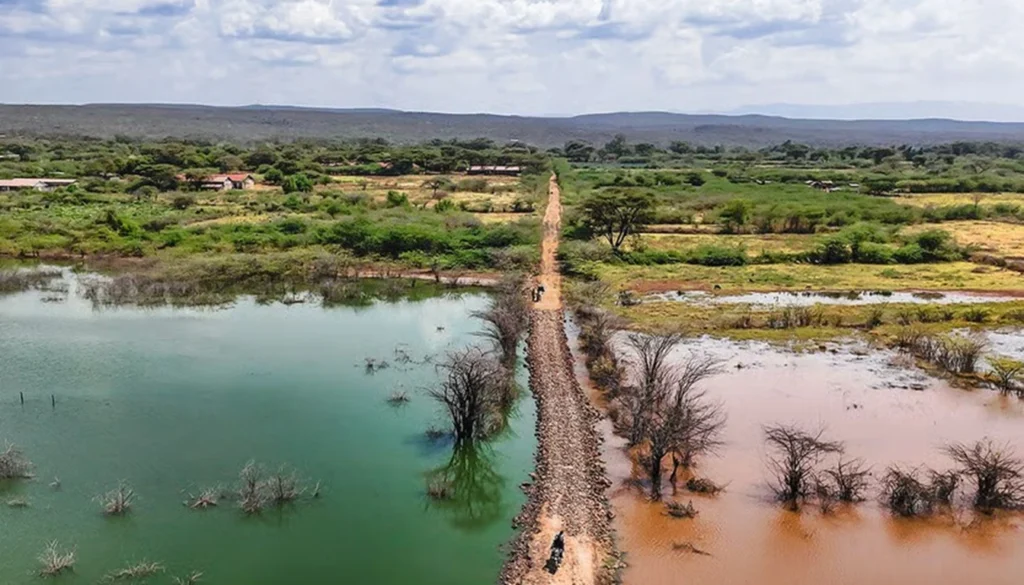
Picture waking up in a city that is slowly lowering itself into the sea. New radar research shows that African cities sinking is not a distant forecast but a measurable fact, and the pace is faster than earlier estimates suggested.
What the satellites found
A team from Virginia Tech used radar images from the European Space Agency’s Sentinel-1 satellites to track land movement beneath 20 coastal cities across Africa. Their study appeared in Science Advances. The ground under Alexandria in Egypt is sinking by about 6mm a year, and under Lagos in Nigeria by about 5mm. Luanda in Angola also showed significant subsidence.
That may sound small. Sinking land, though, sits lower against the ocean, and that makes flooding worse as seas rise. If Alexandria keeps sinking at this rate, relative sea level there could climb 36% more by 2050 than the UN’s climate panel, the IPCC, projected under a middle emissions path. One summary of the study suggests around seven million people and $180 billion in assets could face flooding by 2050.
Why the ground is going down
Nature plays a part, but people do too. Researchers point to groundwater pumping and land reclamation along the coast. Fast-growing cities draw more water, and the soil beneath them compacts. In Alexandria, the study suggests the Aswan Dam may be trapping sediment upstream, so the Nile no longer replenishes the delta land.
Lead author Oluwaseyi Dasho noted that Africa has very few ground monitoring stations. Satellites fill that gap, detecting movement as small as 1mm a year.
What it means for you
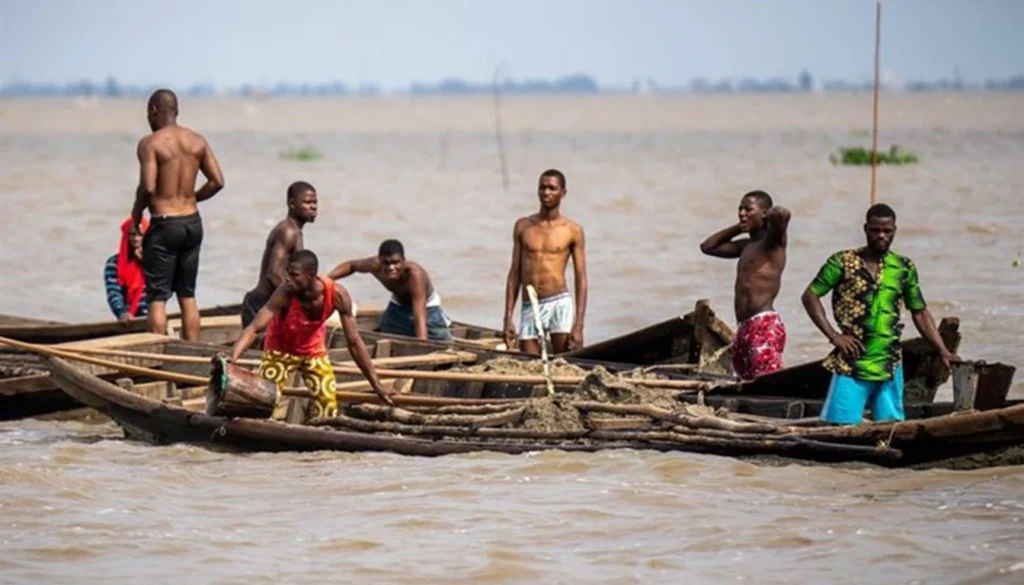
If you live in Lagos, think about Lekki, Victoria Island or the creeks of Makoko, where flooding is already a rainy-season ritual. Planners have been working with maps that understate the danger. Better numbers can change decisions about where to build, how to drain, and how much groundwater to pull from the earth.
Space technology is doing something quite practical here. Cheap, public satellite data lets African governments and universities watch their own cities without waiting for expensive equipment on the ground.
The study cannot explain every cause, and it focuses on 20 cities, not the whole continent. Still, the message is clear: act on accurate data now, before the water does the arguing.
Read More
8 Things About the Billboard U.S. Afrobeat Songs Chart for November 28, 2026
Sandpapergate Reopened: Australia’s Test Cricket Forum Digs Into the Whole 2017-18 Season
Zambia Protest Ban Puts Term Limits and Democracy Under the Spotlight
South African Rand Bounces Back as Precious Metals Stage a Comeback
Pete Edochie, Nollywood’s Unforgettable Voice of Authority, Dies at 79
