
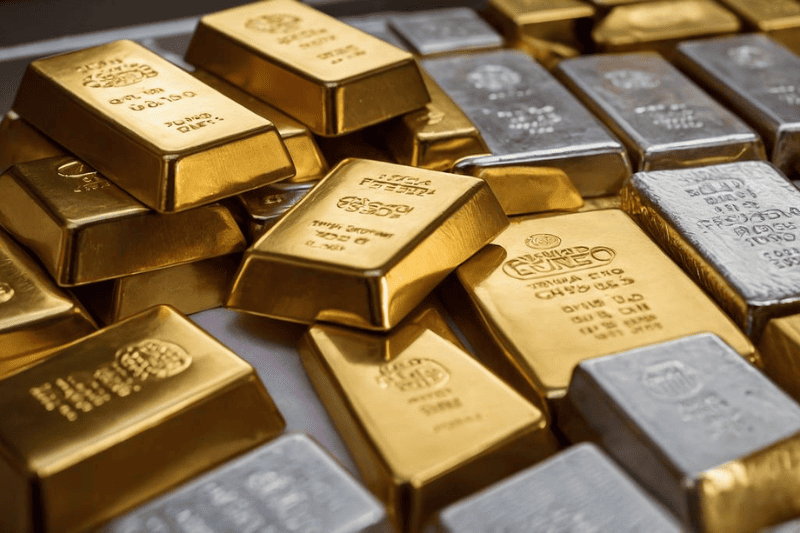
The announcement of sweeping U.S. tariffs in April 2025 marked a turning point in global trade relations, but the aftershocks were not limited to the world’s largest economies. Across Africa, nations reliant on gold as a source of export revenue, foreign reserves, and monetary stability found themselves exposed to a global commodities upheaval that quickly turned into a regional economic challenge.
The new U.S. tariffs, ranging from 10% to 145%, targeted countries with trade imbalances and strategic resource exports. While initially aimed at Asian economies, the ripple effects reached African markets rapidly, as global investors flooded into gold and prices soared above $3,500 per ounce, up from $3,000 just weeks prior.
For Africa, the implications were multi-layered. Exporters like Ghana, South Africa, and Sudan benefitted from higher gold values in international markets, but also contended with price volatility, shipping premiums, and increased scrutiny from trading partners. Meanwhile, gold-importing countries and those with gold-backed currencies, such as Nigeria and Ethiopia, struggled with inflation and strained monetary policies.
Tariffs Spark Global Rally, With African Exporters Caught in the Middle
President Donald Trump’s April 2025 policy overhaul imposed stiff tariffs on a host of goods, from electronics to raw materials. Gold, as both a symbolic and strategic commodity, quickly became a global focal point. Central banks began aggressively acquiring reserves, investors abandoned equities, and the U.S. dollar weakened, perfect conditions for a gold boom.
African nations with large gold exports found themselves in a volatile but opportunistic position. Ghana, the continent’s top gold producer, experienced an export windfall, with shipment values rising by over 9% month-on-month. However, the sudden surge also disrupted mining logistics, raised insurance costs, and exposed weaknesses in infrastructure.
In South Africa, the rally provided much-needed relief for a mining sector long battered by labor disputes and energy challenges. But local inflation began creeping upward as gold prices filtered into broader commodity categories.
Countries like Burkina Faso, Sudan, and Mali, which rely heavily on gold exports to stabilize their budgets, found their treasuries temporarily bolstered, yet also faced mounting pressure to manage resource smuggling and speculative local markets.
In contrast, non-exporting African countries suffered inflationary consequences. Nigeria, with a high dependence on imported refined gold, experienced a spike in domestic jewelry prices and strained foreign reserves. Similarly, Ethiopia, which recently liberalized its gold trade, faced rising domestic prices that outpaced wage growth and threatened urban purchasing power.
Wider Global Inflation and Gold Price Response
The gold rally wasn’t confined to Africa, but the continent’s structural dependency on raw materials and limited monetary flexibility made its economies uniquely vulnerable. Countries with gold-linked currencies or inflation-sensitive central banks had to weigh reserve accumulation against domestic liquidity risks.
Central banks in Ghana, South Africa, and Zimbabwe increased their gold purchases, while simultaneously warning against overreliance on foreign exchange reserves tied to commodity prices.
In contrast, net importers like Morocco and Kenya experienced costlier imports and weakened purchasing power. Jewelry markets slowed as consumers shifted to alternative assets or reduced discretionary spending altogether.
Gold Price Movements in Key African Economies (May–June 2025)
- Ghana: Export value rose 9.2% in May; domestic gold sold at GHS 705/g, up from GHS 658/g in early May.
- South Africa: Local bullion price reached ZAR 1,218/g by June 10, from ZAR 1,142/g in April.
- Sudan: Gold traded at SDG 318,000 per ounce, up from 289,000 in May; smuggling activity reportedly increased.
- Nigeria: Jewelry prices rose 11% by mid-June; domestic gold demand dropped due to affordability issues.
- Ethiopia: Market price hit ETB 4,235/g, up from ETB 3,840 in April, affecting consumer demand.
Keep Reading
Most Affected African Countries by Gold Price Surge (Ranked)
| Rank | Country | Reason for Impact | Gold Price Effect |
| 1 | Ghana | Top exporter, supply chain disruptions, central bank demand | +7.1% domestic gold increase |
| 2 | South Africa | Exporter rebound, inflation pressure, mining stabilization | +6.6% local market increase |
| 3 | Sudan | Export surge with regulatory challenges, informal trade spike | +10% official and black-market rise |
| 4 | Nigeria | Gold importer, FX reserve strain, jewelry market decline | +11% domestic jewelry inflation |
| 5 | Ethiopia | Import-heavy, urban inflation, post-liberalization volatility | +9.4% retail gold increase |
| 6 | Mali | Exporter with limited processing capacity, benefits capped | ~5.5% price growth, smuggling rise |
| 7 | Burkina Faso | Benefitted from surge but with limited downstream control | ~4% rise, reserve accumulation only |
| 8 | Morocco | Importer; retail demand drop, no export advantage | ~3% increase, weakening dirham |
Africa’s Gold-Driven Economies Enter a New Phase of Volatility
Africa’s encounter with the April 2025 gold rally was as diverse as its economies. For producers, Trump’s tariffs created windfall profits, yet accompanied by logistical strain, currency exposure, and policy gaps. For gold-importing nations, the surge compounded inflation, weakened consumer power, and strained reserves already burdened by external debt and global interest rate hikes.
Unlike prior commodity booms, this rally unfolded within a high-risk geopolitical environment, with African countries caught between global financial speculation and domestic instability. While gold has historically offered Africa a buffer against volatility, its sudden revaluation has exposed how fragile that hedge can be in the absence of infrastructure, regulatory oversight, and diversified economies.
As prices remain volatile and trade relations uncertain, African nations must reassess how to manage both the opportunities and risks of a resource-led economy in an increasingly protectionist world.
