
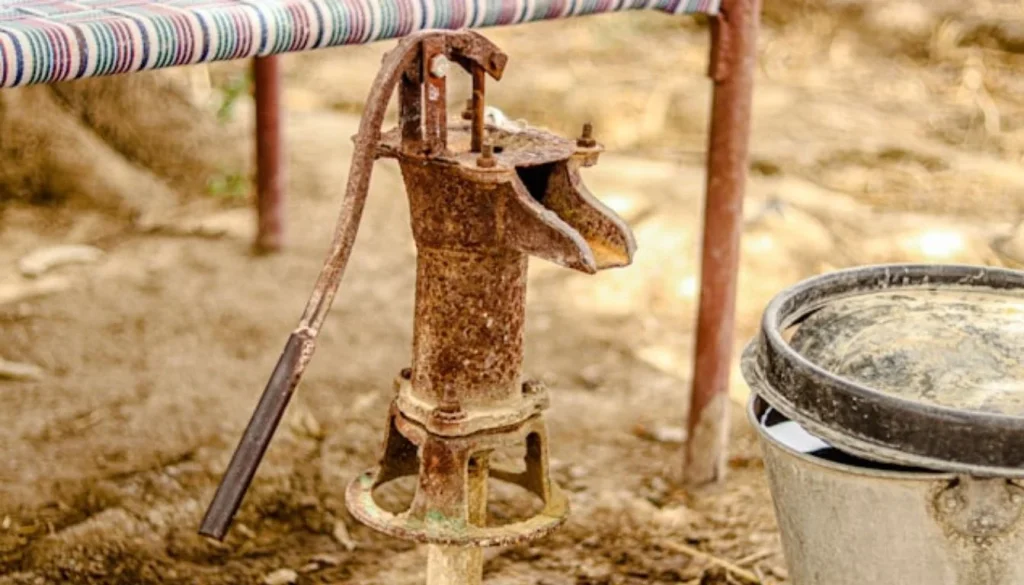
At least 42 people were killed, and others were injured, after ethnic conflicts erupted in the eastern part of Chad. The conflict began with a dispute over a water source but later led to an eruption of clashes in the area. It is reported that villages have been destroyed in the process of this conflict.
How the Conflict Escalated
The conflict chad water conflict ethnic violence reportedly started with two families who had a feud regarding a water source, but soon evolved into a cycle of retribution.
Here are some important points about the conflict escalation:
- Conflict escalated within hours from a local feud to community clashes
- Demolition of houses and the displacement of residents
- Spread of ethnic conflict in multiple villages
The government sent a delegation to the affected regions, and officials announced that the situation had been controlled.
Recurring Episodes of Community Violence
These episodes of violence have recurred in Chad for some time now.
Such recurring tensions include:
- Conflicts between farmers and pastoralists
- Competing ethnic groups
- Competition for dwindling natural resources
Resource-related disagreements often serve as the trigger, particularly in areas where the environment has already taken a hit.
Impact of the Sudan Conflict Escalating Tension Levels
The situation has been further compounded by the conflict in Sudan.
Refugee inflows in eastern parts of the country have:
- Added to the stress on existing resources
- Raised security concerns
- Heightened competition amongst communities
Government officials claim that measures have been taken to protect border regions against being affected by the Sudan conflict.
Explore More Must-Reads
Check top food markets in Africa
Explore vibrant markets offering authentic flavors every traveler should try.
Discover African countries with fastest internet
Check which nations offer top internet speeds and digital connectivity.
Explore best Mara River lodges views
Discover top lodges for witnessing the Great Migration river crossings.
Check hidden natural spots in South Africa
Explore peaceful and lesser-known destinations for a quiet travel experience.
How Climate Change and Resource Shortages Are Involved
Climate change and resource shortages are cited by analysts as key factors behind these recurring violent incidents.
According to Amnesty International, climate change has led to a reduction in the availability of water and agricultural lands, leading to migration and violent disputes.
The International Crisis Group says that between 2021 and 2024, about 1,000 individuals died while another 2,000 were injured in such violent clashes within the country.
Concerns About Security and Accountability
Concerns have been raised by human rights organizations regarding the actions taken by the government in response to these acts.
These include:
- Delay in the action taken by the security forces
- Lack of accountability among perpetrators
- Increasing distrust within affected populations
Experts fear that such shortcomings are exacerbating the spiral of violence.
Conclusion
The most recent violence in Chad is a testament to how rapidly disputes may lead to conflict when underlying structural problems persist.
Whether it be through climate change, poor enforcement measures, or instability in neighboring countries, the event highlights a multitude of factors at play.
Without addressing these structural problems, there will continue to be more instances of violence.
