
Innovative and Nutritional Suhur Food – Hausa Dambu is an example of an innovative food and nutritional source that has continued to receive renewed attention over the past few decades for its suitability and nutritional benefits as a meal for suhur during Ramadan by those who observe it. This innovative dish is made primarily from crushed rice (grits) or steamed rice (usually called grain) and is light on the stomach after consumption but also provides sustained energy to those consuming it while observing the very long fasting hours of Ramadan.
A Nutritious Ramadan-Friendly Meal
As noted by many food nutritionists, a meal for suhur (pre-dawn meal) should be balanced, light, and filling, which Hausa Dambu is. It consists primarily of steamed rice (grits) or stewed (or boiled) with other ingredients such as moringa (zogale), peanuts, onions and mild spices. These components make up a portion of a well-balanced diet; complex carbohydrates from the rice or millet, plus protein from plant sources (moringa and peanuts) and many vitamins also.
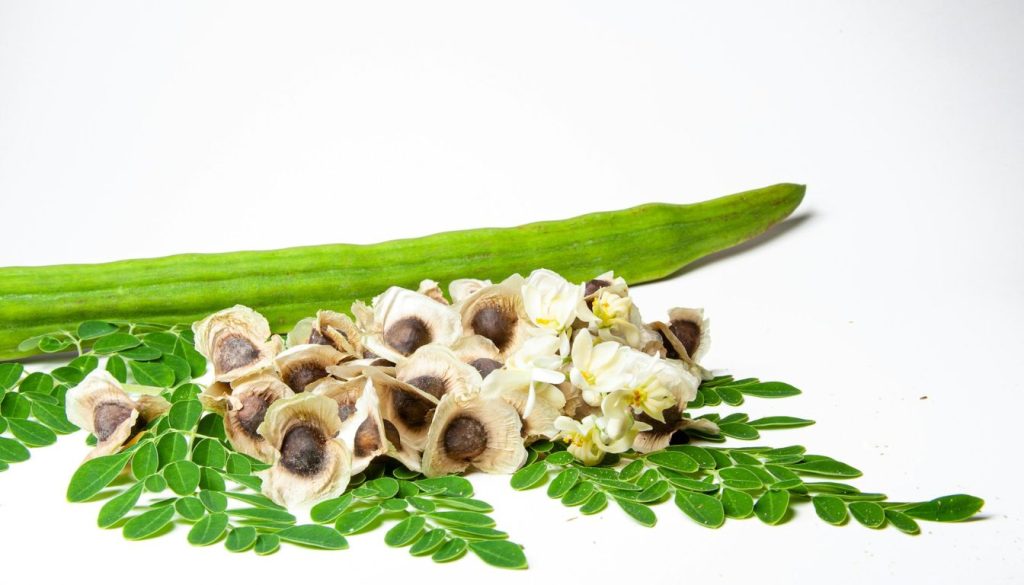
In particular, moringa leaves have high levels of iron and antioxidants and add to the health of the meal. Peanuts add protein and healthy fats to the meal and provide energy to sustain the consumers’ energy during the day. When prepared with a small amount of oil, Hausa Dambu helps with digestion and discomfort while observing the fast.
Ingredients (Serves 4)
- 2–3 cups rice grits (shinkafa) or millet
- 1 cup moringa leaves (zogale), spinach, or cooked greens
- 1 large onion (finely chopped or blended)
- ½ cup crushed peanuts or groundnut paste
- ½ cup vegetable or peanut oil
- Salt, ginger powder (½ tsp), garlic powder (½ tsp), chili peppers (to taste), seasoning cubes
- Optional: cloves and extra ginger for improved digestion
Step-by-Step Preparation
Please wash your rice grits well until the water runs clear. This will help to prevent clumping. If you’re using whole grains, do a quick soak first.
Next, steam for 25-30 minutes over boiling water. Stir them halfway through and add water if they are starting to dry out. You want soft grits but not mushy.
After you have steamed them, lightly mash the grits together. Then add onion, crushed peanuts, greens, spices, blended peppers, and oil. Mix all of this together evenly to achieve a balanced flavour experience. You can also adjust the spices to be less spicy, so you don’t thirst too much on suhur.
The meal may be eaten hot or at room temperature. Several families will eat it with light stew, yoghurt (nono), or fruit for a nutritionally balanced pre-dawn meal.
Health & Suhur Tips
Moderate portion sizes and limiting oil make fasting easier from an ease of digestion perspective. Preparing Dambu ahead of time and reheating it prior to the fast can help save time when cooking early in the morning.
Summary
Hausa Dambu stands out as a wholesome, energy-sustaining dish from northern Nigeria, perfectly suited for suhur during Ramadan. Made from steamed rice grits or millet and enriched with greens and groundnuts, it offers balanced nutrition, easy digestion, and lasting fullness — making it a practical and traditional pre-dawn meal choice.
FAQs
1. What are the benefits of using Hausa Dambu as a suhur meal?
Hausa Dambu contains complex carbohydrates and protein that release their energy (through digestion) more slowly, thus keeping you full for a longer period of time.
2. Can millet be substituted for rice grits?
Yes, when cooked the same way as rice flour or rice grits, millet will work fine and add additional fibre and nutrients.
3. Does Dambu weigh heavy in your stomach?
No. As long as Dambu is prepared with a moderate amount of oil and includes only mild spices, it should be considered light and easy to digest.
