
A hall fills, lights warm the stage, microphones pop once, people shuffle into seats. Reporters see it often. The first line decides the room. This piece examines how to start a speech, with clear steps, lived examples, and fixes that actually work.
Why the Opening of a Speech Matters
Audiences judge fast. The first ten seconds set tone, trust, pace. A shaky start sends eyes to phones. A clear start steadies attention, like a traffic cop at a busy crossing. Simple, strong, human. That’s how we see it anyway.
Openings shape memory. People remember the first thing and the last thing. So the first line must anchor the message, name the purpose, and show confidence. Not swagger, calm. A voice that says, stay with me, this will be useful.
How to Start a Speech Step-by-Step
Step one, know the room. Age, role, what keeps them up at night. A quick phone call to the organiser helps. Even a two-line brief changes everything. Sometimes it’s the small habits that matter.
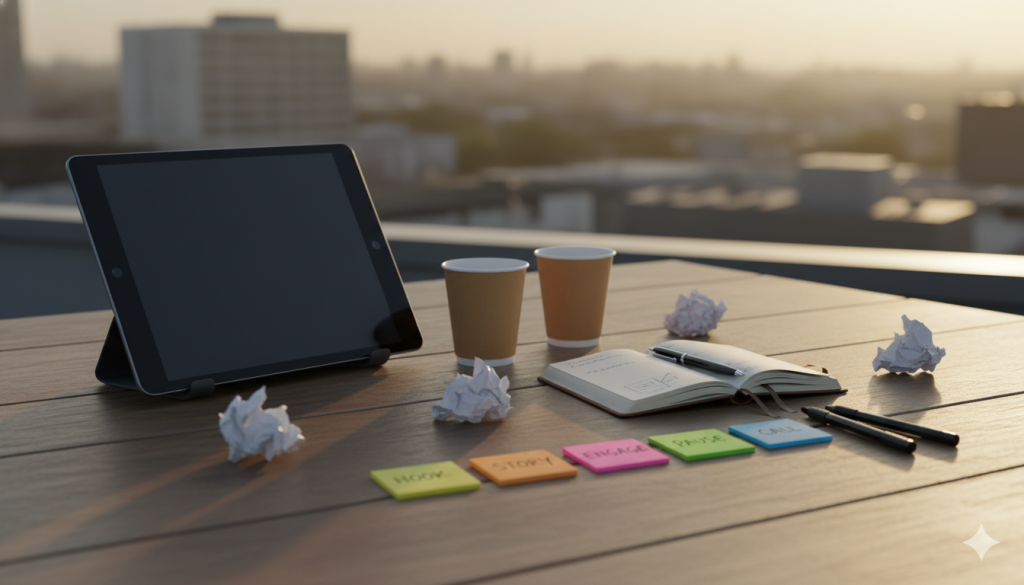
Step two, fix the core message. One sentence. No jargon. Write it on a sticky note and keep it beside the mic. Feels basic, saves speeches.
Step three, pick the opening line. Story, question, stat, or bold claim. Match the culture of the audience. Then rehearse out loud, not in your head.
Step four, map the route. Say the plan in one neat line. People relax when they know what comes next.
Step five, land with presence. Feet planted, chin level, pause for a breath. And yes, silence works. The room leans in.
Best Ways to Start a Speech With Impact
- A short story with human detail. The smell of fresh tar on a new road, the sting of sunscreen at a noon rally.
- A clean question. “How many here wrote a goal this morning?” Hands move, minds wake up.
- A crisp fact. “Three in five teams lose projects due to late feedback.” Done.
- A scene. “Picture a 6 a.m. factory floor, machines just warming, alarms still quiet.” Works.
- A respectful quote, used sparingly, not to borrow weight, but to set context.
How to Start a Speech for Different Occasions
A quick guide that readers keep saving to their gallery. Straightforward, local, practical.
| Occasion | Opening angle | One line to try |
| Corporate townhall | Data plus path | “Two metrics slipped last quarter, and here is the plan to fix both.” |
| College fest | Story plus energy | “In the first year, I failed a paper and learned how to ask better questions.” |
| Policy briefing | Context plus stake | “This rule affects 1.2 lakh workers. Timelines change today.” |
| Award night | Gratitude plus pace | “Teams carried this year. Names you know. Stories you’ll like.” |
| NGO fundraiser | Human outcome | “A classroom that smelled of wet chalk last June now has books.” |
Common Mistakes to Avoid at the Beginning of a Speech
- Long bios at the mic. The emcee already did it. Keep moving. That’s enough.
- Apologies at the top. It shrinks energy. Fix the mic, then start. No fuss.
- Jokes that punch down. Rooms go cold very fast. Better not test it live.
- Slides first, voice later. A screen cannot earn trust. The speaker does.
- Rushed pace. People miss words. Slow by five percent. It feels odd, works fine.
Expert Tips to Strengthen Your Speech Opening
Arrive early, hear the room. AC hum, chair squeaks, echo near the rear wall. Then pick your volume. Strange trick, big payoff.
Write the first 30 seconds verbatim. Memorise that part. After that, speak naturally. A safety rail for nerves.
Carry a backup opener. If the CEO just used your stat, switch lanes. That’s fieldcraft.
Use names. One organiser, one city reference, one local detail. This is not a template, it is today’s room.
Hold eye contact in triangles. Left, right, centre. Not a sweep, a pause. Feels steady.
Examples of Powerful Speech Starters
A CEO at a monsoon review: “At 8.10 a.m., rain tripped our East Zone server. Customers waited six minutes. Today, we fix that gap.” Tight, factual, human impact.
A school principal at assembly: “Hold up your notebooks. Smell the ink. By December, those pages will hold your best ideas.” Kids look. Teachers smile. Simple line, strong picture.
A doctor at a health camp: “The first patient I saw here last year came in shivering, not due to fever, due to fear.” Silence. Then guidance. Clear path forward.
Keep Reading
FAQs on How to Start a Speech
What makes the first ten seconds of a speech so decisive for audience attention and message recall?
Those seconds signal clarity, confidence, and relevance, which sets listening levels for the rest of the talk.
How to start a speech when the audience seems tired or distracted after a long schedule block?
Use a short call-and-response, a show of hands, or a simple stand-stretch cue to reset energy.
Can a speaker open with humour in a formal policy or compliance setting without sounding flippant?
Yes, if the humour is observational, brief, and aimed at process pain, not at people at all.
What length should the opening section take before moving into the core material smoothly?
Keep it to under ninety seconds, then state the plan and transition to the first main point.
How can a beginner remember lines without sounding like the words were memorised too tightly?
Memorise only the opener and the close, keep bullets for the middle, and speak around them.
