
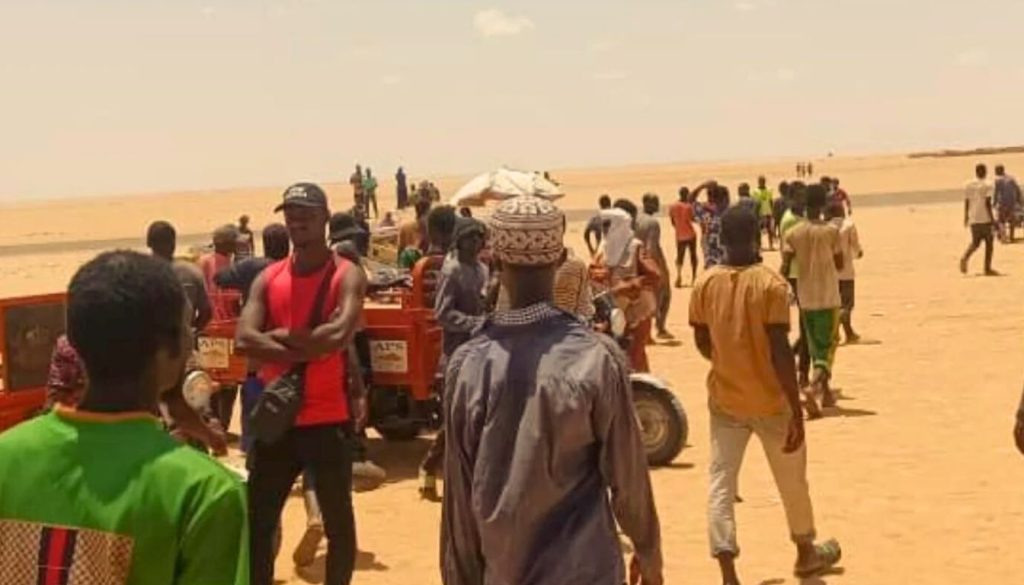
Thousands of migrants deported from Algeria to Assamaka, a remote Niger border village, rely on IOM’s Assisted Voluntary Return (AVR) program to safely go home. However, massive influxes over 34,000 in 2025 alone overwhelm the system, leaving many in limbo amid scorching deserts and scarce aid. IOM offers shelter, food, and transport only to those agreeing to AVR, but not everyone qualifies immediately, stranding up to 3,600 at times.
Overcrowded Camps and Resource Shortfalls
At IOM’s Assamaka Centre, there are about 1,000 to 1,354 individuals occupying spaces inside sheds or on the street. All together, there are thousands of people still trapped in overcrowded conditions because of limited funding and capacity, resulting in slower-than-average rotation times of one month or longer per group. Events such as the coup in Niger in 2023 and sanctions by ECOWAS have disrupted humanitarian assistance through transport suspensions, worsening relative food insecurity.
Bureaucratic Delays Fuel Despair and Protests
Many are still left waiting indefinitely because of the AVR process, which requires that nationality be confirmed from the home country. This creates a situation where protests occur from deportees who experience trauma and are left with no option but to continue to trek for an indefinite period of time or be excluded from the camps. Those who are the most vulnerable, including women, children, and those who are injured, are suffering the greatest from the precarious situations they are in, and many have died as a result of the AVR’s difficulties with deportation.
Geopolitical Tensions Hamper Aid Delivery
5,000 or more migrants stranded in but continued to wait in transit centers due to the effects of the coup in Niger, including ECOWAS sanctions and uncertainty over EU funding, will continue until such time as either the Nigerien government re-establishes order and begins assisting IOM or all states involved with IOM can produce solutions to end the continual protests against police oppression that have produced no response from any state regarding the need for humanitarian corridors due to ongoing evidence of ongoing Algeria expelling many of those migrants. Systemic problems within IOM will not disappear until at least 2026.
Summary
The International Organisation for Migration (IOM) grapples with severe challenges in delivering Assisted Voluntary Return (AVR) programs to deportees stranded at Assamaka, Niger. Overcrowding, limited resources, and humanitarian crises from Algerian deportations complicate reintegration efforts for thousands.
FAQs
1. What is IOM’s AVR program for Assamaka deportees?
IOM’s AVR helps deportees from Assamaka return voluntarily to their home countries with shelter, food, and transport after nationality verification. Only consenting migrants access full aid.
2. Why are so many deportees stranded despite IOM help?
Overcrowding, limited resources (1,000 at a time), slow verifications, and sanctions post-Niger coup delay returns, leaving thousands in desert hardship.
3. How do protests affect IOM’s AVR in Assamaka?
Frustrated deportees protest delays, sometimes walking to Arlit; IOM excludes returnees from camps, drawing criticism for lacking humane alternatives.
