
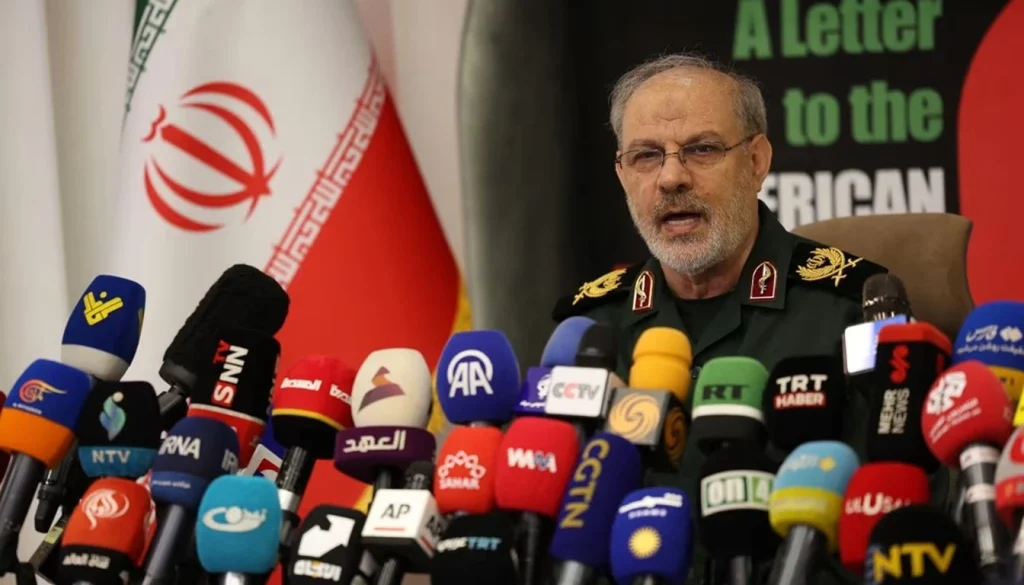
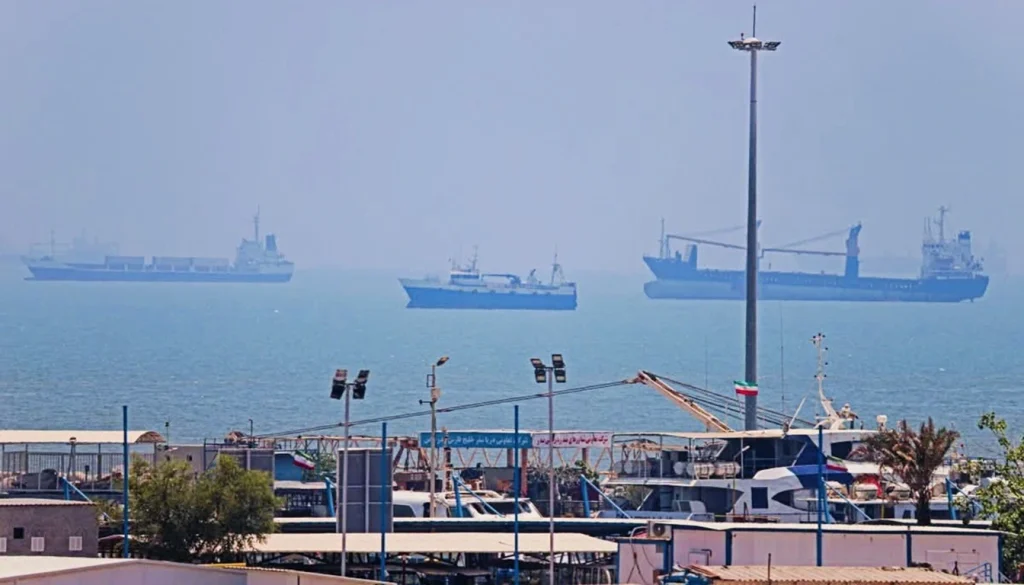
Hopes for a quick end to the Iran war just took a knock. US Secretary of State Marco Rubio says the Iran war peace deal with Tehran is extremely difficult, and that economic pressure will continue until Iran stops targeting commercial shipping in the Strait of Hormuz.
Two Sides, Two Conditions
Iran’s Foreign Minister Abbas Araghchi answered with his own line: the strait stays closed until Washington accepts Tehran’s conditions. He added that indirect talks are continuing through Pakistan and Qatar. In other words, both sides are still talking, but neither is moving.
Why This Reaches Africa
Hormuz may be far from Lagos, Nairobi or Dar es Salaam, but the effects travel. A closed strait raises the risk to oil and shipping, and fuel prices are the quickest way a faraway war lands on an African household. Fuel costs feed into transport fares, food prices and the cost of running a small business. Countries that import refined fuel feel it first. Oil exporters may gain on price, but they still deal with higher costs for imported goods and shipping.
The Waiting Game
Pakistan and Qatar acting as go-betweens shows how delicate the talks are. Neither Washington nor Tehran wants to be seen blinking first. Meanwhile, the attacks on ships continue.
For African governments, the practical questions are about fuel reserves, subsidy budgets and shipping routes, and none has an easy answer. For ordinary people, the hope is simpler: that the negotiators in Islamabad and Doha find a way through before the pump price does more damage.
Watch the shipping reports in the coming days. They will tell you more than the speeches.
Read More
Terror in Tehran: The nation is in shambles
US-Iran Negotiations End Without Any Conclusion – Will Any Breakthrough Happen
Sudan Civil War: Concerns Grow Over Iran’s Influence and Muslim Brotherhood Ideology
Silence Doesn’t Mean Peace: Human Stories from Iran as Protests Dwindle Under Crackdown and Blackout
Iran in Sudan: A Growing Threat to the Red Sea and Global Trade
