
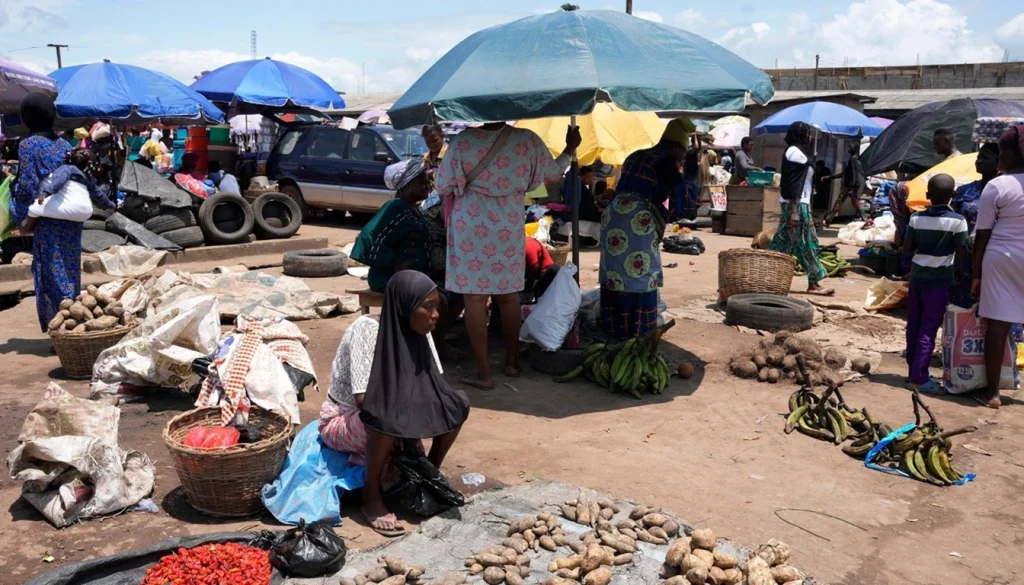
Lagos is Africa’s creative engine, home to Nollywood, music videos and a fast-growing creator scene. But Lagos filmmakers say the city’s streets have become a toll road, where simply switching on a camera can invite a demand for cash.
Threats on Set
Sound recordist Nurudeen Sanni says his crew had barely begun shooting a documentary in Ajah when men surrounded them and demanded 100,000 naira, about $75. A scuffle followed, knives and cutlasses appeared, and one crew member was stabbed in the neck. The people accused are often called agberos, a local term for street touts.
Music video director TG Omori described a 3am shoot in Ikoyi disrupted by a crowd demanding money. Actress and creator KieKie said she was asked for one million naira after filming a short video in Obalende and paid about 700,000 after negotiating.
A Tax on Creativity
Analysts say the problem is built into the business. Nabila Okino of Africa Practice notes that crews are tied to specific locations, so walking away costs time and money, which gives extortionists leverage. Stanley Ikechukwu of SBM Intelligence calls it a “war on camera” and says filmmakers now budget for “settlement” alongside cameras, crew and food.
Journalists feel it too. Camera operator Karina Adobaba-Harry says men demanded payment when her crew covered the Makoko demolition in January. Ikechukwu warns that reporters may start avoiding certain areas, leaving the news to come only from “safe” places.
Image Problem
The damage may reach beyond Nigeria’s borders. A Chinese travel creator recently shared a video describing more than 20 payment checkpoints over roughly 10 kilometres. Analysts warn that productions could simply choose neighbouring countries with easier filming conditions.
Lagos state’s information commissioner, Gbenga Omotosho, insists no one has the right to charge people for filming in public and says such cases will be handled by the police. Many victims, though, say reporting rarely leads anywhere.
Photojournalist Jean-Fidele Ananou used to shoot daily but has stopped, fearing for his safety and equipment. As Ikechukwu puts it, Lagos tells the world to come, while its streets say “Don’t bring your camera.”
Read More
Africa Corporate Debt Markets Are Too Small to Fund the Continent’s Dreams, Says OECD
South Africa ANC Vote Slumps to 32%: What the Municipal Results Mean for Mzansi
Congo Ebola Outbreak Worsens as ADF Militants Raid a Village and Patients Flee
Tanzania Opposition Leader Tundu Lissu Jailed for Four Years: A Dark Day for Democracy?
Kenyan Doomsday Cult Leader Gets 200 Years: Shakahola Finally Gets Its Day of Justice
