
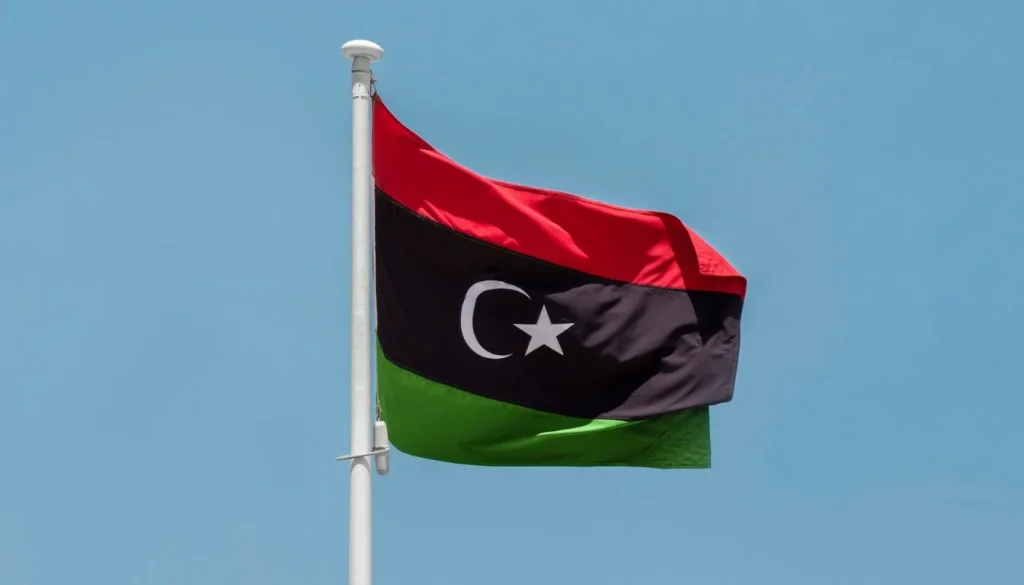
Libya has made an important step Libya unified state budget 2026 toward national unity with its two legislative bodies, the GNC and the HoR, each approving a unified state budget for the first time since the civil war; this approval represents a momentous occasion for cooperation between factions that have been at odds with one another.
This situation was created as a result of many years of divisions being created and maintained through civil war and through the breakdown of governmental institutions.
A Step Toward Financial Security
A press release from the Central Bank of Libya confirmed that both legislative chambers embraced the new budget and that the approval of the unified budget is an essential step in achieving financial/economic stability.
Naji Issa, the central bank’s governor, underscored how the unique accord is representative of Libya’s collective ability to transcend its past differences via collaboration when there exists mutual interest among parties united by a common vision for the nation.
Restoration of Unity to a Divided Nation
Since the Libyan civil war, Libya has experienced political division (primarily in the context of east vs. west) due to the rising legacies of rivalry created by the war and the development of separate government institutions.
Before this unified budget agreement, the last time a unified budget was utilized was in 2013. This represents a watershed moment regarding the quest for nation-building and institutional unity for Libya, as it has now undergone ten years without having had a single, unified budget in place.
Competing Bodies Unite
The pact is a result of collaboration between the House of Representatives, headquartered in the east of the country, and the High Council of State, headquartered in Tripoli, which have always been competing politically with each other.
A delegation from both bodies has agreed to the terms of the deal in Tripoli, where the internationally recognized government sits.
Top picks for you
Explore Sudan Civil War Power Struggle?
Discover how Iran’s influence and conflict are shaping Red Sea security risks.
Discover South Yemen Stability Challenges Today?
Check why Africa needs stability across the Red Sea for regional balance.
Check Sudan Brotherhood Ban Impact Now?
Explore how the ban could reshape Sudan’s security and political future.
Explore US Brotherhood Policy Shift Again?
Discover why the US is reconsidering its stance on the Muslim Brotherhood.
Discover America’s Terror Label Push Why?
Check how the US push could redefine global policies on Islamist groups.
The Role of the Government of National Unity
This agreement has come about within the framework of the Government of National Unity, whose Prime Minister is Abdul Hamid Dbeibah.
Although the unity government has yet to be able to bring about real unification in the country, this might represent a turning point in this regard.
Divided East
However, politics in Libya remain as fragmented as before.
Khalifa Haftar’s loyalists retain control of vast swathes of territory in eastern Libya, particularly those rich in oil.
The Libyan National Army, controlled by Khalifa Haftar, rules supreme over most of the export ports and the major oilfields.
Energy Market Dynamics Lead to Cooperation
The moment when this deal was signed corresponds with Libya’s rising significance within the world’s energy market.
There were many disruptions related to the ongoing problems within the Middle East region, especially concerning the Hormuz Strait.
Transitioning into Formalized Cooperation
Before now, any attempt at stabilizing the Libyan energy market had been made via non-formalized deals among competing parties.
During the energy crisis of 2022 due to the war in Ukraine and Russia, a temporary agreement was signed to continue pumping oil.
This recently signed budget, however, marks a more formalized way of achieving such cooperation.
What the Approved Unified Budget Means for Libya
While many challenges remain, the approval of a unified budget could represent an important turning point in Libya’s political and economic direction.
If this level of cooperation continues, it has the potential to:
- Enhance governance and the ability to use public funds;
- Help establish stability in the energy sector and give it a chance for recovery.
- Provide the impetus for continued political dialogue.
Final Thoughts
The approval of a unified budget in Libya is an important but infrequent occurrence in this divided country. There will always be some type of political disagreements, but with this agreement in place, it is evident that cooperation among national interests is still possible.
In the next few months, Libya will see if this is a new era of stability or just another isolated point in time where the country has found itself together as one.
