
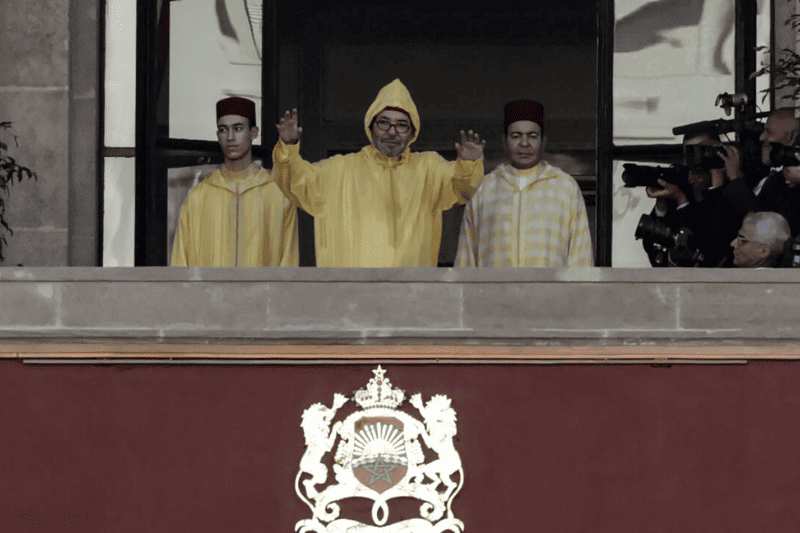
The streets outside Morocco’s Parliament were loud. Drums, whistles, and chants rolled through Rabat’s air as King Mohammed VI arrived to open the new parliamentary session on October 10 2025. Inside, the mood was heavier—lawmakers waiting, eyes fixed on the monarch. Outside, crowds of mostly young Moroccans demanded jobs, fair wages, and dignity.
The timing of his address was no accident. The King’s message centered on restoring public trust, tackling inequality, and urging faster reforms across education, healthcare, and employment.
Background: Youth-Led Unrest
The protests, sparked late September, grew quickly under the banner “Gen Z 212.” Thousands of young people marched through Casablanca, Rabat, and Marrakesh. Most were unemployed graduates tired of waiting for chances that never came. Others came from smaller towns where clinics lack medicine and schools still use broken desks. The movement isn’t political—it’s personal. “We just want a fair shot,” one protester said to a local reporter.
Trigger Events Behind the Protests
Recent events turned frustration into action:
- Eight women died in childbirth at a hospital in Agadir.
- Prices of food and rent jumped while youth wages stayed flat.
- Mega-projects linked to the 2030 World Cup drew anger over spending priorities.
- Rural areas still lag behind in roads, clinics, and basic services.
The protests spread city by city, held together by social media calls and late-night coordination on Discord.
The King’s Address: Main Themes
King Mohammed VI opened by acknowledging Parliament’s work but wasted little time before urging urgency. This, he reminded them, was the final legislative year of their term. Every pending reform must move—laws, budgets, and public programs that touch citizens’ lives. His voice carried a warning: people are losing patience with speeches that don’t change anything.
He focused on harmony between national projects and daily life. Morocco’s big ambitions, he said, must align with people’s realities. Roads, ports, and stadiums mean little if schools still leak or hospitals run short on doctors. He pressed for coordination among ministries and for policies that actually reach rural families. Each word seemed aimed at officials known for delays.
Reactions from the Streets
In cafés and markets, televisions replayed the speech. Some nodded approvingly, calling it “a needed push.” Others scoffed, saying they had heard promises before. A few student groups announced a pause in protests to “see if something real follows.” By night, the squares were calmer but far from quiet. The smell of street food mixed with chants still drifting from side alleys. Hope was cautious—thin but present.
Analysts’ Take
- Political commentators said the King’s speech publicly pressed the government to prove competence before elections.
- Economists viewed it as a signal to redirect resources toward health and youth jobs.
- Sociologists described the moment as a test of Morocco’s social contract—authority meets awakening youth.
- Regional analysts called the tone deliberate: reform without confrontation.
Parliamentary Appreciation and Diplomacy
The King thanked lawmakers for representing Morocco abroad through parliamentary diplomacy. He encouraged stronger coordination with official embassies, stressing that external reputation depends on internal credibility. That part drew polite applause but little noise outside. Many in the crowd wanted fewer handshakes abroad and more functioning hospitals at home.
Shared Responsibility and Public Awareness
He urged leaders to inform citizens clearly about laws and programs that shape daily rights. This, he said, is not charity but duty. Every public institution—from ministries to local councils—must communicate directly. For too long, decisions arrived late or were hidden behind technical language. He called it a culture that isolates citizens instead of serving them.
Mindset Shift and Local Development
The King demanded a shift toward results on the ground. Projects must be tracked, measured, and delivered—no more paperwork that ends in drawers. He spoke about youth employment, education, and healthcare as urgent fronts. Field data and digital tools should guide spending. He mentioned small towns, saying their progress mirrors the nation’s. Development, he noted, means little if rural homes stay dark at night.
Attention to Fragile and Coastal Areas
Mountains, oases, and coasts each got attention. He called for tailored plans using local resources and protecting fragile ecosystems. On the coast, he emphasized maritime jobs that respect environmental limits. In mountain regions, better roads and schools could stop migration toward cities. It was practical talk—less poetry, more checklist.
Keep Reading
Efficiency and National Unity
Efficiency anchored the final section. The King criticized waste in time, effort, and funds. Every dirham must work, he said, every policy must show proof. He quoted the Quran about accountability, reminding leaders their responsibility is moral as much as political. He ended by urging cooperation between government and opposition—integrity first, ambition second.
Regional and International Context
Morocco’s moment fits into a wider picture. Across continents, young people demand fairer systems. Yet Morocco’s case is watched more closely because the monarchy still commands broad respect. International partners, from Europe to Africa, are watching how quickly Rabat translates words into action.
For now, the King’s speech has cooled tensions, but expectations remain sharp. In the streets, the chants may quiet for a while, but the message lingers: patience is thin, and promises now carry an expiry date.
