
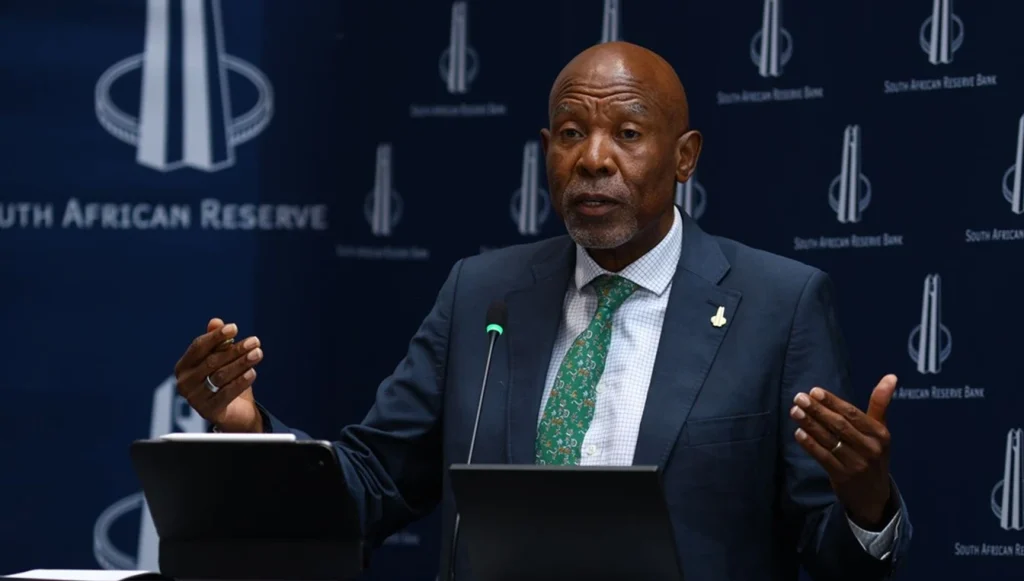
Few phrases make economists sit up like “second-round effects.” Tuesday’s South Africa second-round inflation risks central bank warning was unusually direct about what could come next. The South African Reserve Bank said the danger of broader price pressure is rising as the oil shock drags on and new shocks appear.
What “Second-Round” Actually Means by the Bank
A first-round effect is the immediate jump: petrol costs more, so transport costs more. The second round begins when that jump spreads. Workers push for higher pay to keep up, businesses raise prices to cover wage bills, and people start treating inflation as normal. Once expectations settle in, they are hard to dislodge. The bank said persistent fuel, food and administered price shocks could become embedded in wages and expectations.
The Numbers Behind the Warning
Headline inflation was 4.4% in August, above the bank’s 3% target. South Africa is a net fuel importer, which leaves it exposed to expensive oil, and El Niño now clouds the outlook for food. The Monetary Policy Committee raised rates by a cumulative 50 basis points, or half a percentage point, between April and October, with the last increase in September. The bank expects inflation to return to 3% only in the fourth quarter of 2027. It says it will act decisively to stop a temporary rise from becoming entrenched, and it expects real rates to stay restrictive until they move toward neutral from the second half of 2028.
What It Means for Your Wallet
Higher interest rates make home loans, vehicle finance and credit cards costlier. That pinches households already coping with dearer fuel and food. The bank’s argument is that a short sting now beats years of entrenched inflation. Unions, employers and government wage negotiators will watch closely, because pay settlements are where second-round effects either take hold or fade.
The bank’s final rate-setting meeting of the year is in mid-November. Until then, South Africans can expect the same mix: firm fuel prices, cautious central bankers and a long road back to 3%. Neighbouring economies tied to Johannesburg through trade and currency should read the signal too, since what happens to the rand and to South African demand rarely stays inside its borders.
Continue Reading
Kganyago on South Africa Economy Challenges and Opportunities in a Fragile World
South Africa’s Inflation Holds Steady as Central Bank Decision Looms
