
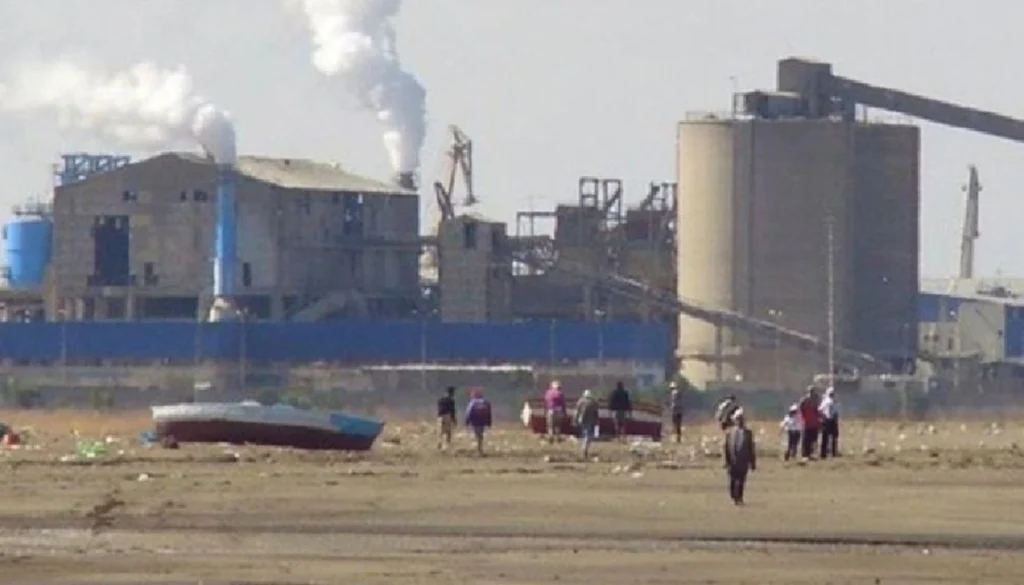
A Tunisian court has sentenced ten people for protesting against the pollution hanging over their own city. The case of these Tunisia environmental activists has become a test of how far citizens can go in demanding clean air, not only in North Africa but across a continent where industry and communities often share the same fence line. Eight received six-month suspended prison terms, while two were handed one-year jail sentences, according to defence lawyer Hamida Chaieb.
A protest that refused to fade
The Gabes environmental protests date back to 2020, when residents took to the streets over pollution and health worries they link to a major phosphate-processing plant in the southern coastal city. The case was brought by the state-owned factory, which accused the protesters of obstructing its operations.
The timeline makes the story harder to swallow. Campaigners say they believed the matter had been dropped after their first arrests and release. They later discovered they had been sentenced in absentia in 2023, which triggered a retrial. Imagine thinking a chapter was closed, only to learn years later that a court had written its own ending without you.
Health fears behind the verdict
Behind the courtroom drama sits a worry familiar to many Africans who live near mines, refineries and factories. Researchers have reported that some of the plant’s industrial waste and emissions contain radioactive substances and may pose serious health risks. In February, a court rejected calls to suspend the facility’s operations, so the plant keeps running while the Tunisia pollution protests keep asking whether it should.
For families in Gabes, this is not an abstract policy debate. It is about the air they breathe every single day.
Phosphate, jobs and the price of progress
The government has priorities of its own. Tunisia plans to increase phosphate production more than fourfold by 2030, as President Kais Saied seeks to revive a sector considered vital to the national economy. That ambition mirrors a wider African dilemma: how do you turn natural resources into jobs and revenue without sacrificing the health of the people living on top of them?
For campaigners, the verdict, and the wider pattern of Tunisia activist arrests and prosecutions, raises uncomfortable questions about environmental rights and about what happens to those who speak up. Supporters of expansion point to the economy. Critics point to the people of Gabes.
Most of the sentences are suspended, but the message lingers. As Africa chases industrial growth, one simple question keeps returning from Gabes: who gets to decide what a community must breathe?
Read More
African Energy Week Protests Put Oil and Gas Under the Spotlight in Cape Town
Africa’s Climate Crisis Is Becoming a Food Security Crisis
Leaked Files Highlight Environmental Neglect in Niger Delta Oil Spill Cleanup
Somali President Attends UNEA-6: Commitment to Global Environmental Resilience
Mauritius announces environmental emergency as grounded ship leaks large amounts of oil
