
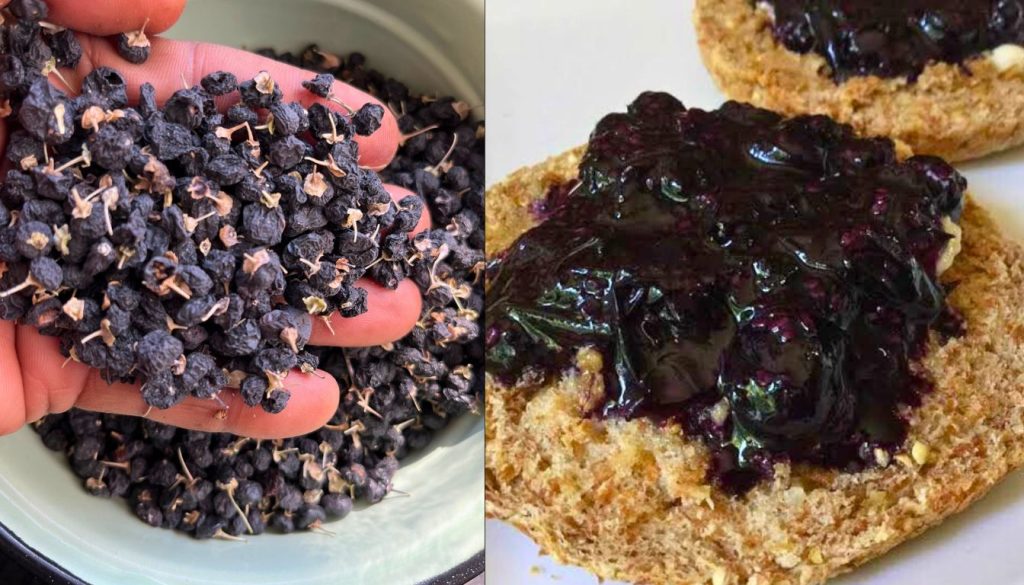
South Africa is home to many unique indigenous flavours, and one hidden gem is umsobo preserve. Loved for its sweet-tangy taste and rich heritage, this traditional delicacy captures the essence of local wild fruit. If you’re curious about what makes it special and where to find it, here’s everything you need to know.
What Is Umsobo Preserve?
Umsobo preserve is made from the fruit of the African medlar tree, scientifically known as Vangueria infausta. The fruit, often called wild medlar or African medlar, grows naturally in parts of Southern Africa.
When ripe, umsobo fruit has a sweet, slightly tart flavour. Locals traditionally cook the pulp with sugar to create a thick, golden preserve. The result is a rich spread with a fruity aroma and smooth texture, perfect for bread, pastries, or even as a glaze for meats.
Taste and Cultural Significance
Umsobo preserve is more than just jam—it carries cultural value. For generations, rural communities have harvested the wild fruit and turned it into preserves as a way of reducing waste and celebrating seasonal abundance.
Its flavour is often described as a blend of apricot and apple with a citrus twist. Because the fruit is foraged from the wild, each batch can vary slightly in taste, making it truly special.
Where to Source Umsobo Preserve in South Africa
You can find umsobo preserve at local farmers’ markets, rural community stalls, and speciality African food stores. In cities like Durban and Johannesburg, artisanal food markets sometimes stock homemade versions.
For authentic quality, look for small-batch producers who source fruit ethically from wild trees. Some online South African speciality stores also offer nationwide delivery.
Frequently Asked Questions
1. Is Umsobo preserve the same as regular jam?
Not exactly. It’s made from wild African medlar fruit, giving it a distinct regional flavour.
2. Is umsobo fruit cultivated or wild?
It is mostly wild-harvested from indigenous trees.
3. How should Umsobo be preserved?
Keep it sealed in a cool, dry place. Refrigerate after opening.
