
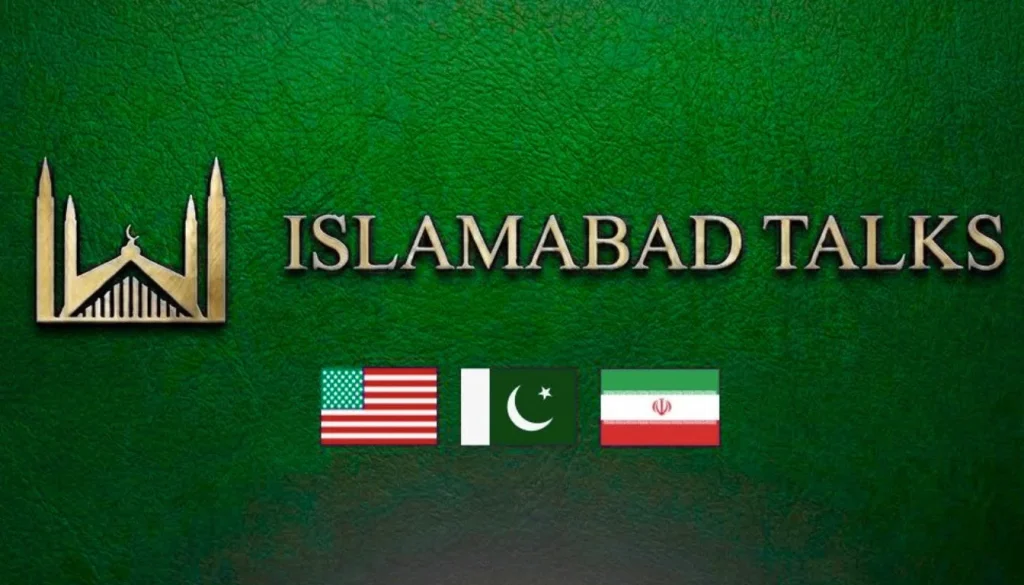
Negotiations have been called off by the representatives of two countries, the USA and Iran, following high-level talks which lasted almost 21 hours and failed to bring an agreement between US Iran negotiations failure the long-standing opponents.
These talks in Islamabad represent the most serious level of dialogue between Iran and America, the USA delegation being led by JD Vance.
The US Blames Iran for the Failure of Talks
As Mr. Vance explained to journalists, Iran refuses to meet Washington’s conditions.
In his statements to the media, JD Vance emphasized that the United States wants assurances from Iran that it will neither try to acquire nuclear arms nor gain the technologies necessary for making them.
Mr. Vance called the failure of negotiations “bad news” for Iran.
3 REASONS THE NEGOTIATIONS FAILED
— Iran Army Media (@IranArmyMedia) April 12, 2026
✅ LEBANON (Israel wants to continue bombing)
✅ Strait of Hormuz (U.S want control)
✅ Nuclear Enrichment (They want Iran to have zero)
Nuclear Dispute is the Main Reason
Iran and the United States remain in a deadlock over the key issue of Iran’s nuclear program. This is an area in which Iran and the United States have been at odds for many years.
The U.S. is demanding certain new and tougher assurances than those that have existed under previous agreements. On the other hand, Iran maintains that it must retain certain rights regarding the development of nuclear energy for civilian and medical purposes.
This is similar to what happened in past negotiations regarding the Iran Nuclear Deal struck during the Obama presidency and then abandoned by Trump in 2018.
Strait of Hormuz Builds Up Tension
Another major issue contributing to this deadlock is the control of the Strait of Hormuz, which is a vital conduit of energy supplies for much of the world.
As the region has become increasingly unstable, Iran’s authority within the Strait has grown significantly because nearly 20% of all oil and gas produced globally passes through the waterway.
Disruptions to this infrastructure will lead to continuing instability throughout the energy markets.
The Discussion Might Continue from Iran’s End
Iranian officials have indicated their hope that the conversation might continue despite the absence of an agreement at the present time.
For example, Esmaeil Baghaei has stated that it would be unrealistic to expect an agreement on the first round of negotiations, and other negotiations may need to happen.
In addition, Mohammad Bagher Ghalibaf has stated that while Iran made “forward-looking” proposals, there is no assurance that the U.S. will follow through.
Distrust in Each Other’s Intentions
Many analysts have noted that the major obstacle to reaching an agreement is trust between the two parties involved. The history of failed deals and disagreements makes it hard for the two sides to believe that their counterparts are trustworthy.
Distrust is often considered a major problem in terms of resolving the existing situation despite all diplomatic attempts to solve the problem. Even the general public in Iran doubts whether the current talks will be successful.
Conflict Within the Region
The negotiations take place amid the conflict between Israel and Iran. Israeli Prime Minister Netanyahu stated that operations aimed at attacking organizations such as Hezbollah operating in Lebanon would continue.
Pakistan Asks Both Sides to Maintain Ceasefire
Both sides are being asked to observe the current ceasefire and continue talking to each other. Pakistan, where the negotiations took place, calls on Washington and Tehran to keep the ceasefire regime and negotiate in order to achieve long-term results.
International Implications of the Stalemate
These disputes have repercussions well beyond the Middle East.
Indeed, the current state of affairs has seen:
- An impact on global energy logistics
- A rise in oil prices
- Geopolitical risks are being heightened
With key shipping corridors in play, the market will always be keenly aware of any development within the realm of US-Iranian relations.
Moving Forward
Even though this last effort at negotiations proved to be fruitless, there is a willingness on both sides to keep talking things out.
Some of the critical issues to watch include:
- Nuclear-related issues
- Regional security concerns
- Building mutual trust
Final Thoughts
The recent talks that failed to bring any results between the United States and Iran are a clear indication of how difficult a task it can be to negotiate peace. Although there is some possibility of further discussion, there remain significant barriers to a resolution.
At present, all eyes are on these two countries and their next move.
Discover More Insights
Why South Africa Faces Record Joblessness?
Explore how South Africa’s unemployment crisis is hitting record highs and what it means for the country’s economic future.
Why Ghana Youth Reject Free Rice?
Discover why Ghana’s youth are rejecting aid and demanding sustainable job opportunities instead.
Which Freelancing Platforms Work Best Africa?
Check the top freelancing platforms offering real income opportunities for Africans in 2026.
Why Africa’s Middle Class Still Struggles?
Explore how economic growth is failing to deliver stability for Africa’s expanding middle class.
How Nigerians Can Earn Dollars Online?
Discover practical ways Nigerians are earning in dollars and boosting their income in today’s digital economy.
