
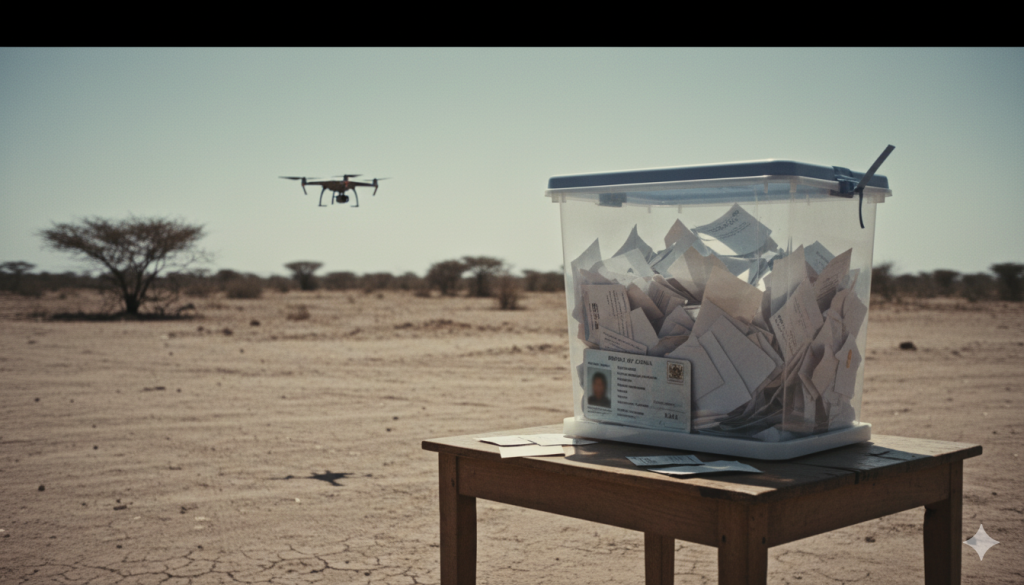
Africa will be entering 2025 facing a crucial political crossroads. The continent, in general, has been witnessing the shaking of democratic stability with the powerful combination of military takeovers, unstable elections, and public protests. Even though many countries are still holding on to democratic values, the ground reality has shown how political systems can be very susceptible to the impact of economic crises, insecurity, and bad governance.
The Return of Coups
New military coups have become a major concern that is affecting 2025. In these African countries, the armed forces have taken over the power and announced that they will be in charge because of corruption, the insecure situation, or failed leadership. The takeovers, such as these, are welcomed with different opinionspeople are mostly tired of the civilian governments and thus are sometimes glad for the military to intervene, albeit for a limited time. Nevertheless, the past always repeats itself, and the record of coups is that they hardly ever ensure long-term peace and delay rather than accelerate democratic change.
Elections Under Intense Pressure
Elections are an integral part of democracy. In 2025, many African elections are facing a lot of challenges that put them under severe pressure. Voter registries being disputed, allegations of vote rigging, and weak electoral bodies are at the forefront of such difficulty in determining the polls’ credibility. Moreover, in some nations, opposition leaders are being restricted, the media is not free, and the trust in electoral commissions is very low. Even in places where elections are held peacefully, the post-election period is usually tense because of the political divisions coming from those areas that challenge the unity of a country.
Protests Reflect Public Frustration
Street demonstrations have exploded as the primary mode of expression for citizen anger across Africa. Rising living costs, youth unemployment, and perceived injustices have been the main drivers of the young people and civil society groups who have been mobilising to change the situation. Protests, as the highest form of democratic participation, have been met by heavy-handed responses by authorities and clashes between the two sides, which the latter risk escalating violence and shrinking civic space. Governments’ challenge in 2025 is, therefore, not to use force but to listen and reform.
Economic and Security Challenges
Democracy in Africa is intricately linked with economics and security. Besides inflation and debt, climate-related crises and conflicts are factors that make life difficult for governments. People’s struggle for survival and the feeling of insecurity weaken their trust in democratic systems. At the same time, the rise of extremist violence and border instability, among other things, gives more and more control over politics to the militaries.
A Path Forward for African Democracy
In 2025, the calendar is turned not only to a year of crises but also to a year of opportunities. The pillars of democracy, such as the rule of law, independent courts from the executive power, the freedom of the press, and the unrestrained existence of civil society, are still the main factors of democratic resilience. Besides them, democracy promoters, such as regional and international organisations that send in election observers and facilitate elections, also have a role to play.
Keep Reading
With the increase of coups, contested elections, and protests, 2025 was a challenging year for democracy in Africa. However, the citizens’ resolve to demand accountability indicates that democratic aspirations are still alive. The next few months will be a reflection of whether the continent will be moving to a resurgent democratic strength or to a deeper level of political uncertainty.
