
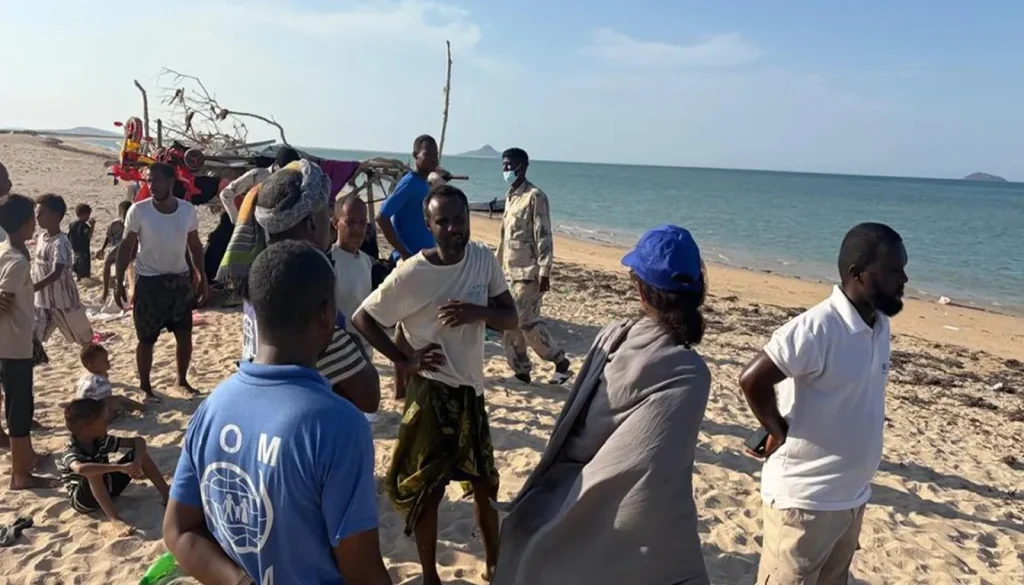
Escalating violence in Yemen’s western region has forced over 112,000 people to become displaced in just two weeks and made almost 3,000 others leave for Djibouti across the Gulf of Aden, according to the United Nations and the International Organization for Migration (IOM). In this rapidly unfolding situation, Djibouti is now bracing itself for as many as 10,000 refugees.
This happens amid the ongoing fighting between Iranian-backed Houthis and the troops that back Saudi Arabia and Yemen’s internationally recognized government. The situation has created yet another humanitarian catastrophe in a nation struggling with years of violence and economic troubles.
Why are there so many Yemeni refugees?
The latest wave of displacement is associated with a fast Houthi offensive along Yemen’s west coast, which includes the capture of the port city of Mocha as well as the advance towards Bab el-Mandeb Strait, according to Reuters. In response, the Saudi and Yemeni government forces carried out air strikes against Houthi positions.
IOM’s Displacement Tracking Matrix estimates that the number of cumulatively displaced has increased to 112,818 by September 16, with the highest number of displaced registered in Taiz and Lahj provinces. Its subsequent update mentions another 114,498 displaced from September 1 to 17.
Most people flee with only small amounts or even without their possessions. Reuters reports cases of people fleeing bombing attacks, arriving at displacement sites without food, water, beds, and livestock.
Why are Yemeni refugees leaving for Djibouti?
There is also a flow of refugees who are forced to leave because of the hostilities through the Gulf of Aden. As UNHCR notes, nearly 3,000 people have crossed to Djibouti by sea in just a few days.
Djibouti is a relatively small nation that already has stretched humanitarian capacities. UN said that it was prepared for 10,000 additional people, whereas the country currently harbors approximately 36,000 refugees, primarily from Somalia and Ethiopia.
What is Djibouti doing?
Government authorities and humanitarian organizations are transporting newly arrived refugees from the coast to the Markazi refugee camp in Obock, where they will be able to receive registration, accommodation, food, water, transportation, and health care.
According to IOM, it provided refugees with meals, drinking water, and emergency assistance in cooperation with government authorities, UNHCR, and other humanitarian organizations. However, it was noted that the pace of arrival exceeds the capability of local organizations to accommodate.
The pressure can be felt even beyond Djibouti’s borders. Increased numbers of arrivals were observed in Somaliland and Puntland regions, which included Yemenis and refugees from Somalia returning from Yemen.
What Does the Crisis Mean for the Region?
The ongoing conflict is causing Yemen’s prolonged humanitarian crisis to turn into a regional displacement crisis. The Bab el-Mandeb Strait is one of the major strategic water passages in the world, and the presence of conflict in the area adds yet another element of danger to an already troubled Red Sea region.
The problems civilians face, however, are much simpler in nature: they need to find a way to safely cross the border, a place to stay, food, water, medical assistance, and other necessities.
Conclusion
In all, over 112,000 people have been internally displaced because of the ongoing conflict in Yemen, with close to 3,000 fleeing across to Djibouti. With Djibouti expecting to receive another 10,000 displaced Yemenis, the crisis is becoming increasingly international in scope. Humanitarian organizations warn that more resources would be necessary to avoid overwhelming the country’s strained infrastructure.
Red Sea Crisis: How Is Africa Being Affected?
Which African Nations Face Fuel Hikes?
Check out how Red Sea and Hormuz disruptions could raise fuel costs.
Which African Ports Benefit From Disruptions?
Find out which ports are gaining from the ongoing shipping crisis.
How Is Diverted Trade Helping African Ports?
Uncover how redirected maritime trade is benefiting key African ports.
How Are Disruptions Reshaping East African Trade?
Explore the impact of Red Sea disruptions on regional trade.
Why Does Sudan’s Designation Matter Now?
Dive into why Sudan’s Muslim Brotherhood designation could affect Red Sea security.
