
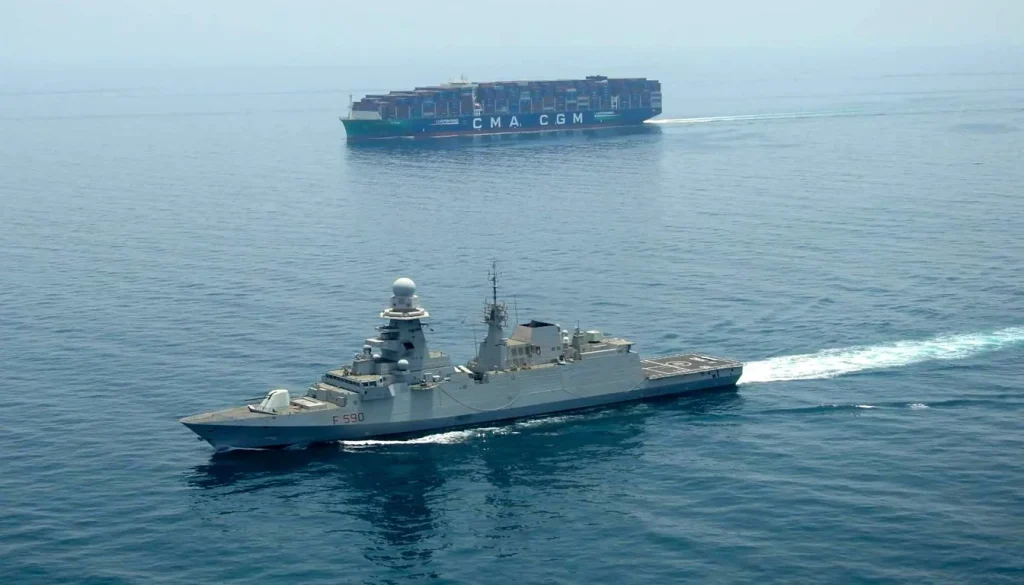
In 2026, the persisting Red Sea shipping crisis continues to affect international maritime trade since shipping companies prefer to avoid the Suez Canal and Bab al-Mandab Strait due to persistent security threats. As such, shipping vessels sail through the Cape of Good Hope near South Africa, thus adding thousands of nautical miles and days of sailing to their route when moving between Asia and Europe.
Although the crisis has contributed to increased shipping prices on a global scale, it has generated new opportunities for some African ports. The increased vessel traffic, need for bunkering services, cargo transshipment, and logistics activities have contributed to the increased activity in those ports positioned along the new route.
Some ports in Kenya, South Africa, Morocco, and Namibia are among those that benefit from the changed situation.
Increasing the Role of Mombasa as a Trading Center of East Africa
The Port of Mombasa has become one of the biggest winners because of the changing shipping routes.
Being one of the most active ports of East Africa, Mombasa has become a place where cargo from large ships can be redistributed with the help of smaller feeders destined for regional locations. The port is playing an even more crucial role in delivering goods not only to countries of Eastern and Southern Africa but also to the Indian Ocean islands.
The development of maritime traffic strengthens the role of Mombasa as an important logistics gateway of the region and allows Kenya to pursue its aims to become a major transport center under the Northern Corridor.
Rapid Development of the Port of Lamu
Another port of Kenya, which is called Lamu, is also developing rapidly due to shipping disturbances.
Being designed for large ships in contrast to traditional ports, the Port of Lamu has recorded huge increases in cargo amounts. According to some data, cargo amounts were growing up to 974% compared to previous periods.
Modernization of the port and its geographic position are becoming ever more appealing to shipping firms that are looking for alternatives to crowded shipping lanes.
Further investments in road and rail links will ensure that Lamu continues to play an important role in the logistics operations of East Africa.
Durban Experiences More Vessel Traffic
Further down the coast, the Port of Durban has witnessed increasing interest from ships making a journey via the Cape of Good Hope.
Numerous vessels are docking in Durban for fueling, maintenance, crew changeovers, and other necessary supplies before continuing on their journey from Asia, Europe, and America.
With the increase in maritime activities, there have been more chances for logistics firms, port authorities, and other business entities.
Durban Container Terminal happens to be the most efficient port in the entire continent of Africa and has enough capacity to handle further shipping activities.
The increase in shipping has made South Africa very significant in global supply chains.
Tanger Med Remains a Mediterranean Hub
While some ports in the eastern Mediterranean have registered decreased cargo volumes, Tanger Med in Morocco remains one of the busiest ports in the region.
With its superior infrastructure and strategic location close to the Strait of Gibraltar, Tanger Med Port remains one of the busiest African ports with increasing popularity among the world’s shipping lines that are adapting to the current logistics situation.
The ability of the Tanger Med Port to manage high container traffic allows it to win additional business amid the uncertainty prevailing in the region’s maritime trade.
Increasing Significance of Walvis Bay Port on the Atlantic Route
The significance of Namibia’s Walvis Bay Port is also growing as more and more vessels operate in the region’s Atlantic coast area.
Strategically located on the west bypass route, Walvis Bay is now witnessing increased investments in logistics infrastructure along with growing maritime activities. Walvis Bay is seen as an important gateway for cargo movement both to and from the Southern Africa region.
With the continued use of long routes through southern Africa by shipping companies, Walvis Bay Port will remain increasingly relevant in the regional supply chain system.
