
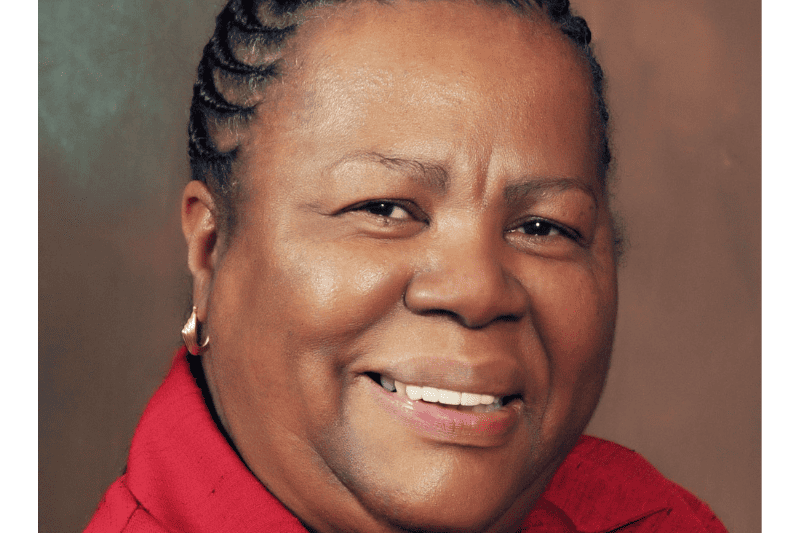
A cabinet room filled with sharp debates can sound like a university seminar these days. Across Africa, leaders with doctorates, master’s degrees, and international research experience are bringing classroom discipline into government halls. The Top 10 Most Educated Politicians in Africa 2025 shows how politics is changing shape with books, research, and blackboards in the background.
In conversations about power, education often slips into the same frame as money. The discussions around the Top 10 Richest Leaders in the World in 2024 or even the Richest Cities in Africa prove how intellect and economics often sit side by side. Yet education deserves its own ranking, a stage where knowledge stands apart.
Tabular Overview of Leaders and Their Academic Profiles
| Politician | Country | Highest Academic Qualification | Field of Study | University / Institution |
| Grace Naledi Pandor | South Africa | PhD | Education | University of Pretoria |
| Alassane Ouattara | Côte d’Ivoire | PhD | Economics | University of Pennsylvania |
| Peter Mutharika | Malawi | JSD | Law | Yale University |
| King Mohammed VI | Morocco | DEA | Public Law | Mohammed V University, Rabat |
| Mulatu Teshome | Ethiopia | Doctorate | International Law | Peking University, China |
| John Pombe Magufuli | Tanzania | PhD | Chemistry | University of Dar es Salaam |
| Ellen Johnson Sirleaf | Liberia | MPA | Public Administration | Harvard University |
| David Masondo | South Africa | PhD | Sociology | New York University |
| Ibrahim Boubacar Keïta | Mali | MA | Political Science | Paris 1 Panthéon-Sorbonne |
| Moeketsi Majoro | Lesotho | PhD | Natural Resource Economics | Washington State University |
Top 10 Most Educated Politicians in Africa 2025
Academic paths do not always predict political moves, but they set the tone. The following leaders prove that textbooks and parliamentary speeches can live in the same room.
1. Grace Naledi Pandor – South Africa
Pandor carries a PhD in Education from Pretoria, alongside other postgraduate degrees. Years in teaching gave her a reputation for turning complex policy into classroom-style clarity.
2. Alassane Ouattara – Côte d’Ivoire
Ouattara studied economics in the United States, earning his doctorate at the University of Pennsylvania. Before politics, he worked at the IMF, giving him a technical approach to governance.
3. Peter Mutharika – Malawi
Mutharika’s doctorate in law came from Yale. He spent years teaching international law before leading Malawi, combining academic research with national duties.
4. King Mohammed VI – Morocco
Morocco’s king studied law at Mohammed V University and furthered his training in France. His education has shaped both his domestic policies and his diplomatic style.
5. Mulatu Teshome – Ethiopia
Teshome earned his doctorate in international law after studying in China. His career shows how Ethiopian leaders often link academic study with global diplomacy.
6. John Pombe Magufuli – Tanzania
Magufuli, remembered for his strict leadership, studied chemistry. His PhD at the University of Dar es Salaam made him one of the few African leaders with a natural sciences background.
7. Ellen Johnson Sirleaf – Liberia
Sirleaf studied economics before pursuing a Master in Public Administration at Harvard. She later became Africa’s first female elected president, known globally for her financial expertise.
8. David Masondo – South Africa
Masondo holds a PhD in Sociology from New York University. He moved between teaching and politics, showing how academic frameworks can shape economic policies.
9. Ibrahim Boubacar Keïta – Mali
Keïta studied political science and law in Paris. His academic base opened doors to diplomacy and later to Mali’s presidency.
10. Moeketsi Majoro – Lesotho
Majoro earned a PhD in Natural Resource Economics in Washington. His leadership style reflects a mix of economics teaching and practical governance in Lesotho.
Keep Reading
Education Trends Among African Leaders
A clear pattern has emerged. Leaders with Western and Asian academic backgrounds dominate the list. Law, economics, and social sciences remain the most common fields, though natural sciences appear too. Women are stepping forward, even if their numbers are still smaller. Education is slowly balancing power, reshaping how voters view authority.
Public Perception: Does Academic Qualification Guarantee Good Leadership?
Citizens often argue about this. Some praise advanced degrees, saying education improves judgment. Others point out that policies do not always match credentials.
Stories exist of highly educated leaders struggling with corruption scandals or public unrest. Still, qualifications influence credibility. A PhD or Harvard degree carries weight in campaign speeches and international summits. People notice.
Common Questions on Educated Politicians in Africa
Who is considered the most educated politician in Africa in 2025?
Grace Naledi Pandor and Peter Mutharika often top rankings because of their doctoral research and international exposure.
Which African countries produce the most highly educated leaders?
South Africa, Ethiopia, and Morocco are known for politicians with doctorates and advanced postgraduate studies.
Do foreign universities impact political credibility in Africa?
Yes. Degrees from institutions like Yale, Harvard, and Penn often enhance public trust and diplomatic standing.
Are women leaders equally represented in this trend?
Women such as Ellen Johnson Sirleaf and Naledi Pandor show strong representation, though overall numbers remain low.
How does education affect political style across the continent?
Education often shapes the way leaders design economic strategies, negotiate international deals, and speak in policy debates.
