
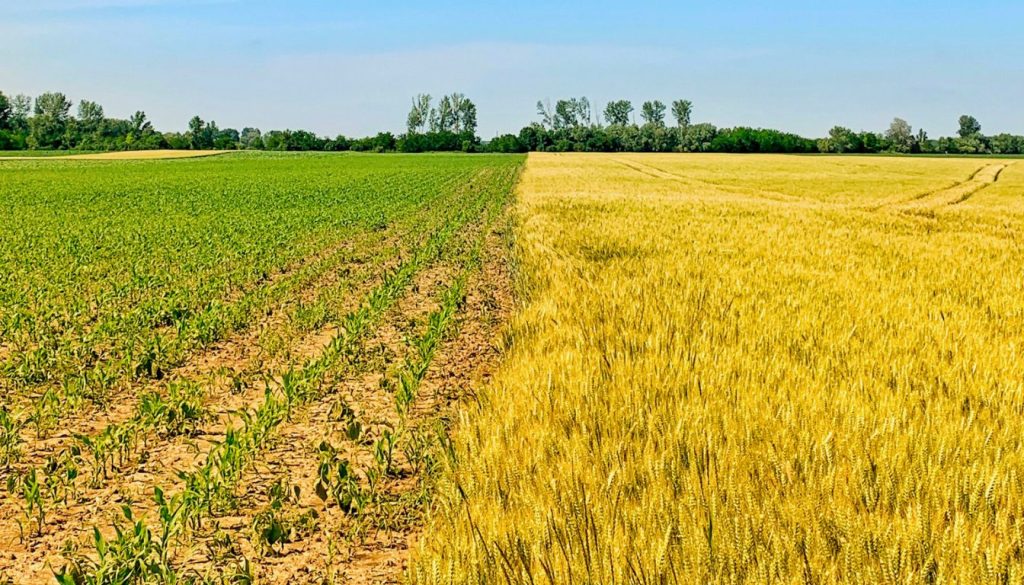
Namibia’s arid climate and recurring droughts have pushed farmers and permaculture practitioners to focus on drought-resistant crops that can survive extreme heat, sandy soils, and low rainfall. In regions like the Namib and Kalahari, sustainable farming isn’t just a trend — it’s a necessity.
Permaculture systems in Namibia combine indigenous knowledge with climate-smart agriculture to improve soil health, conserve water, and grow resilient crops. Here are some of the most important drought-tolerant crops used in Namibian permaculture.
Pearl Millet (Mahangu): Namibia’s Staple Survivor
Pearl millet, locally known as mahangu, is Namibia’s most important staple crop. It thrives in sandy soils and requires minimal rainfall compared to maize.
Why it works:
- Deep root system
- High heat tolerance
- Short growing cycle
- Nutrient-rich grain
Pearl millet is widely grown in northern Namibia and forms the backbone of food security in rural communities.
Sorghum and Cowpeas: Climate-Smart Companions
Sorghum is another hardy grain that tolerates dry spells and high temperatures. It’s often intercropped with Cowpea in permaculture systems.
Benefits:
- Sorghum resists drought and poor soils
- Cowpeas fix nitrogen, improving soil fertility
- Both provide food and livestock feed
This combination improves productivity without chemical fertilisers.
Moringa and Indigenous Vegetables for Sustainable Yields
Moringa oleifera is gaining popularity in Namibian permaculture gardens. Known as the “miracle tree,” moringa tolerates drought and provides nutrient-dense leaves rich in vitamins and minerals.
Other indigenous vegetables like amaranth and pumpkin varieties are also widely used. These crops:
- Require little irrigation
- Adapt well to local soil conditions
- Support household nutrition
Why Drought-Resistant Crops Matter in Namibia
Namibia is one of the driest countries in sub-Saharan Africa. By prioritising drought-resistant crops, farmers reduce crop failure risks, improve soil health, and strengthen food security.
Permaculture in Namibia focuses on:
- Mulching to retain moisture
- Rainwater harvesting
- Crop diversity for resilience
- Agroforestry integration
As climate change intensifies, drought-resistant farming methods are becoming essential for long-term sustainability.
FAQs
1. What is Namibia’s main drought-resistant crop?
Pearl millet (mahangu) is the most widely grown drought-tolerant staple.
2. Why is cowpea important in permaculture?
Cowpea improves soil fertility by fixing nitrogen while providing a reliable food source.
3. Is moringa suitable for desert climates?
Yes, moringa thrives in hot, dry conditions and requires minimal water once established.
