
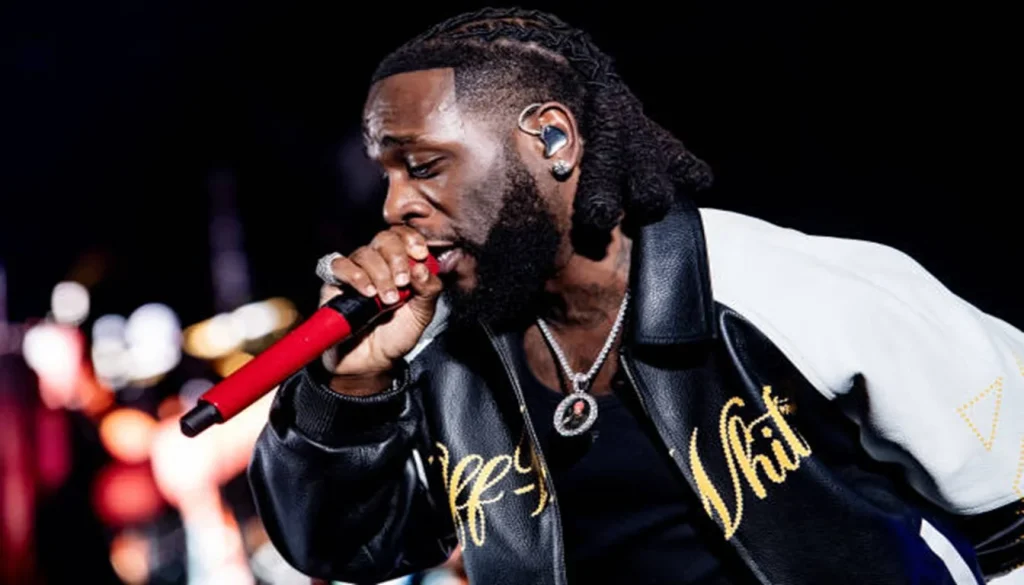
Picture a wedding in Houston, a nightclub in Berlin, a street party in Seoul. Somewhere in each room, a Nigerian or Ghanaian rhythm is playing, and people who have never set foot on the continent are moving to it as if the beat had always belonged to them. A decade ago, that scene would have sounded like a dream. Today, it is an ordinary Saturday night. Afrobeats did not arrive by luck. It was built, generation after generation, by African hands.
Roots Deeper Than Any Chart
This story did not begin in a studio in 2015. West Africa has always been a homeland of rhythm. Highlife, born in Ghana, spread through Nigerian dance halls in the mid-twentieth century. Juju, fuji and apala carried Yoruba tradition into modern life. Then came Fela Anikulapo Kuti, who fused jazz, funk and highlife into Afrobeat, a sound with groove and courage in equal measure. His saxophone said what politicians feared to say aloud.
The spelling matters here. Afrobeat, singular, is Fela’s invention. Afrobeats, with an “s,” is the newer and broader sound that grew from it, blending highlife, hip-hop, dancehall, R&B and West African percussion. One is the parent. The other is the child that carried the family name around the world.
The Diaspora Lit the Fuse
In the early 2000s, young Africans in London, Lagos and Accra were remixing everything they loved. British-born Ghanaian and Nigerian artists mixed garage and hip-hop with highlife. Back home, D’banj, 2Face Idibia, P-Square and Wande Coal turned Lagos into a hit factory. Ghana’s Reggie Rockstone and Sarkodie proved that hiplife could speak in local languages and still sound world-class.
Radio was never the only stage. Owambe parties, campus shows and Nollywood soundtracks did the early work, and mobile phones carried songs to places no record label had ever reached.
The Moment the World Leaned In
The breakthrough came in 2016, when Wizkid appeared on Drake’s “One Dance,” one of the biggest songs on the planet that year. A young man from Surulere suddenly had a global audience, and the world learned his name.
Burna Boy, the self-styled African Giant, made the next leap. He won a Grammy in 2021 for Twice as Tall, then became the first African artist to headline a UK stadium when he sold out London Stadium in 2022. No one handed him that stage. He and his fans filled it.
Davido brought his infectious energy and a long list of international collaborations. Tems won a Grammy for her work with Future on “Wait For U.” Rema’s “Calm Down” became one of the most streamed African songs ever, and its Selena Gomez remix pushed it deep into the Billboard Hot 100’s top ranks. CKay’s “Love Nwantiti” spread across continents through TikTok. Ayra Starr, Asake, Ruger, Fireboy DML and Omah Lay showed that this was never about one or two stars. An entire generation was ready.
Then the industry itself bent. The Recording Academy added a Best African Music Performance category, first awarded in 2024, and South Africa’s Tyla took the inaugural trophy. The biggest music award in the world had recognized that African music was too large to sit quietly inside someone else’s category.
Bigger Than West Africa
The success of Afrobeats also opened doors for sounds from across the continent. South Africa’s amapiano, with its deep log drums and soulful keys, now fills dance floors from Johannesburg to London. Tanzania’s Diamond Platnumz, Kenya’s Sauti Sol and Ghana’s Black Sherif draw crowds who cannot follow every word but feel every beat.
That deserves a pause. Listeners around the world are singing along in Yoruba, Igbo, Twi, Pidgin and Zulu. Nobody had to water down a language to be heard. The languages themselves became part of the appeal.
Why It Worked
Several forces came together.
- Streaming levelled the field: Spotify, Apple Music, YouTube and Boomplay allowed an artist in Lagos to reach a listener in Toronto without a gatekeeper standing in the way.
- Social media gave songs wings: Dance challenges carried African rhythms faster than any tour bus could.
- The diaspora built bridges: Africans abroad kept the music alive in foreign cities, and their children grew up proud of the sound instead of shy about it.
- The music is simply irresistible: Afrobeats carry joy even when the lyrics speak of struggle. Its message is that life is hard and the dancing continues anyway.
Culture Travels With the Sound
Wherever the music goes, culture follows. Fashion houses now borrow from Ankara and aso-oke. Artists step onto international red carpets in agbada. The jollof rice debate has gone global. Nigerian and Ghanaian slang turns up in captions from Atlanta to Amsterdam.
This is soft power in its purest form. A teenager in Brazil who falls for one Afrobeats track may soon grow curious about Lagos, Accra, Nairobi or Johannesburg. Music has become Africa’s finest ambassador, and it never needed a visa.
The Work Ahead
Pride comes with responsibility. Many African artists still face weak royalty systems, limited infrastructure and unfair contracts. The next chapter depends on ownership: African labels, publishers, streaming platforms and touring companies, along with proper credit and pay for the producers, songwriters and engineers behind the hits.
After years creating impressive verses with compelling beats, it is fair to share that the foundation is in place now. Having the youngest population of any continent, Africa and its creative energy shows no sign of slowing.
A Sound That Belongs to Africa
The next time Afrobeats plays in a foreign airport, a taxi or a shopping mall, it is worth listening closely. That rhythm carries the drums of ancestors, the courage of Fela, the hustle of Lagos, the warmth of Accra and the imagination of a generation that refused to wait for permission. Africa did not simply join the global music conversation. Africa changed its tune. And the story is still being written.
African Music: The Sounds Shaping Global Culture
Who Is Leading African Music Today?
Check out the latest music news featuring Burna Boy, Tyla, Tems, and Ayra Starr.
How Is TikTok Transforming African Music?
Find out how TikTok is taking African music trends worldwide.
What African Music Should You Discover?
Explore top African music and discover sounds from across the continent.
Who Made The Grammy Music List?
Uncover the nominees competing for Outstanding African Music Performance.
How Is Josplay Expanding African Music?
Get to know Josplay’s new library bringing African music together.
