
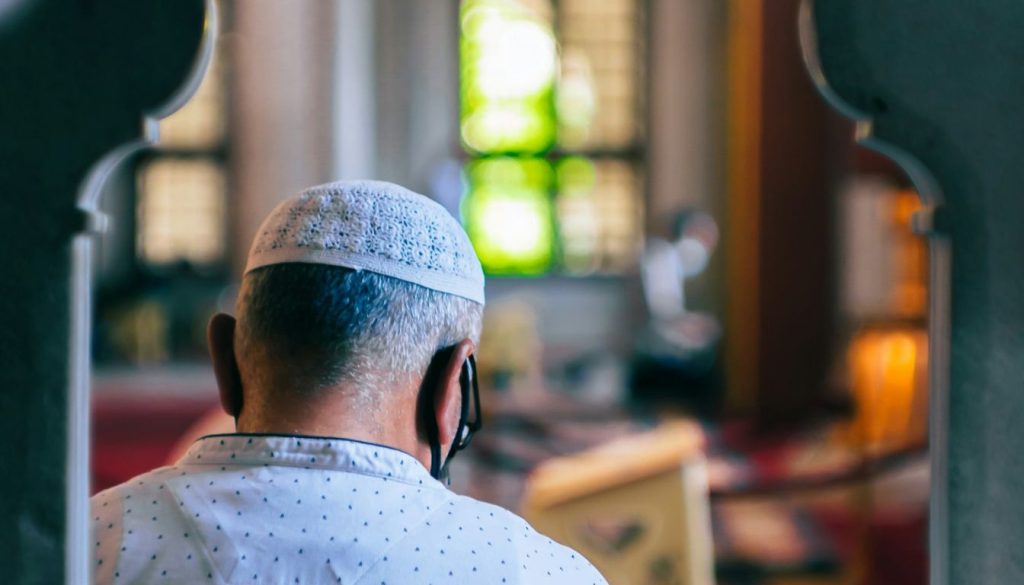
In Morocco, the Laylat al-Qadr, or “Night of Power,” during Ramadan, is one of the most sacred nights of the year and is highly significant spiritually. It is the night that Muslims believe that the first verses of the Qur’an were revealed to the Prophet Muhammad, and it is also believed that prayers offered on this night are given a great deal of blessing.
In Morocco, throughout the nation, communities celebrate Laylat al-Qadr with a number of special religious practices, family gatherings, and traditional cultural customs that exemplify the country’s deep-rooted Islamic heritage. Laylat al-Qadr is generally celebrated during the last ten days of Ramadan. The majority of Moroccans will spend their time praying, giving to charity, and reflecting spiritually.
Laylat al-Qadr is celebrated in Morocco by the extension of prayer in mosques
Most Mosques receive worshippers leading up to Taraweeh, the evening (night) prayer, as well as carrying on with other voluntary prayers after this point until the early morning.
Mosques in the larger cities of Morocco, such as Casablanca, Rabat, and Fez, generally stay open for a number of hours for the worshippers to recite from the Qur’an and participate in group prayers. Additionally, many mosques provide a religious lecture delivered by a religious scholar regarding the evening’s significance. Many families spend the majority of the night in prayer during Laylat al-Qadr.
Quran Recitation and Personal Reflection
Reading from the Quran is another important part of the Laylat al-Qadr events in Morocco. A lot of people want to finish or read over big parts of the holy text tonight.
When people pray and ask for help, their homes often become quiet places to think and observe. Some families also read parts of the Quran together and talk about what they mean.
People believe that Laylat al-Qadr is a time when prayers are especially important because of this spiritual focus.
Celebrations and traditions in the family for kids
The night is very religious, but it also has family customs that are only found in Morocco. In many homes, Laylat al-Qadr is a time to celebrate kids who are fasting for the first time.
Girls and boys of a certain age may wear traditional djellabas, and girls may wear fancy Moroccan caftans or thikattas. Families can get together after evening prayers to take pictures and eat fun food.
These traditions help kids understand what Ramadan means and make family ties stronger during the holy month.
Love and acts of kindness
Another important part of Laylat al-Qadr in Morocco is doing good things for other people. A lot of people give food, money, or clothes to people who need them tonight because they think that doing good things will bring them more spiritual benefit.
During the last few days of Ramadan, community groups and churches often set up food drives or other programs to help families who are struggling.
Giving to others is a way for Moroccans to show the kindness and unity that are at the heart of Ramadan.
FAQs
1. What does Laylat al-Qadr mean during Ramadan?
People think that the first verses of the Quran were shown to the Prophet Muhammad on Laylat al-Qadr, also known as the “Night of Power.”
2. When do people in Morocco celebrate Laylat al-Qadr?
Laylat al-Qadr is observed by Moroccans on the last ten nights of Ramadan, most often on the 27th night.
3. What do Moroccans say when they pray on Laylat al-Qadr?
A lot of Moroccans go to churches for Taraweeh and other night prayers, but some pray and read the Quran at home as well.
4. What customs do families in Morocco have for Laylat al-Qadr?
When kids fast for the first time, their families often get together for special meals and dress them in traditional Moroccan clothes.
5. Why is it important to be kind on Laylat al-Qadr?
Many Muslims think that doing good things and giving to others on Laylat al-Qadr will lead to greater spiritual rewards. Because of this, many people choose to help those in need during this time.
