
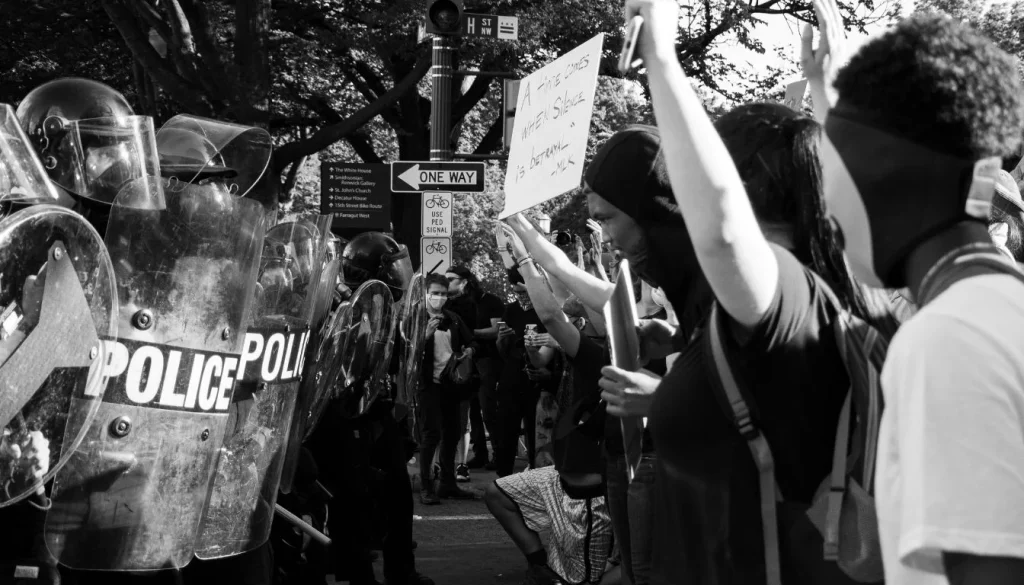
Massive protests against immigrants took place in South Africa on June 30, 2026, as activist groups demanded that illegal immigrants be deported from the country. Although the government ensured that any form of violence was kept at bay by the presence of police officers and security forces, the demonstrations affected the business community as well as transportation in some places. South Africa June 30 protests, While the demonstrations did not bring about the nation-wide chaos that many had predicted, many foreign-owned businesses closed while others who felt threatened took refuge in other countries. The following are some of the cities that were affected and what may follow in the next few months.
Durban Became One of the Top Protest Locations
One of South Africa’s cities located in the KwaZulu-Natal region saw massive protests taking place during the June 30 protest.
The mass number of protestors in various regions of Durban caused some businesses to close down due to safety reasons and increased the presence of the police. In addition, there was information about foreign citizens moving into shelters because of growing insecurity.
However, security forces managed to preserve peace due to their presence in the region.
Protests Affected Businesses in Johannesburg and Gauteng Province
The country’s economic center also saw numerous business disturbances.
Various foreign shops in Johannesburg CBD, Hillbrow, Newtown, and other regions of Soweto did not operate because of fears that there would be violence or attacks on those properties. There were isolated cases when security services intervened before the situation turned into something worse.
Businesses started operating again once safety was assured.
Anti-Migrant Protests in Pretoria
There were also protests happening in Pretoria which is situated in the City of Tshwane.
Such protests were connected to anti-migrant movements such as March and March and Operation Dudula.
What Happens Next?
The June 30 protests might not be the last in the movement.
According to organizers in some anti-immigration organizations, the intention is to keep organizing weekly protests for the next few months. Meanwhile, the government of South Africa has reiterated its position on the enforcement of immigration rules and indicated that acts of intimidation, vigilante behavior, and violence will face prosecution.
On the other hand, authorities will be working on strengthening border control measures, processing immigration quickly, and enforcing current immigration rules.
What Businesses and Travelers Need to Know
Businesses operating within South Africa are encouraged to be aware of security alerts as well as contingency plans in demonstration sites.
Foreign nationals and travelers are also expected to heed official alerts, stay away from sites of demonstrations, and stay updated through official and local media.
Conclusion
South Africa managed to dodge the anticipated unrest on June 30, but the protests revealed the tensions that exist concerning immigration and public services. With protesters set for more action and the government determined to implement tough immigration enforcement policies, businesses, citizens, and travelers will need to be alert in the coming weeks.
Discover More Insights
Why South Africa Faces Record Joblessness?
Explore how South Africa’s unemployment crisis is hitting record highs and what it means for the country’s economic future.
Why Ghana Youth Reject Free Rice?
Discover why Ghana’s youth are rejecting aid and demanding sustainable job opportunities instead.
Which Freelancing Platforms Work Best Africa?
Check the top freelancing platforms offering real income opportunities for Africans in 2026.
Why Africa’s Middle Class Still Struggles?
Explore how economic growth is failing to deliver stability for Africa’s expanding middle class.
How Nigerians Can Earn Dollars Online?
Discover practical ways Nigerians are earning in dollars and boosting their income in today’s digital economy.
