
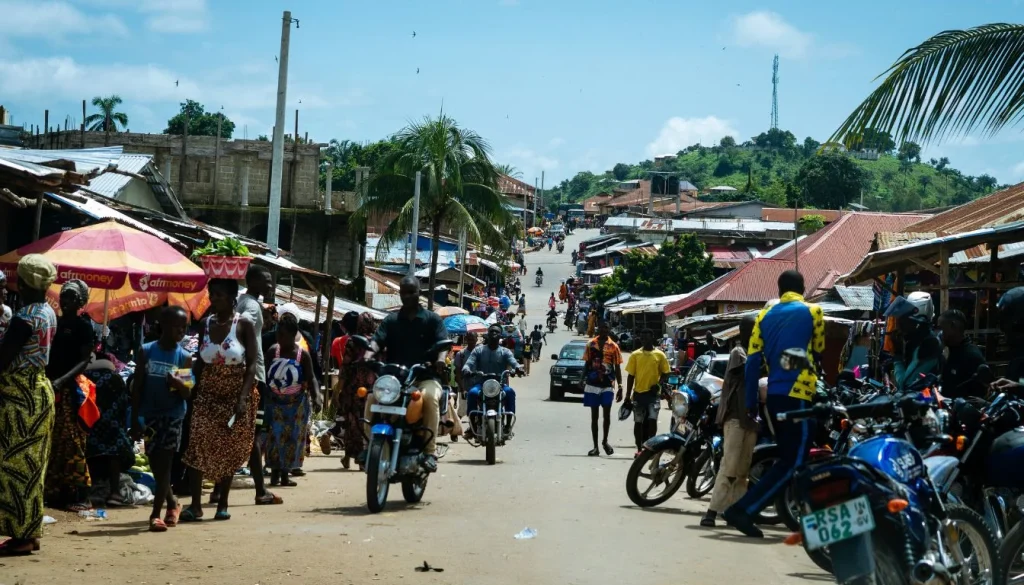
According to the United Nations, the current Ebola epidemic in Central Africa can cause an economic crisis for the continent, resulting in up to $3.6 billion losses if the disease spreads further. Africa Ebola economic losses, The United Nations Development Program (UNDP) reports that the Ebola epidemic could also lead to the loss of more than 328,000 jobs amid already existing inflation, wars, and high fuel prices in Africa.
This is while the Democratic Republic of the Congo (DRC) is fighting a case of the Bundibugyo strain of the Ebola virus, which currently has no approved vaccine and cure.
The DRC Remains at the Centre of the Outbreak
The DRC has accounted for almost all of the infections, after the official outbreak was confirmed on May 15.
Based on official numbers, 1,307 infections have been confirmed, along with 377 deaths. The outbreak is mainly located in Ituri Province, where insecurity and lack of access to health care facilities has made it harder to contain the situation.
Health professionals have had to deal with difficulties in containing the disease due to distrust from the communities and traditional funerals, where people have contact with the bodies of the dead patients.
Uganda and Other Neighboring Countries at Risk
While only a few cases have been reported in Uganda, the experts say that border movement could result in increased infections.
The UNDP identified several neighboring countries that are likely to be at risk in terms of their economic and public health sectors if containment measures do not work, such as:
- Uganda
- South Sudan
- Rwanda
- Angola
Cooperation and vigilance of the borders would be key to avoid spreading of the infection.
Why the Economic Impact Might Reach $3.6 Billion
Several scenarios of the economic impact of the outbreak have been outlined by the UNDP.
In the best case scenario where Ebola does not spread out of the DRC and Uganda, the DRC is expected to lose around $1 billion in terms of GDP.
But if the virus spreads into various countries along with high prices for global fuels, then the effects will be even more devastating. The worst case scenario may lead to:
- Losses in terms of $3.6 billion of GDP in Africa.
- Loss of around 328,000 jobs.
- Disturbances in trade, tourism, agriculture and cross border activities.
Response and Containment Efforts by the Government
The government of DRC is making efforts to stop the spread of the virus.
There has been a ban imposed on any kind of gathering in four provinces, which includes the capital city of Kinshasa as well, while at the same time health officials are engaged in contact tracing, awareness campaigns and safe burials.
According to Damien Mama, UNDP resident representative, quick funds are needed to avoid the transformation of the outbreak into the development crisis.
Conclusion
In light of the recent warnings from the UN, it should be noted that Ebola is not just a public health crisis but also a significant economic one for Africa. Although the current Ebola epidemic seems to be limited to the DRC, neighbouring nations have been beefing up their surveillance efforts as international organizations try to stop its expansion.
Discover More Insights
Why South Africa Faces Record Joblessness?
Explore how South Africa’s unemployment crisis is hitting record highs and what it means for the country’s economic future.
Why Ghana Youth Reject Free Rice?
Discover why Ghana’s youth are rejecting aid and demanding sustainable job opportunities instead.
Which Freelancing Platforms Work Best Africa?
Check the top freelancing platforms offering real income opportunities for Africans in 2026.
Why Africa’s Middle Class Still Struggles?
Explore how economic growth is failing to deliver stability for Africa’s expanding middle class.
How Nigerians Can Earn Dollars Online?
Discover practical ways Nigerians are earning in dollars and boosting their income in today’s digital economy.
