
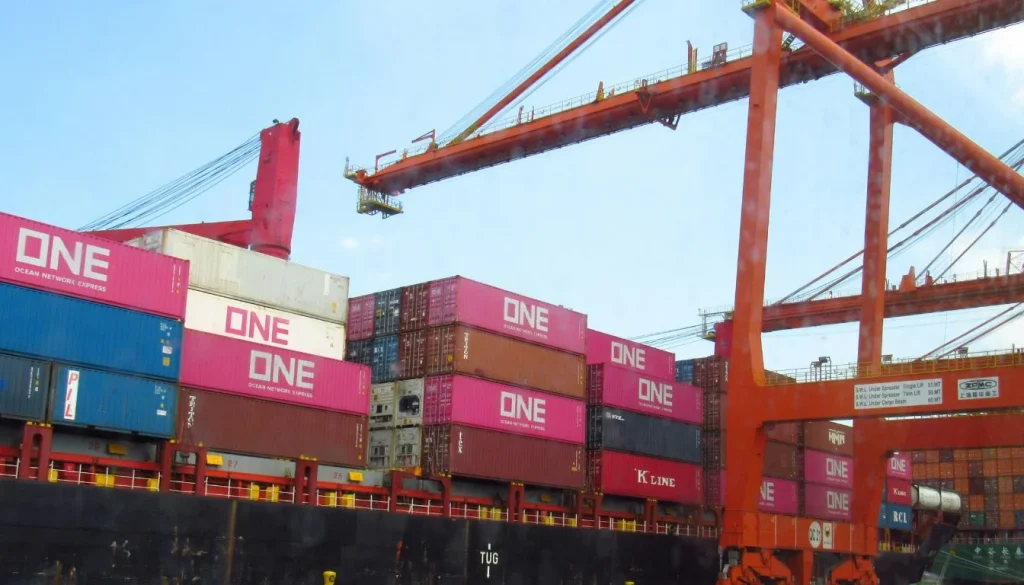
Continuing Red Sea shipping disruptions have been causing considerable disruptions to international shipping routes, especially for East Africa, a region that heavily relies on maritime shipping for its economic activities. Security issues have made many shipping firms divert their cargo ships from the Bab el-Mandeb Straits and the Suez Canal towards the alternative Cape of Good Hope route along the southern coast of Africa. Red Sea shipping disruptions East African trade, Although such a shipping route offers more safety for vessels, it has increased travel times by 10 to 15 days, fuel, and insurance costs, and also put extra strain on African ports. The impact has spread across East Africa and is adversely affecting the logistics sector through increased shipping costs and delays in shipment.
Increased Distance Takes Longer Time for Deliveries
Due to the redirection of ships to the Cape of Good Hope route, the time taken for cargo shipment from Asia, Europe, and East Africa has been elongated.
It is taking longer for the importation of machinery, electronics, construction equipment, drugs, and other goods into the ports of Kenya, Tanzania, and other nearby countries.
Additionally, longer trips make planning of deliveries and inventory harder due to decreased reliability of shipping schedules.
Fees Are Rising Due to Longer Trips
Longer trips mean additional spending on fuel, budget, and insurance.
Many of these extra fees were transferred to the clients via increased rates and war-risk insurance. It is estimated that the cost of importing products for various industries in East Africa rose by 8% to 12%.
As a result, the increasing logistics fees will lead to increased costs for imported products and will cause inflation.
Port Services Under Increasing Pressure
In addition, the change in shipping lanes around the world also affects the operations of ports in Africa.
While some ports see an increase in demand for such services as refueling, maintenance, and cargo handling of vessels that reroute, it also increases operational pressures on ports.
Some major gateways, including the Port of Durban, have managed additional traffic from the sea, while East African ports work to become more efficient with cargo growth.
Increased time at the port could result in additional delays owing to congestion during peak hours.
There are significant efforts being made by governments and ports on the digitization of customs procedures and logistics to help reduce congestion.
New Challenges for Exporters
The export industry in East Africa is more susceptible to any delays in shipping.
Products like tea, coffee, flowers, fresh fruit and vegetables, and seafood require smooth logistics and cold-chain shipping to reach foreign markets.
More time spent during the process increases the chances of the food products being spoiled on the way and reduces their quality in the end. Exporters will spend more money on refrigeration and insurance.
In addition, exporters may be in danger of failing to fulfill contract delivery terms to buyers in Europe, Asia, and the Middle East.
How Businesses Adjust to Changing Trading Conditions
All businesses in East Africa are adapting to new trading conditions.
The importers have increased their stock buffers to avoid stockouts, while exporters have started checking their logistics schedules and other modes of transportation wherever possible. Firms have also begun considering alternative sourcing locations that are nearer in order to avoid reliance on faraway seaborne transport.
The regional governments have also continued with their initiatives aimed at improving trade facilitation, such as digitalization of the customs process and enhanced transport corridors and regional integration through AfCFTA.
While the disruptions caused by Red Sea shipments will persist as an international problem for some time yet to come, the mentioned developments might prove helpful for East Africa down the road.
Trending Reads You’ll Love
Explore Sudan Civil War Power Struggle?
Discover how Iran’s influence and conflict are shaping Red Sea security risks.
Discover South Yemen Stability Challenges Today?
Check why Africa needs stability across the Red Sea for regional balance.
Check Sudan Brotherhood Ban Impact Now?
Explore how the ban could reshape Sudan’s security and political future.
Explore US Brotherhood Policy Shift Again?
Discover why the US is reconsidering its stance on the Muslim Brotherhood.
Discover America’s Terror Label Push Why?
Check how the US push could redefine global policies on Islamist groups.
