
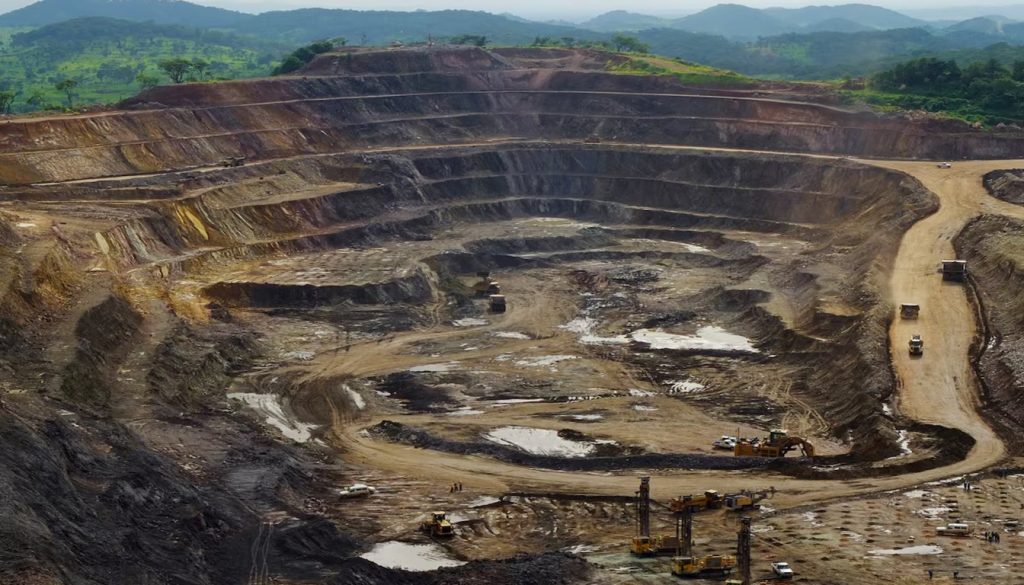
The Democratic Republic of Congo has issued an immediate ban on the export of copper and cobalt concentrates to increase domestic processing of these strategic minerals and keep more economic value within its jurisdiction.
The ban has already shocked the global metals markets, where prices on LME copper spiked 1.8% to $14,369.50 per metric ton in response to the announcement of the restriction.
The Democratic Republic of Congo is one of the largest global suppliers of copper as well as the world’s largest cobalt producer. This is why any disturbance of their export of minerals is carefully watched by the manufacturing sector and electric vehicles in particular.
Why Did DR Congo Ban Copper and Cobalt Concentrates?
The primary goal is the creation of added value locally.
As opposed to letting mining firms export raw concentrates, the government wishes that more refinement and processing be carried out within the DRC.
The new order is also characterized by the adoption of a new tax structure for various by-products of economic significance that are extracted during mineral processing.
This is one of the measures in Kinshasa’s effort to generate more revenues from its vast mineral resources and also promote industrialization.
Is the DRC Banning Copper and Cobalt Exports?
No.
The distinction is significant.
The new policy applies to copper and cobalt concentrates but not the refined products of copper and cobalt.
Statistics for DRC exports in Q1 2026 reveal that the country exported much more copper cathodes than copper concentrate, implying that many of the major mining firms refine their minerals locally.
Why Have Copper Markets Worldwide Reacted So Much?
Despite the restriction being only on concentrates, traders have reacted immediately as the DRC is a vital supplier of copper on the global markets.
Copper prices have grown by 1.8% and are now at $14,369.50 per metric ton due to fears of disruptions to global smelting and refining networks.
The reaction also shows how sensitive the copper market has become to any changes in supplies from large producers.
The restriction may increase competition among manufacturers for the available concentrate and push up processing costs.
Which Mining Projects May Be Impacted by the New Policy?
The effect will not be equally felt by all mines in the DRC.
The mining companies that are already able to produce refined copper and cobalt will be better prepared for the new restrictions.
But those that still need to export their concentrates will have to react to this new policy straight away.
Kamoa-Kakula is one of the major copper projects in the DRC that has attracted much attention. As it has a smelting facility on site, it is more exposed to the restriction than just exporting concentrates would be.
The government may also provide one-year waivers based on certain strategies and thus gain some leeway in the implementation of the new regulations.
What Are the Implications of This Policy for the Global EV Supply Chain?
The mining of cobalt in the DRC is significant for this policy because of its implications for the electric vehicles industry.
In the past, cobalt has been widely used as a component of lithium-ion batteries’ cathodes; however, nowadays, manufacturers have started producing battery chemistries that contain no or very little cobalt.
Copper is also an integral component of electric vehicles due to its extensive use in the manufacturing of the motor and wiring.
Thus, any disruption of the flow of minerals from DRC may lead to increased expenses in different aspects of the clean energy supply chain.
At present, the ban on concentrate exports does not necessarily mean that there would be no copper or cobalt available for the manufacture of electric vehicles.
Would This Ban Help DR Congo’s Mining Sector?
That’s what Kinshasa believes.
With increased domestic mineral processing, there would be an opportunity for the government to create more jobs, build additional industrial capacity, and add value to materials before they are sent to international buyers.
This is part of a larger trend seen in many resource-rich African nations seeking to take control of their critical mineral supply chains.
The problem for the DRC is that it needs to be able to process enough of these materials at home fast enough.
Discover More Insights
Why South Africa Faces Record Joblessness?
Explore how South Africa’s unemployment crisis is hitting record highs and what it means for the country’s economic future.
Why Ghana Youth Reject Free Rice?
Discover why Ghana’s youth are rejecting aid and demanding sustainable job opportunities instead.
Which Freelancing Platforms Work Best Africa?
Check the top freelancing platforms offering real income opportunities for Africans in 2026.
Why Africa’s Middle Class Still Struggles?
Explore how economic growth is failing to deliver stability for Africa’s expanding middle class.
How Nigerians Can Earn Dollars Online?
Discover practical ways Nigerians are earning in dollars and boosting their income in today’s digital economy.
