
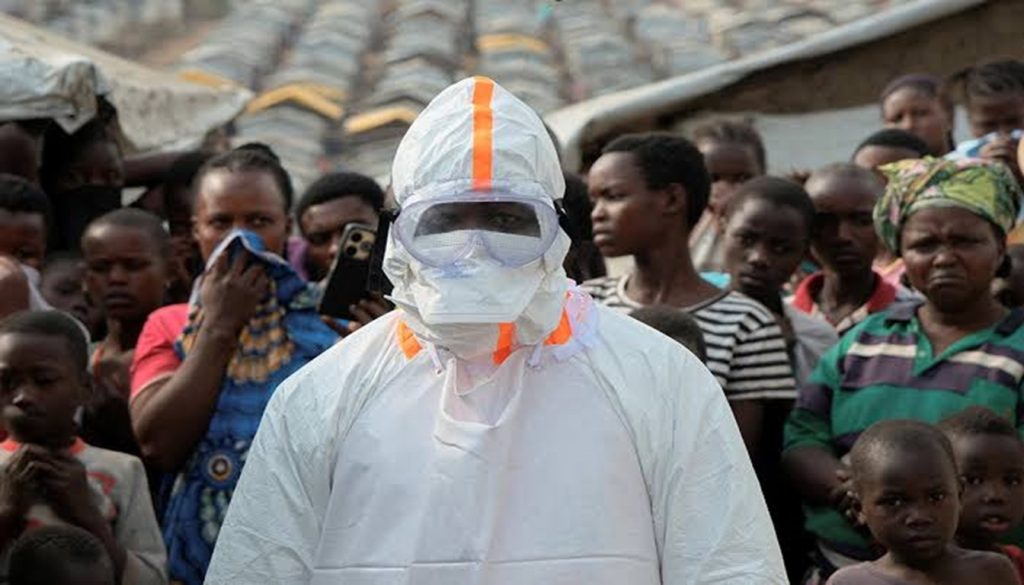
Uganda has announced that the country’s 2026 Ebola outbreak has ended, although the country will maintain vigilance at its border with DR Congo, where the outbreak of the virus is still ongoing. 20 Ebola infections and two deaths were reported in Uganda during the outbreak, while there have been thousands of infections and deaths in DR Congo caused by the same strain of Bundibugyo virus.
The different cases in the two countries have increased worries regarding cross-border infection, as some communities cross the borders of Uganda and DR Congo for different reasons.
Uganda declares Ebola Outbreak Over
Uganda has officially declared an end to the Ebola outbreak in the country on 28 July 2026 after a 42-day period of monitoring suggested by WHO.
The outbreak was officially declared on 15 May after Uganda confirmed cases that were related to DRC. Out of 20 confirmed cases, 18 patients have recovered, and two have died. Out of the 20 confirmed cases, fifteen have been traced to patients who have been infected by the virus in the DRC.
The health authorities conducted country-wide surveillance throughout the period and confirmed that there were no new cases reported in the country, making it possible for the country to declare an end to the outbreak.
Nevertheless, it continues to be a daunting task for the officials to ensure that new infections are not brought in from DRC.
DR Congo’s Ebola Outbreak Expands
While Uganda has managed to contain its outbreak, the problem in the neighbouring country is more serious than Uganda’s.
The outbreak of the disease in the DRC is widespread in various health zones and provinces; Ituri being the epicentre. The WHO has reported ongoing transmission in Ituri, North Kivu, South Kivu, Haut-Uele and Tshopo.
The outbreak in the DRC is made more difficult to manage by the conflict and lack of healthcare facilities in the area.
Concern for Cross-Border Movement
With respect to Uganda, being located close to the Ituri province and other affected provinces, the issue of cross-border movement becomes very important.
Indeed, the outbreak in Uganda itself is highly associated with infections imported from the DRC. According to WHO, geographic proximity and movement of people increased the chances for regional spread of the virus.
Therefore, health officials need to keep up their screening, contact-tracing, and rapid response systems even after Uganda declared an end to the outbreak.
It is especially important in the case of border communities where people regularly move between Uganda and the DRC.
Greater Risks for Displaced Population
The ongoing outbreak raises certain concerns about displaced populations in the eastern DRC.
There were millions of people who were displaced in the affected provinces, often with no access to proper healthcare or hygiene facilities.
Displaced populations can become more vulnerable to infectious diseases due to overcrowding and lack of access to medical facilities.
While there are no reports of any cases among refugees and asylum seekers, there are infections in the ranks of the internally displaced population.
Trending Reads You’ll Love
Explore Sudan Civil War Power Struggle?
Discover how Iran’s influence and conflict are shaping Red Sea security risks.
Discover South Yemen Stability Challenges Today?
Check why Africa needs stability across the Red Sea for regional balance.
Check Sudan Brotherhood Ban Impact Now?
Explore how the ban could reshape Sudan’s security and political future.
Explore US Brotherhood Policy Shift Again?
Discover why the US is reconsidering its stance on the Muslim Brotherhood.
Discover America’s Terror Label Push Why?
Check how the US push could redefine global policies on Islamist groups.
Why Uganda is Maintaining Its Vigilance
Although Uganda has shown great effectiveness in managing the 2026 Ebola virus outbreak, early detection and quick reactions have been shown to be vital for the containment of this infection. However, declaring the end of the epidemic should not mean that there is no risk of new cases entering the region.
The spread through DRC means that Uganda should continue with border surveillance, increase awareness among the community, conduct tests, and act quickly.
Preparedness across the border has been noted by WHO to be an important part of a regional strategy because of the potential ability of movement of people and goods to infect other regions.
