
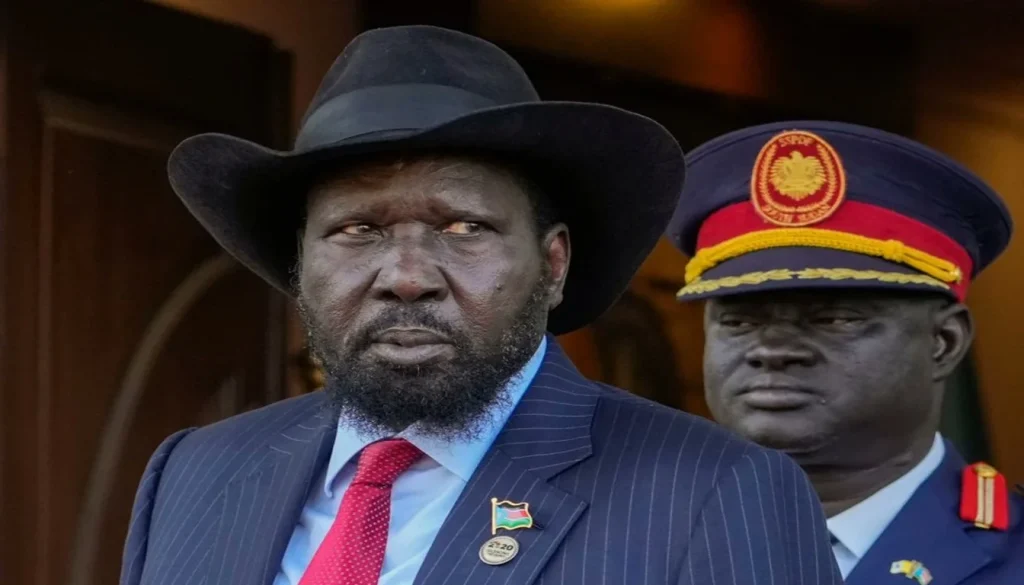
President Salva Kiir has dissolved South Sudan’s transitional government, three months before the country’s first election since independence in 2011. The decree was announced on state television and clears the way for the vote on 22 December.
What the decree changes
As, South Sudan transitional government dissolved what happens next, everyone is looking forward to the next elections. Under the amended law, Kiir removed the five vice presidents and dissolved parliament as well as national and state governments. He stays in office with full constitutional powers until an elected president is sworn in, and he has reappointed some ministers and governors in caretaker roles. Soldiers blocked access to government ministries, and arriving staff were turned away.
The move followed another surprise. Days earlier, Kiir dismissed the elections commission chairman, Abednego Akok Kacuol, without explanation.
Why the peace deal is under strain
The transitional government came out of the 2018 agreement that ended the civil war, and the country has postponed elections twice and extended the transition several times. The body monitoring the deal, RJMEC, says South Sudan has entered a critical phase and that several key talks remain unfinished.
Critics say the process has been rushed. Policy analyst Abraham Awolich argues that doing all this at once, without a new political settlement, violates the agreement. The UN Commission on Human Rights in South Sudan has also warned that elections without safeguards and inclusive dialogue could fuel renewed conflict.
What happens next
Kiir is the presidential candidate of the SPLM. Reports say no major challenger has emerged, and his rival Riek Machar has been under house arrest since being removed as vice president. Kiir suspended Machar last year after justice authorities filed criminal charges over an attack on a garrison of government troops. Machar’s SPLM-IO has warned it would treat election workers in its territory as prisoners of war.
The caretaker administration will run the country until the vote. The open questions are whether voting can happen in opposition-held areas and whether the result will be accepted by all sides.
Africa’s Political Landscape: Key Developments to Explore
What Changed After Madagascar’s Protests?
Check out what happened one year after the government was removed.
What Role Does Sudan’s Brotherhood Play?
Find out what is known about Islamist networks and the SAF.
How Could South Sudan’s Election Rules Change?
Uncover the implications of amendments made ahead of the December polls.
Why Did South Sudan Dissolve Government?
Browse what the government dissolution could mean for the upcoming election.
Why Is South Sudan’s Transition Extended?
See why the UN condemned the transition extension amid stalled reforms.
