
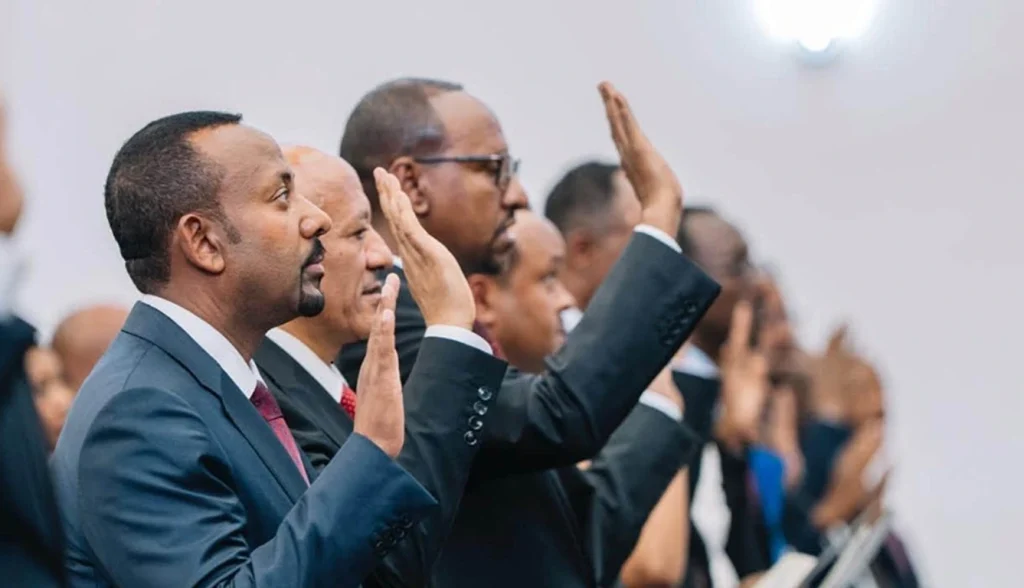
Libya’s politics rarely stay quiet for long, and this week proved it again. Libya eastern lawmakers elect Abdulnabi new parliament speaker, ending Aguila Saleh’s run at the top after nearly 12 years. The vote took place in Benghazi on Tuesday, in a session chaired by second deputy speaker Misbah Douma.
A Chair That Never Changed Hands
Saleh has led the eastern-based House of Representatives since the chamber was elected in 2014. That period covered civil war, rival governments and one failed round of talks after another. Many young Libyans have never known another speaker. Discontent among lawmakers had been building. The day before the vote, 98 members approved new rules limiting the speaker and his deputies to a single 12-month term. That scrapped the arrangement that had stood since 2014.
Who Is Abdulnabi?
Al-Salhin Abdulnabi represents Tobruk and has chaired parliament’s Libyan-Turkish friendship committee. He holds a master’s degree in civil engineering. He comes from the same tribe as Saleh, which suggests this is a reshuffle from within rather than a revolt by outsiders. Saleh remains an ally of eastern commander Khalifa Haftar and has been central to diplomacy over Libya’s conflict. The question now is whether that influence fades or simply moves to other rooms.
What It Means for Libyans and the Region
Libya is still divided. The House of Representatives sits alongside the High State Council, which was created under a 2015 political agreement. A new face at the top does not unify them. Still, a speaker who serves only a year may be easier to bargain with, and harder to blame for every deadlock.
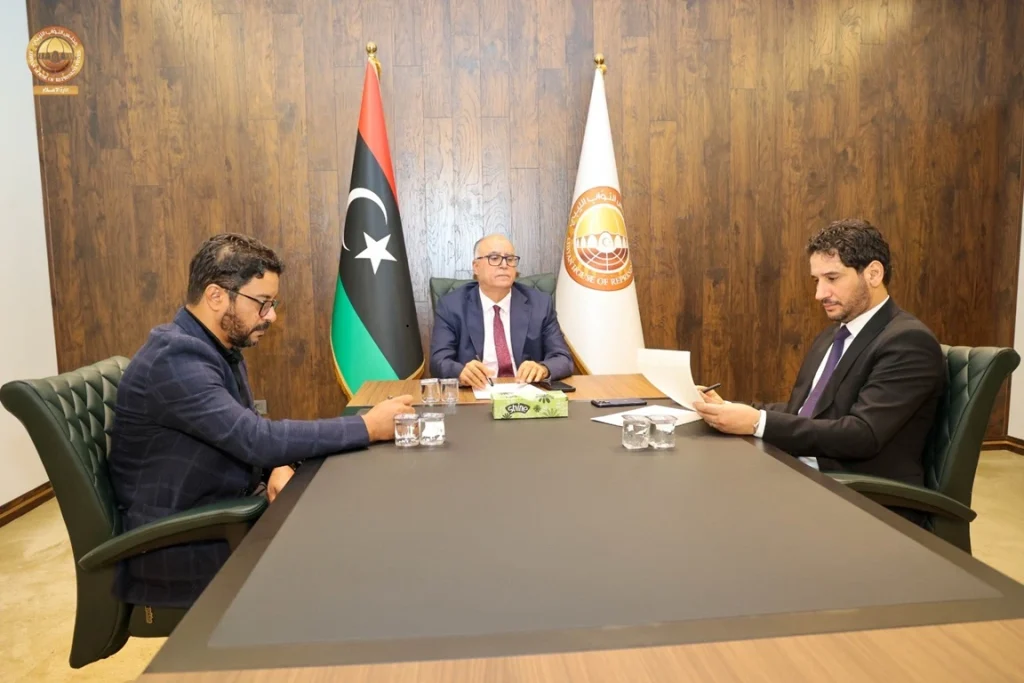
#تصريح عقدت هيئة رئاسة مجلس النواب الجديدة اليوم الثلاثاء اجتماعها الأول الذي ضم رئيس مجلس النواب السيد الصالحين عبدالنبي" والنائب الأول لرئيس المجلس السيد "طارق الأشتر " والنائب الثاني لرئيس المجلس السيد " مصباح دومة" ، وتناول الاجتماع عمل هيئة رئاسة مجلس النواب والمجلس خلال الفترة المقبلة. #عبدالله_بليحق #المتحدث_الرسمي #مجلس_النواب_الليبي
— Abdullah Blihegᅠᅠᅠᅠᅠᅠᅠᅠᅠᅠᅠᅠᅠᅠᅠᅠᅠᅠᅠᅠᅠᅠᅠᅠᅠᅠᅠᅠᅠ ᅠ (@AbdullahBliheg) October 6, 2026
Neighbours from Egypt to Tunisia will be watching, as will Sahel states that feel Libya’s instability through smuggling and weapons flows. Ordinary families care about simpler things: fuel, cash at the bank, steady electricity and a vote they can trust. The real test for Abdulnabi is whether this change pushes lawmakers toward elections. Rival institutions backed an election plan in June, and it needs follow-through.
For now, Libya’s east has shown it can change its leadership without gunfire. In a country that has seen plenty of that, it is no small thing. The rest of Africa will be watching what comes next.
Relevant Article
- Libya’s Oil Production Drops by 200,000 BPD Following Pipeline Sabotage: What Has Happened at Sharara?
- Anti-LGBTQ Legislation Passed by Ghana Parliament – Key Changes & All Details!
- The End of Eskom’s Monopoly? New 2026 Parliament Update on South Africa’s Competitive Power Market: What it Means for Your Electricity Bill
- Gen Z Holds the Ballot Box Keys: Why Kenya’s 2027 Race Could Turn on the Young
- Libya Aims at More Political Stability Before Elections: Here’s What Has Changed
