
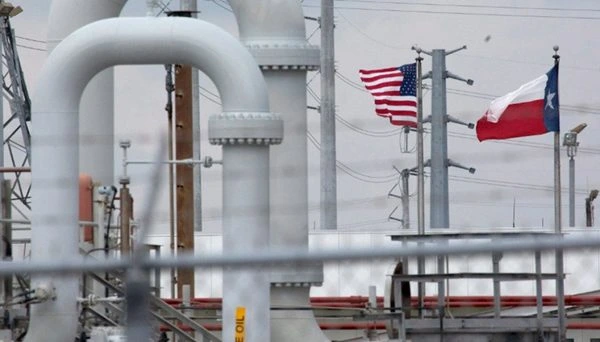
Fuel prices have a way of finding every household, from Lagos to Lusaka. The message from London is blunt: global oil stockpile buffer nearly depleted amid supply concerns, and the market has little left to fall back on. Executives made the warning at the Energy Intelligence Forum this week.
How Thin Is the Cushion?
Saudi Aramco chief Amin Nasser said fewer than 6 billion barrels of commercial inventories remain, and most of that is not practically available. He put the usable share at 10% or less. Some oil sits in tank bottoms and pipelines, and some is locked up by government rules on emergency stocks. The world burns about 102 million barrels a day, according to the IEA. Wars in the Middle East and Ukraine forced governments and companies to dip into reserves this year. The US Strategic Petroleum Reserve is now at its lowest level since October 1982.
Why Prices May Stay Firm
Chevron’s Mike Wirth said losing these buffers makes the market more fragile and lifts oil’s price floor. Vitol boss Russell Hardy said the world depends on seaborne exports leaving the Middle East to stay balanced through winter, because the West has no more inventories to drain. The IEA is preparing to release another 100 million barrels of crude and diesel to ease soaring diesel prices. Nasser noted it took hard negotiations to agree even that. Executives expect turmoil to last beyond next year, since refilling tanks takes years on top of meeting daily demand.
What It Means for Africa
Importers feel this first. South Africa is a net fuel importer, and its central bank is already worried about oil-driven inflation. Across the continent, diesel moves food, powers generators and runs minibuses and trucks. A pricier barrel quickly becomes pricier tomatoes and higher bus fares. Producers such as Nigeria and Angola may enjoy firmer prices. Whether ordinary people see any benefit depends on how revenues are managed and how much refined fuel still has to be imported.
Governments can soften the blow with targeted support, but few African treasuries have deep pockets. Households, traders and transport operators should plan for volatility rather than relief. The cushion that once absorbed shocks has worn thin, and the next shock may land harder than the last.
Continue Reading
Kenya’s Coast Gets Its Big Bet: Africa’s Leaders Turn the First Soil on a $16B Refinery
