
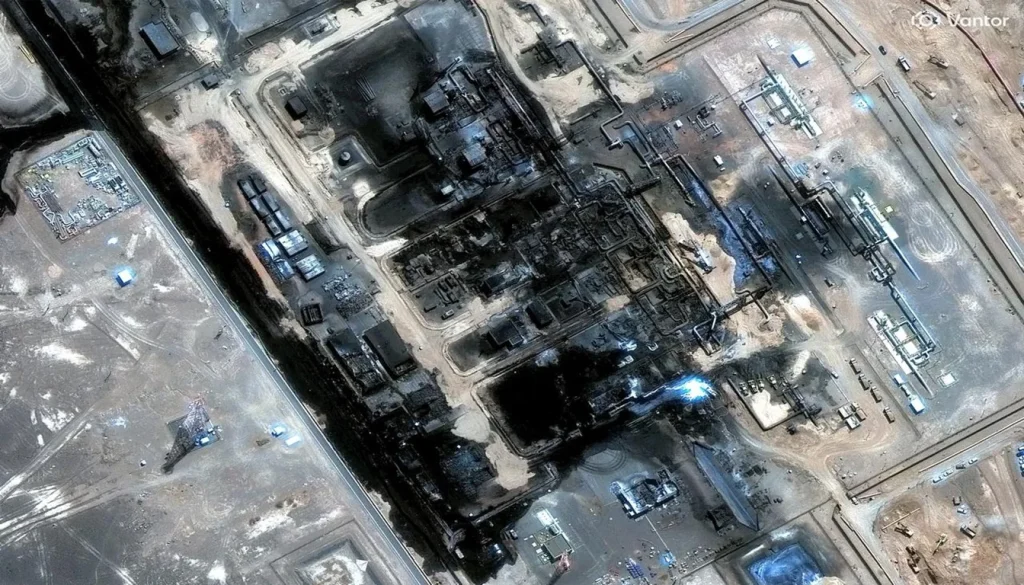
The price of Brent crude has returned to over $107 a barrel following attacks on Saudi Arabia’s energy infrastructure and disruptions in the Strait of Hormuz. As of September 15, Brent crude was trading at $107.35, while the Saudi East-West pipeline remains closed following an attack. This pipeline serves as an alternative means to move millions of barrels of oil without having to use Hormuz.
For Africa, the issue extends beyond just the price of crude oil. Rising oil prices tend to quickly increase costs of petrol, diesel, transport, food, electricity, and other sectors of the economy where oil is a key ingredient. But the effects are not going to be evenly felt across Africa. It all depends on domestic fuel pricing policies, currency valuations, fuel stockpiling, and refining capacity.
Why Africa Is Vulnerable to Another Oil Shock
According to the IEA, global oil supplies will drop by 5.7 million barrels per day in 2026. Also, Saudi Arabia’s oil production has declined to its lowest level in over three decades. The stocks of refined fuels are also under pressure.
This is important as diesel plays a crucial role in the economy of the continent. Diesel-powered trucks transport food from farms to ports and cities. Diesel is also used in farming, construction, mining, and electricity production. IFPRI found that the 2026 oil shock has already had a very different impact on African countries based on their fuel price policy and fiscal regime.
South Africa, Ghana, and Kenya Are under Considerable Pressure
South Africa is highly vulnerable to changes in international fuel prices as domestic prices depend on petroleum prices. South Africa already faced problems related to increasing crude oil and refined fuel prices amid the first phase of the Middle East conflict. According to Reuters, African policymakers were worried about inflation and had to pause monetary easing due to oil prices increasing.
Like Nigeria, Ghana is also an economy in which higher prices for oil on the international markets have an immediate effect. In the case of the earlier oil shock, the price of petrol in Ghana increased by 15%, while that of diesel increased by 19%. Higher costs will also affect transport prices and food prices.
Similarly, Kenya is an economy that is vulnerable to shocks due to the effect of oil price increases on its transport and food distribution costs.
Senegal, Benin, and Zambia Among Economies at Highest Risk
Sometimes, the largest risk of economic shock may not be in the economy with the highest level of consumption of fuel.
According to a study done by Zero Carbon Analytics, Senegal, Benin, Eritrea, Burkina Faso, and Zambia have some of the highest risks of experiencing some of the worst economic impacts in Africa from persistently high oil prices, among other considerations like the costs of importing oil, foreign exchange reserves, and how much such imports deplete import cover.
In highly indebted countries, high fuel import prices also limit governments’ capacity to subsidize or tax such fuel.
Vulnerable and in a More Favorable Position: Nigeria
The situation in Nigeria is slightly more complex. It is one of the largest producers of crude oil and has increased its own refining capabilities, especially with the Dangote refinery. However, higher oil prices on the international market are still likely to lead to higher domestic fuel prices since refinery companies are influenced by international crude prices.
According to IFPRI, it was estimated in 2025 that 62% of the petrol used in Nigeria was imported, despite having the capability to meet 92% of its needs through its refineries by February 2026. Thus, it can be said that they have improved their position significantly but are not immune to oil price changes on the international market.
Another thing illustrated by Nigeria’s case is how higher fuel prices can easily translate to higher food prices.
Explore Africa’s Biggest Travel, Economy & Tech Trends
Which Countries Face New Visa Bonds?
Check out the African countries affected, bond amounts, and eligibility rules.
Can Africa Strengthen Migration Cooperation?
Find out how Ramaphosa’s proposal could reshape migration collaboration across Africa.
Which African Currencies Face Weakness?
Uncover the countries at risk and the latest currency market outlook.
Where Are iPhone 17 Prices Cheapest?
Browse the latest iPhone 17 and Samsung Galaxy price comparisons across Africa.
Which African Cities Are Getting 5G?
Explore the countries, cities, and plans driving 5G expansion in 2026.
