
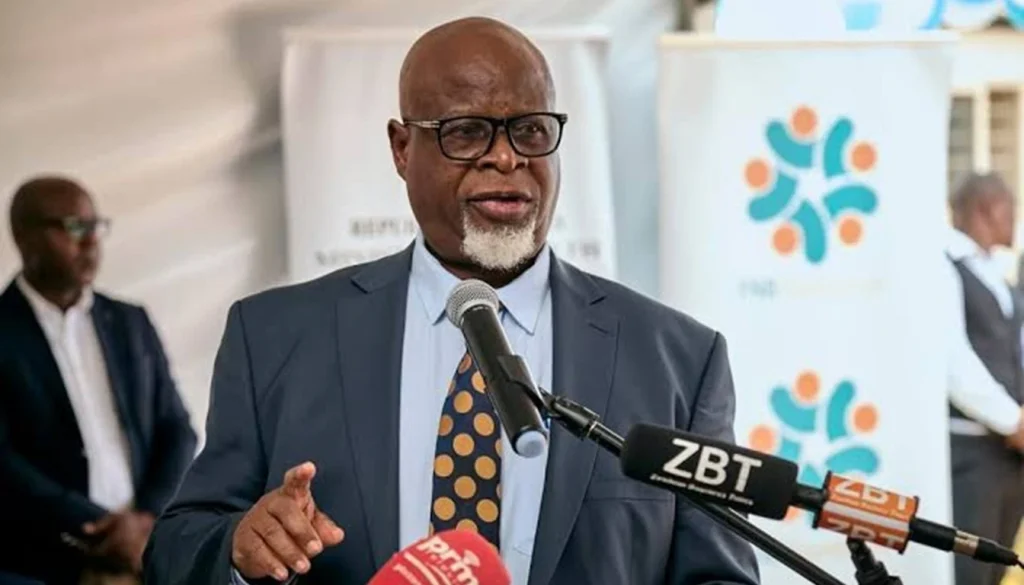
Zambia has just won a negotiation that many African capitals will be watching closely. The Zambia US health deal will bring $1.5 billion in American funding over five years, and it is set to be signed after Lusaka pushed Washington to drop its most contested demands.
Why the talks stalled
Washington has been signing one-on-one health aid agreements with African countries since the USAID agency was shut down last year. Zambia’s version hit trouble early. Officials objected to sweeping medical data requests and to what they called “unacceptable” terms that favoured US companies in the country’s copper and critical minerals sector.
The US is a major funder of HIV/AIDS, malaria and public health programmes in Zambia, so walking away was never easy. Still, Lusaka held its ground for months.
What changed
Health Minister Roma Chilengi said the revised agreement no longer asks Zambia to share patient specimens, and that concerns about individual patient data have been “completely removed”. Data-sharing is now limited to what is needed to monitor and evaluate US-funded programmes. He also insisted the health pact never mentioned critical minerals. Zambia will put in $2.1 billion of its own money, bringing the total package to about $3.6 billion.
A lesson for the continent
Zambia is not the first country to push back. Zimbabwe turned down a US health deal in February, partly over data and specimen-sharing rules, and Ghana also rejected such terms. Meanwhile, the US has already signed specimen-sharing agreements with at least nine African nations, under which data must be sent within days of a request.
For ordinary Zambians, the money matters because it supports clinics, maternal care and infectious disease programmes. But the bigger story is about who controls the information. Health data is valuable. It can shape drug research and diagnostics, and African governments are increasingly asking who profits from it.
Zambia has shown that saying no, or at least “not like this”, can change the terms. Whether other countries can match that leverage is another question, since Zambia’s copper wealth gave it a stronger hand than most. Still, the signing this week will be read as proof that African health sovereignty is not just a slogan.
Read More
Zambia Sets Its Sights on 7% Yearly Growth as Policy Turns From Stability to Expansion
India Wants Zambia’s Copper: Why New Delhi is in a Rush to Get Africa’s Critical Minerals
Hakainde Hichilema Sworn In for Second Term Today: What His Re-Election Means for Zambia
