
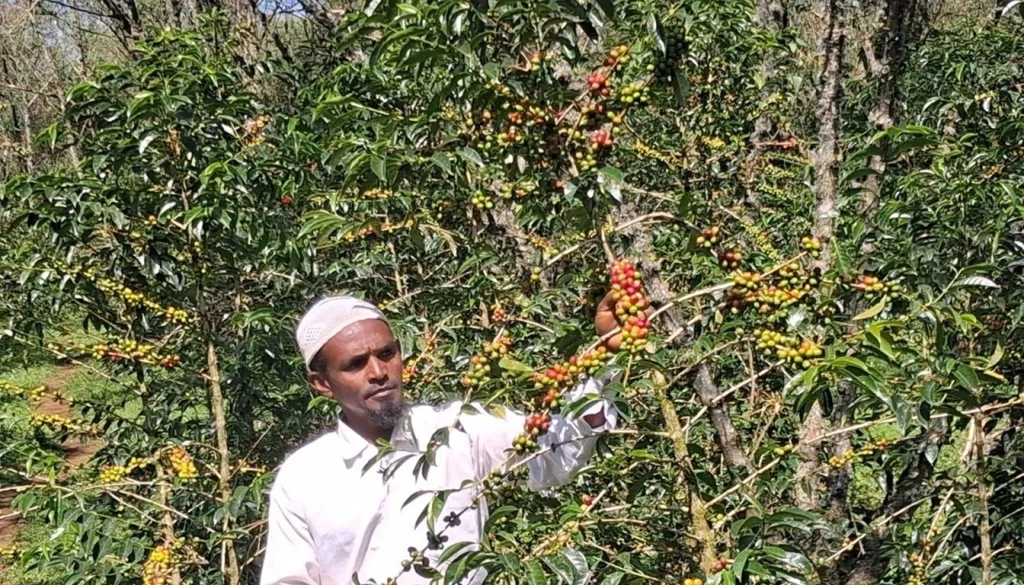
Every cup of coffee you have ever enjoyed owes a debt to the highlands of Ethiopia. Ethiopian coffee is not just another origin on a café menu; it is where the whole story began. Long before coffee shops, espresso machines, or instant sachets, people in this part of the Horn of Africa were already picking red cherries from wild trees and finding out what they could do.
Where It All Began: The Legend of Kaldi
Ask anyone in Ethiopia how coffee was discovered and you will likely hear about Kaldi, a goat herder from the Kaffa region. The story goes that he noticed his goats leaping around with unusual energy after eating the bright red berries of a certain shrub. Curious, he tried them himself and felt the same lift. He took the berries to a nearby monastery, where a monk reportedly threw them into the fire in disapproval. The smell that rose from the roasting beans was so inviting that the monks raked them out, ground them, and soaked them in hot water.
Historians cannot confirm the tale, and the earliest written records of coffee drinking come from Yemen centuries later. Still, the botanical facts back up Ethiopia’s claim. Arabica coffee, the species behind most of the world’s favorite brews, evolved in the forests of southwestern Ethiopia, and wild coffee trees still grow there today. Kaffa, the region in the legend, is widely thought to have given coffee its name.
A Landscape Made for Coffee
Ethiopia’s coffee country sits high, usually between 1,500 and 2,200 meters above sea level. The cool nights, rich volcanic soils, and steady rainfall create slow-ripening cherries with dense, complex flavors. Most of the crop comes from small farmers working tiny plots, often less than a hectare, and many still grow their coffee in the shade of native forest, much as their grandparents did.
This is also one of the most genetically diverse coffee landscapes on the planet. Instead of a handful of standardized varieties, Ethiopia has thousands of local types, often grouped under the label “heirloom.” That diversity is one reason the flavors from one hillside to the next can differ so much, and it is why scientists and coffee breeders worldwide look to Ethiopia as a genetic library for the future of the crop, especially as climate change puts pressure on coffee farms everywhere.
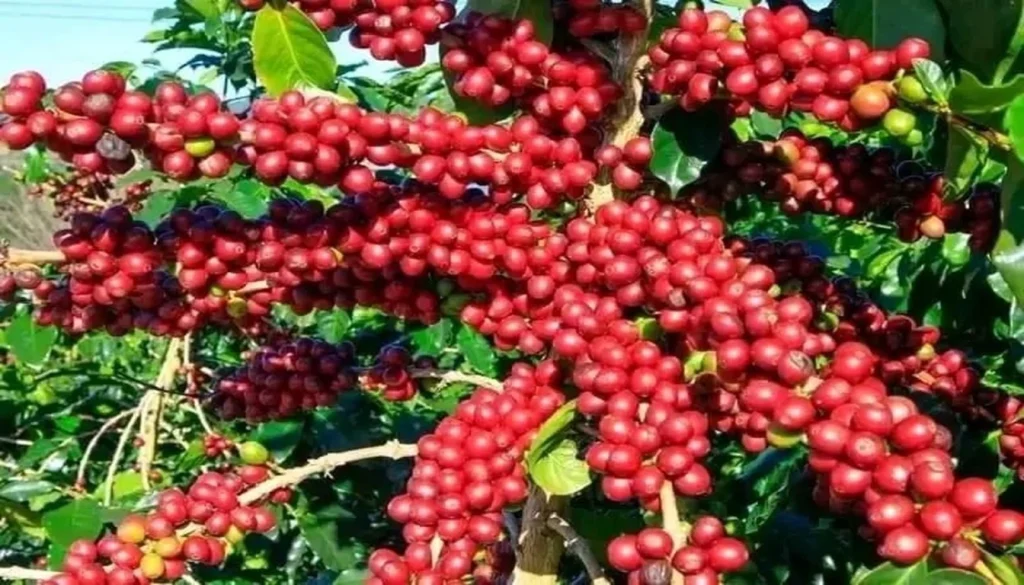
The Flavors: A Tour of Ethiopia’s Great Regions
If you want to understand the taste of Ethiopia, start with its famous growing regions.
- Yirgacheffe is probably the best known. Coffees from this small area in the south are delicate and aromatic, with notes of jasmine, bergamot, lemon, and sometimes a tea-like lightness. Many people who say they don’t like coffee have changed their minds after a good Yirgacheffe.
- Sidamo and Guji sit nearby and tend to deliver brighter, fruitier cups. Think blueberry, peach, and sweet citrus, with a juicy body. Guji in particular has become a favorite among specialty roasters in recent years.
- Harar, in the east, is a different animal altogether. These beans are traditionally dried inside the whole cherry, which gives them a bold, wine-like character with heavy berry sweetness and a hint of spice. Harar coffee has been traded for centuries and has a loyal following across the Arab world.
- Limu and Jimma produce balanced, easy-drinking coffees with mellow acidity, often with a gentle spiciness and sweetness. They are the dependable everyday cups of the country.
How the beans are processed shapes the flavor too. Washed coffees, where the fruit is removed before drying, taste clean, floral, and bright. Natural coffees, dried with the fruit still on, taste fruitier, heavier, and sometimes almost jammy. Ethiopia does both exceptionally well.
More Than a Drink: The Coffee Ceremony
To really understand what coffee means in Ethiopia, you have to sit through a coffee ceremony. It is not a quick caffeine stop. It is an hour or more of hospitality, conversation, and care, and it is still part of daily life in homes across the country.
The host begins by spreading fresh grass on the floor and lighting incense, often frankincense. Green beans are washed and roasted in a flat pan over charcoal, and the host walks the smoking pan around the room so guests can breathe in the aroma. The beans are then ground by hand, traditionally with a mortar and pestle, and brewed in a round-bottomed clay pot called a jebena. The coffee is poured from a height into small handleless cups, usually with a snack like popcorn or roasted barley alongside.
Three rounds are served, and each has a name: abol, tona, and baraka. The last one means “blessing,” and leaving before it is finished is considered rude. In many neighborhoods the ceremony is how news is shared, disputes are quietly settled, and friendships are kept alive. Declining an invitation can feel like turning down friendship itself. Many Africans will recognize this spirit, since sharing food and drink as a form of respect runs deep across the continent.
The Economy Behind the Cup
Coffee is also serious business. Ethiopia is among Africa’s largest coffee producers, and the crop has long been one of the country’s top export earners, often estimated at around a quarter to a third of foreign exchange income. Millions of people, mostly smallholder families, depend on it for their living.
That reliance brings real challenges. Prices swing with global markets, farmers often see only a small slice of the final retail price, and climate change is pushing suitable growing land to higher and higher ground. Cooperatives, direct-trade relationships, and traceability programs have helped some farmers earn more, and the Ethiopia Commodity Exchange has tried to bring more transparency to how coffee is traded. Yet many growers still wish more of the value stayed at home through local roasting, branding, and packaging.
There is encouraging movement on that front. Younger Ethiopians are opening roasteries and cafés in Addis Ababa and beyond, and home-grown coffee culture is growing fast. Across the continent, from Kenya to Rwanda to Uganda, African coffee drinkers are rediscovering what grows in their own backyard.
Why Ethiopia Still Matters
In a world where coffee is so often treated as a commodity, Ethiopia reminds us that it is also a story, a tradition, and a living culture. It is the birthplace of the plant, the home of an unmatched ceremony, and the source of some of the most celebrated flavors in any cup. So the next time you take a sip of something floral, fruity, or wonderfully complex, take a moment to think of the highland farmers who grew it and the families who first made it a ritual. Better yet, find a bag of Ethiopian beans, brew it slowly, and share it with someone. That is exactly how it was meant to be enjoyed.
Bottom Line
Ethiopian coffee is where the world’s favorite drink began, and it is still among the finest you can taste. It carries centuries of ritual, supports millions of farming families, and offers flavors no other origin can quite match. For African readers, it is also a reminder that some of our most valuable treasures are already in our own cups.
Read More
Traditional Nigerian Food You Should Try
African Cuisines Gaining International Attention: Dishes and Food Cultures to Know
Cape Town Weekend Plan: Events, Food & Live Entertainment
Traditional Bedouin Iftar Dishes in Sinai: Ramadan Food and Customs
