
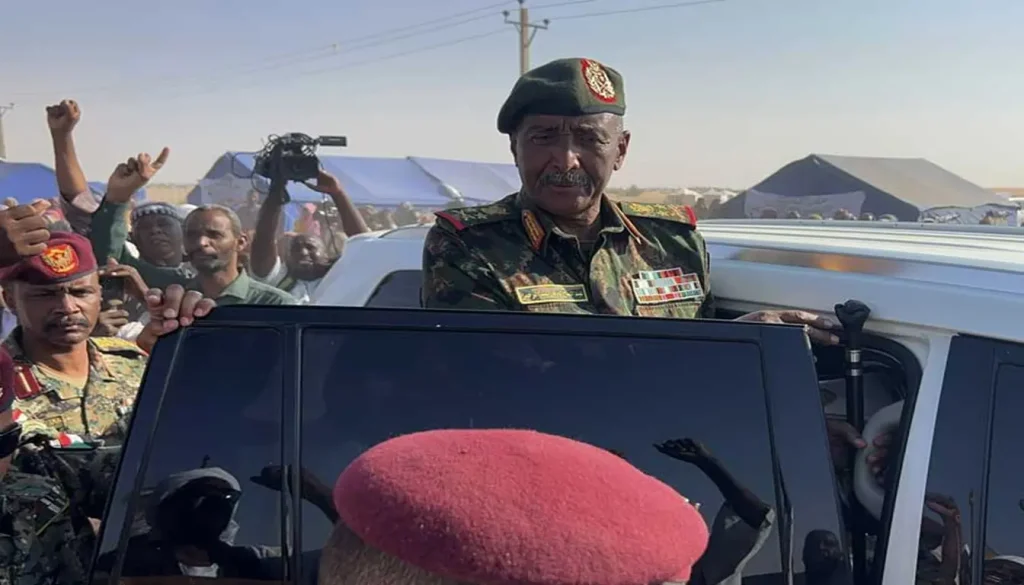
International pressure is mounting on Sudan over allegations of chlorine-based chemical weapons use, as five countries call for transparent investigations at the OPCW.
Sudan is facing renewed international scrutiny over allegations that its armed forces used chlorine-based chemical weapons during the country’s ongoing conflict with the Rapid Support Forces (RSF). The United States, Germany, Australia, Finland and Belgium pressed Sudan for answers during the 113th session of the Executive Council of the Organisation for the Prohibition of Chemical Weapons (OPCW), held in The Hague from October 6 to 9, 2026.
The United Kingdom and the European Union also raised concerns, urging Sudan to clarify the allegations and provide the findings of its national investigation. The diplomatic pressure follows investigative reports published in September that described evidence of an alleged programme to develop, test and stockpile chlorine-based munitions.
Although the allegations have prompted growing concern among international partners, questions remain about the full circumstances of the reported incidents and the extent of any chemical weapons programme. The demand for transparent investigations has therefore become central to the international response.
What Happened at the OPCW Meeting?
The OPCW Executive Council’s 113th session brought renewed attention to allegations of chemical weapons use in Sudan. Statements from several participating countries called for a credible account of the reported activities and greater cooperation with the international chemical weapons watchdog.
Germany urged Sudan to complete a thorough national investigation, publish its findings promptly and cooperate fully with the OPCW. Australia referred to an interim report from Sudan’s national investigation and called for a genuine and transparent account of any non-compliance with the Chemical Weapons Convention.
Finland called for the allegations to be addressed promptly, objectively and transparently, while Belgium expressed concern that Sudan’s responses had not adequately addressed the seriousness of the claims.
The United Kingdom also called on Sudan to complete its national investigation and share the findings with the OPCW. The European Union raised the matter under Article IX of the Chemical Weapons Convention, which provides a framework for consultation and clarification between states over concerns relating to compliance.
These interventions demonstrate the growing diplomatic demand for answers. However, calls for clarification and investigation should not be confused with a final determination of responsibility.
The Allegations Against the Sudanese Armed Forces
The allegations concern the possible use of chlorine-based munitions by the Sudanese Armed Forces (SAF) in its conflict with the RSF. The war, which began in April 2023, has caused widespread destruction and a severe humanitarian crisis across Sudan.
The United States previously determined that chemical weapons had been used in Sudan in 2024 and subsequently imposed sanctions. More recent media investigations have added to the scrutiny by reporting evidence that allegedly points to a programme involving the production and storage of chlorine-based munitions.
The Sudanese military has rejected the allegations reported by The New York Times. According to the newspaper’s reporting, a military spokesperson described its findings as baseless and lacking a material foundation and threatened legal action in a US court.
Sudan’s Ministry of Foreign Affairs has also disputed Washington’s allegations, saying in July that the United States had not presented evidence and that Sudan had offered to host US experts for on-site verification.
The competing claims underline the importance of independent examination. Establishing whether chemical weapons were developed, stored or used in particular incidents requires careful assessment of the available evidence and the relevant legal standards.
What the September Investigations Reported
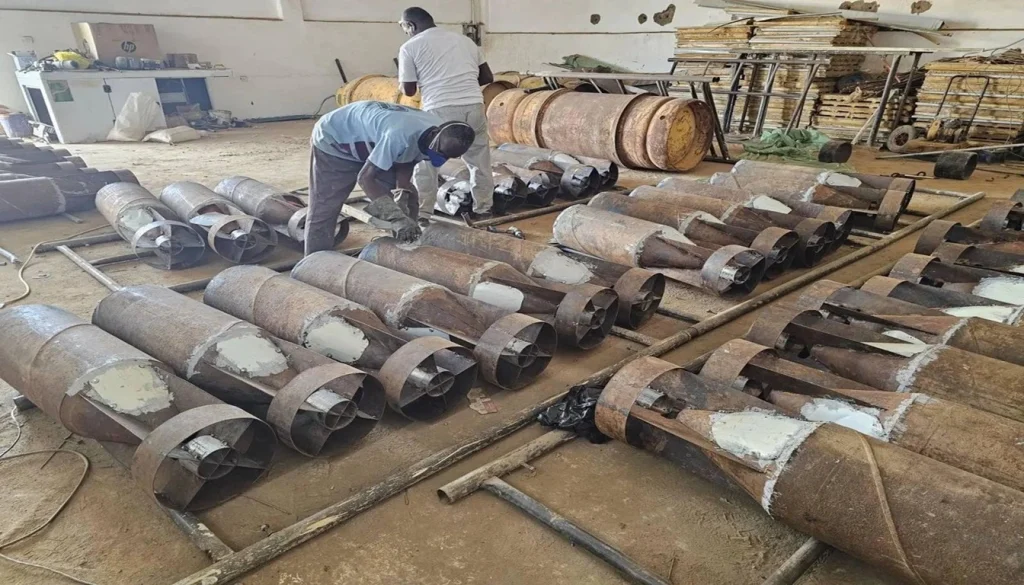
Investigations published by The New York Times and The Washington Post on September 5, 2026, intensified international attention on the allegations. The reports described material said to indicate that a secretive Sudanese military programme had developed, tested and stockpiled chlorine-based munitions.
According to the reporting summarised by EU Reporter, the material included approximately 150 documents, photographs, video clips and recordings, alongside thousands of text messages obtained from the phones of senior Sudanese military officers.
The New York Times reported that messages and correspondence involving army chief General Abdel Fattah al-Burhan suggested he may have had direct knowledge of the programme. These claims have significant implications if substantiated, but reported communications must be assessed in context before conclusions can be drawn about individual knowledge or responsibility.
The Arms Control Association’s October coverage also described a dossier that allegedly contained evidence of chlorine production and military activity during 2024. It noted that the source of the material supplied to the New York Times had not been publicly identified.
The provenance, authenticity and interpretation of such material are important considerations. Media investigations can provide information relevant to an inquiry, but they do not replace an authoritative assessment of whether prohibited activities occurred and who was responsible.
What Role Can the OPCW Play?
The Organisation for the Prohibition of Chemical Weapons oversees implementation of the Chemical Weapons Convention, the international treaty prohibiting the development, production, stockpiling, transfer and use of chemical weapons by states parties.
Sudan is a party to the Convention and is therefore bound by its obligations. Allegations of chemical weapons use raise questions about compliance with those obligations and the need for credible verification.
Article IX provides procedures through which states parties can seek clarification and address concerns about compliance. In Sudan’s case, the OPCW has reported that the parties have engaged in dialogue under the Executive Council’s oversight.
However, the organisation’s role has important limits. In its reporting to the Executive Council, the OPCW has said that it continues to monitor developments in Sudan and that the matter remains under the purview of states parties. It has also noted that it has not received a sufficiently substantiated request for additional activities in this case.
The distinction matters: diplomatic scrutiny, national investigations and independent technical verification are not interchangeable. Any further steps must follow the Convention’s procedures and the authority granted to the organisation.
A credible investigation would help clarify the available evidence, establish the facts surrounding the allegations and determine what additional action may be appropriate under international law.
US Sanctions and the Wider Diplomatic Consequences
Washington has taken a more punitive approach than the other countries raising concerns. On April 24, 2025, the US government determined that Sudan’s government had used chemical weapons in 2024. The determination was announced publicly on May 22 that year.
The United States imposed its first round of related sanctions on June 27, 2025, restricting US exports and Sudan’s access to US government credit. A second round took effect on July 20, 2026, expanding the restrictions, according to the reporting published by EU Reporter.
At the OPCW, the United States has called for transparent access and independent verification, arguing that Sudan’s national investigation alone cannot resolve the international concerns.
The sanctions add economic and diplomatic pressure to the demands for an investigation. Their wider effects depend on the measures imposed, the response from Sudanese authorities and any subsequent decisions by the United States or other governments.
The allegations could also affect Sudan’s position within the OPCW. The United States has indicated that it may revisit its approach to Sudan’s seat on the Executive Council if the issue is not resolved satisfactorily. Any change in representation would, however, depend on the organisation’s applicable procedures and decisions by its member states.
Implications for Sudan and International Accountability
The growing scrutiny over alleged chemical weapons use comes as Sudan continues to experience a devastating armed conflict and humanitarian emergency. Any confirmed use of chemical weapons would raise serious concerns about civilian protection, compliance with international law and accountability for prohibited conduct.
For Sudan, completing a credible investigation and cooperating transparently with the OPCW could help address the questions raised by international partners. Conversely, continued uncertainty may sustain diplomatic pressure and deepen concerns about compliance with the Chemical Weapons Convention.
For the international community, the challenge is to ensure that allegations are investigated rigorously rather than resolved through political assertions alone. Evidence must be assessed objectively, relevant parties should have an opportunity to respond, and any findings should be communicated transparently.
The distinction between allegations and established facts remains essential. Accountability depends not only on the seriousness of the claims but also on the reliability of the evidence and the fairness of the process used to assess it.
Conclusion: Calls for Answers, Not Assumptions
The demands from the United States, Germany, Australia, Finland and Belgium, alongside concerns raised by the United Kingdom and European Union, have placed Sudan’s alleged chemical weapons activities firmly on the international agenda.
The September investigations have intensified calls for clarification, while the OPCW’s proceedings have highlighted the need for cooperation and credible verification. The next steps will depend on the progress of Sudan’s national investigation, the information made available to the organisation and decisions taken by its member states.
Ultimately, transparent findings are essential to determine what happened, assess compliance with international obligations and establish accountability where wrongdoing is proven.
Read More
Sudan Paramilitary Drone Strike Kills 41: Displaced Families Hit Again Near the Ethiopian Border
South Sudan Elections: Ramaphosa and Kiir Push for a Vote Africa Can Trust
Empty Pumps, Rising Prices: Sudan’s Fuel Crisis Hits Kitchen Tables
South Sudan Transitional Government Dissolved: What Happens Next Before Elections
More Than 55,000 Sudanese Flee to Chad in 2026: Why Refugee Arrivals Have Suddenly Surged 20-Fold
