
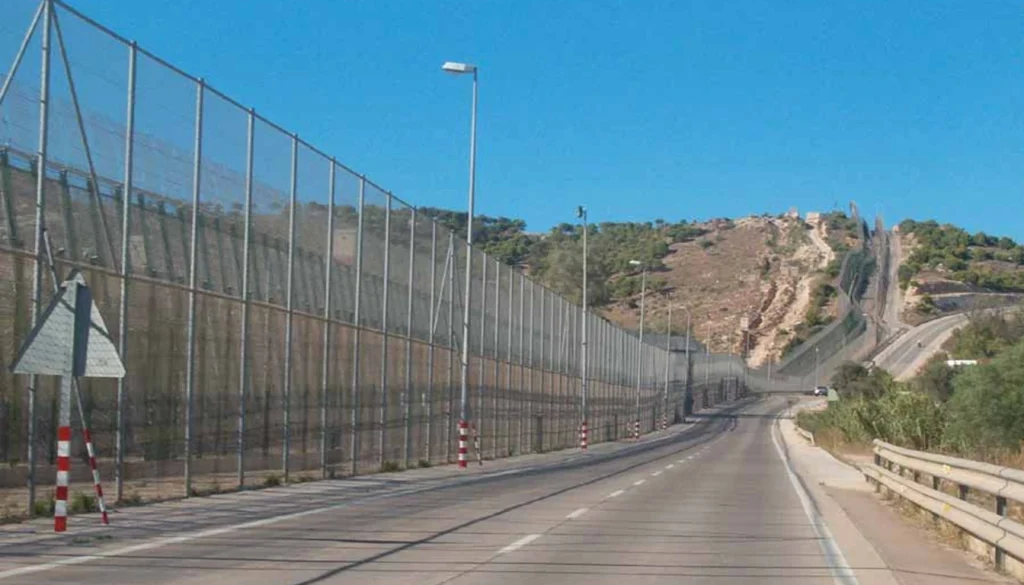
Few places show Europe’s border politics as sharply as Ceuta, a Spanish-run city on Africa’s northern coast. The Spain Morocco migration crisis was the backdrop when King Felipe VI arrived there this week. He asked for “good neighbourly relations” with Rabat.
A royal first since 2007
The visit was the first to Ceuta by a Spanish monarch since 2007. Queen Letizia joined the king. He reaffirmed Spain’s sovereignty over Ceuta and Melilla, which Morocco claims, and said their status is not up for negotiation. In the same breath, he stressed the need to keep cooperating with Morocco. The royal couple also visited a cemetery to honour migrants who died trying to reach the city, many of them drowned while swimming around the border barriers.
The July surge
Africanews reports that more than 70,000 migrants entered Ceuta on 30 and 31 July. Many were returned to Morocco within hours, and scores died. Thousands stayed on for weeks, sleeping rough on the streets and the beach. Spanish police cleared the last major camp just before the visit, though reports say some teenage migrants are still living outdoors.
Politics on both sides
The timing is delicate. Spain votes in a general election on 29 November, and migration is a hot issue. Some opposition politicians accuse Morocco of using migration as a political weapon. Rabat rejects that, and so does Prime Minister Pedro Sánchez. Morocco’s King Mohammed VI criticised what he called irresponsible statements and said cooperation should never be subject to pressure or blackmail. For now, Spain Morocco relations rest on both capitals needing each other.
An African story too
This is not only a story about borders. The deaths in Ceuta raise hard questions about safe routes, legal pathways and the protection of people seeking asylum or a better life. Not everyone who makes these journeys has the same needs or legal status, but all of them face real danger at the crossing. For African families, the Morocco migration crisis is personal.
Spain’s foreign policy now has to balance sovereignty, a vital partnership and human lives. Warm words from a king will not settle that. Lasting answers will need working asylum systems and fewer deadly crossings.
Read More
Migrant Dreams Become Nightmares in Tunisia Under Anti-Migration Policies
Refugees in Durban brace for September 30 deadline set by anti-immigration group
What Are the Immigration and Border Changes of July 2026 in the African Countries?
South Africa’s Immigration Crackdown: What Foreign Workers Need to Know
