
Nigerians finally have a little good news on prices, though most will believe it when they see it at the market. The Nigeria inflation rate slowed to 14.63% in September 2026 from 15.39% in August, according to the National Bureau of Statistics. That is the third monthly fall in a row, and Nigeria inflation in September 2026 is well below the 20.98% recorded a year earlier.
What the Numbers Say
The monthly picture looks even calmer. Prices rose just 0.06% between August and September, compared with 0.71% the month before. Urban inflation stood at 15.64% year on year, while rural inflation was lower at 12.46%. Taken together, the figures suggest consumer prices are rising more slowly than they have in a long while.
Why Many Still Feel Squeezed
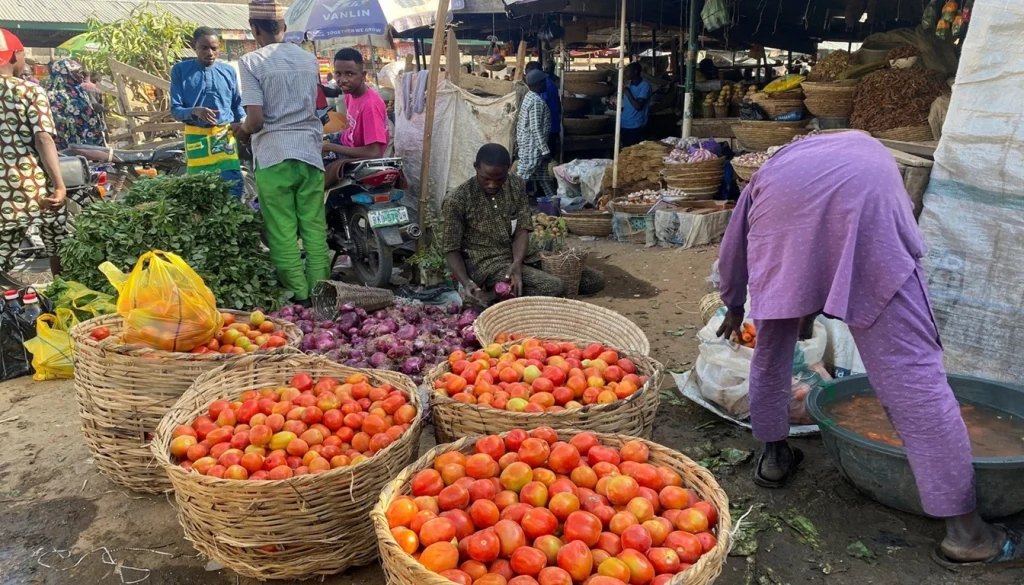
Here is the catch. A lower inflation rate does not mean prices are falling. It means they are climbing at a slower pace, on top of the increases households have already absorbed. Food inflation remains the sore point at 19.59% year on year, well above the headline figure. For families who spend most of their income on rice, beans, garri and cooking oil, that matters more than any national average.
Cost of living in Nigeria is shaped by more than the monthly data. Transport fares, rent, school fees and electricity bills all weigh on household budgets, and wages in many sectors have not kept up. A trader in Lagos or a teacher in Kano may well ask who exactly is feeling the relief.
What Comes Next
Analysts will now watch whether the trend holds and what it means for the Central Bank’s next interest rate decision. A steadier Nigerian economy would be welcome news for businesses, but the real test is whether easing inflation shows up in the shopping basket. Until food prices come down in a way people can feel, the official number will keep feeling distant from daily life.
Read More
Ghana Gets Its Last IMF Disbursement: What $371 Million Means to the Economy and Inflation
South Africa’s Inflation Holds Steady as Central Bank Decision Looms
Kenya: Inflation down to 4.3% in July
Weak Currencies Driving Up Inflation In Sub-Saharan Africa: What Are Governments Doing?
Top 10 African Countries With The Highest Inflation Rates In 2025
