
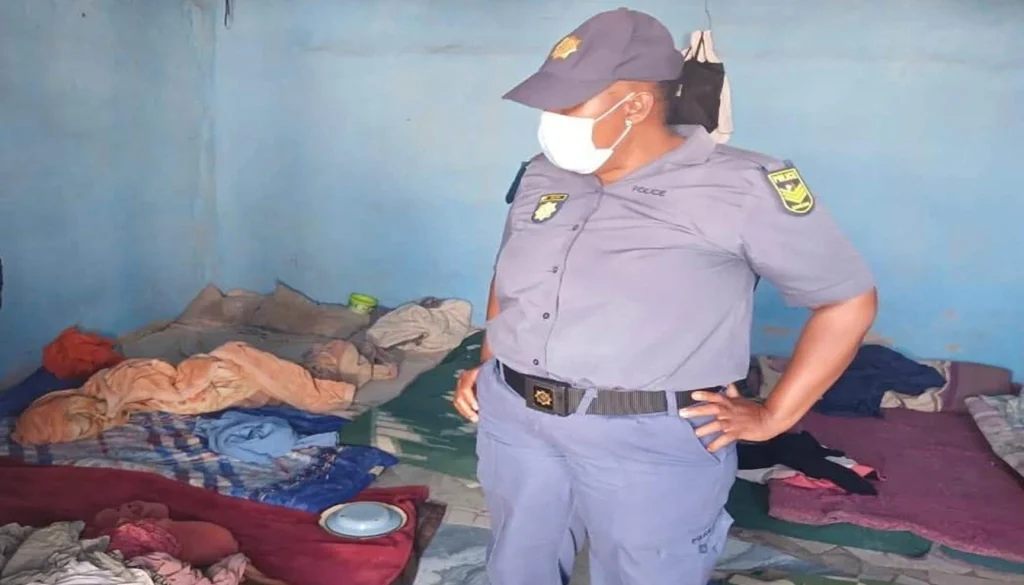
Police in Mpumalanga walked into a scene many South Africans hoped belonged to the past. At a church-run South Africa rehab centre in Siyabuswa, officers found about 200 people, some of them chained, in a place with no licence to treat anyone. It is the latest of the patients rescued in chains stories to shake the country.
What Police Found
Police spokesperson Donald Mdhuli said about 30 of those found were women and the rest were men. Some came from Soweto, Springs and Rustenburg, far from where they were being held. When officers arrived, a man and a woman at the property reportedly said they ran a small rehab with only six residents. The real number was many times higher. Social development officials joined the inspection and confirmed the facility was operating illegally. The pastor and his wife are now under investigation, and police say they are still working out how the centre was set up and run.
A Pattern South Africans Know Too Well
This is not new. In 2020, the Human Rights Commission raided an unregistered church rehab near Polokwane and freed 70 people, some chained from hand to ankle. That same year, officials in Moretele, North West, found young men chained inside a shack, each charged R6,000 for treatment. Each time, the patient abuse allegations sounded alike: beatings, chains, filthy rooms and families paying for it.
The law is clear. In South Africa, nobody can be committed to rehab against their will without a court order. Chaining a person up, whatever the intention, is not treatment.
Why Families Keep Turning to Unregistered Centres
Anyone who has watched a child or sibling sink into nyaope or alcohol knows the desperation. Private rehabs can cost a fortune, and public beds are scarce. Unregistered places charge far less, and some families swear they work. Online, reactions to the Siyabuswa raid were split, with some praising the centre and others horrified.
Both reactions point to the same gap. When affordable, legal treatment is out of reach, families will trust a pastor with a padlock.
South African authorities now face two jobs: holding the operators to account, and making sure the 200 people found are cared for properly. Closing one door means little if the next suspected illegal rehabilitation centre opens down the road.
Read More
South Africa Weight-Loss Drug Rules Tighten: What It Means for Ozempic Users
Navi Pillay Nobel Peace Prize: The South African Judge Who Never Looked Away
Why South African Reserve Bank Is on Alert: Prices, Wages and Worry Follows
“Every Man Has a Role”: South African Men Take a Stand Against Gender Violence
Mystery Murder of South African Women Hits 10 Bodies: What Police Know about Recent Murders
