
Ask most visitors what Africa offers and they will talk about lions, elephants and wide savannah sunsets. Fair enough, but the continent has more than 30,000 kilometres of coastline, and the African coastal towns along it are some of the most rewarding places you can visit. Fishing boats, old stone streets, slow afternoons and food pulled from the sea hours earlier: this is a different Africa, and a lot of Africans have yet to see it.
If you are tired of the same itinerary, here are seven African coastal destinations that deserve a place on your list.
1. Essaouira, Morocco: Wind, Walls and Fresh Sardines
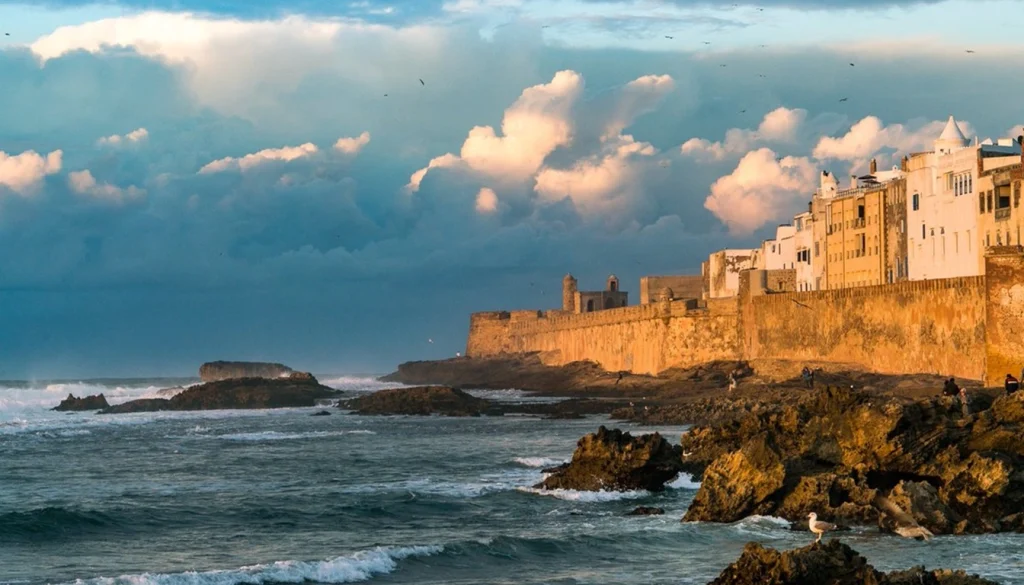
Essaouira sits on Morocco’s Atlantic coast, protected by thick sea walls and old Portuguese-built ramparts. The medina is a UNESCO World Heritage Site, and it is far calmer than Marrakech, which is a few hours inland. Walk the ramparts at sunset, then head to the port, where fishermen sell the day’s catch and you can pick your own fish to be grilled on the spot.
The steady wind also makes this one of the best spots in North Africa for kitesurfing and windsurfing. Even if you never touch a board, watching the colourful sails from the beach is entertainment enough.
2. Lamu, Kenya: Where Time Moves at Donkey Pace
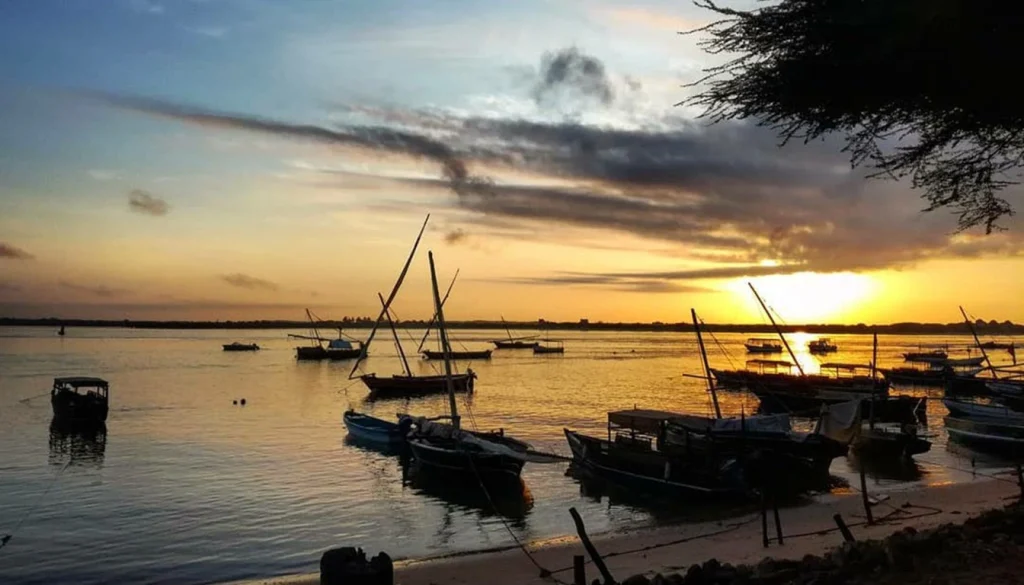
Lamu Old Town is the oldest continuously inhabited Swahili settlement in East Africa, and it feels like it. There are almost no cars on the island. People get around on foot, by boat or by donkey. Narrow alleys, carved wooden doors and coral-stone houses give the place a character you will not find on Kenya’s busier beaches.
Take a dhow at sunset, eat fresh seafood with coconut rice, and give yourself at least three days. Anything shorter and you will spend the trip wishing you had stayed longer. Lamu is a strong example of why coastal tourism in Africa works best when visitors slow down.
3. Kribi, Cameroon: Waterfalls That Meet the Ocean
Kribi is one of those places Cameroonians tend to keep for themselves. Palm-fringed beaches stretch along the Gulf of Guinea, and the Lobé Falls, among the few waterfalls in the world that drop straight into the sea, are a short trip away. Local Batanga fishing communities still shape daily life here, and grilled fish with bobolo, a cassava stick, is the meal to order at a beachside stall.
Kribi has long been a weekend escape for people from Douala and Yaoundé, which tells you something. It is one of the best coastal towns in Africa that has not yet been overrun with tour buses.
4. Saint-Louis, Senegal: A Colonial Island with a Musical Soul
Saint-Louis was once the capital of French West Africa, and its island centre, also a UNESCO World Heritage Site, still shows it in the balconies and pastel buildings along the Senegal River. But the town is more than architecture. It is known across West Africa for its jazz festival, held every year, which pulls in musicians and fans from across the region.
Cross the bridge to the Langue de Barbarie, a thin strip of sand between river and ocean, where fishing pirogues line the shore in bright colours. It is one of those hidden gems in Africa that rewards people who like culture as much as beaches.
5. Ilha de Moçambique, Mozambique: A Living Museum on the Indian Ocean
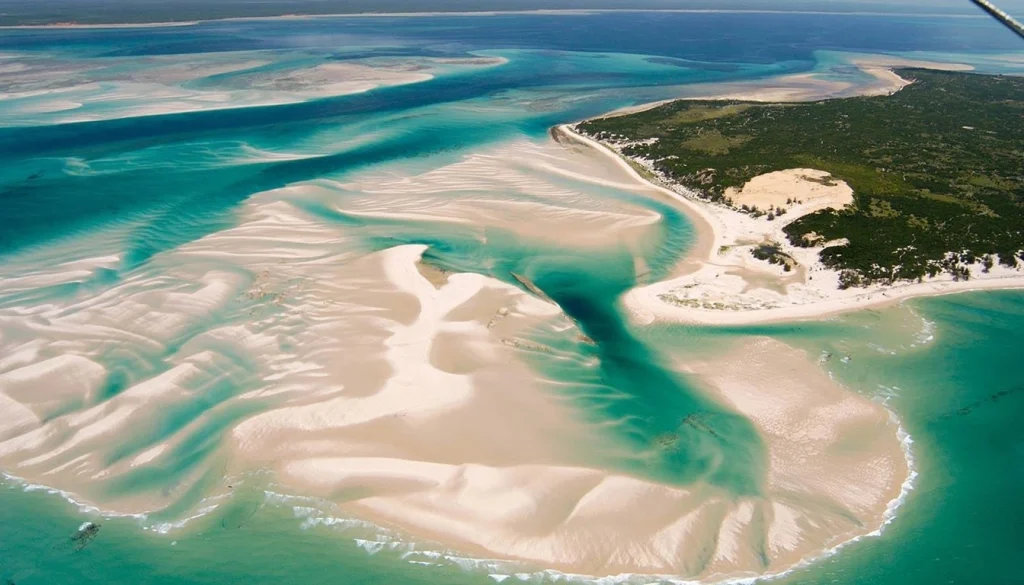
This tiny island off Mozambique’s northern coast was once the Portuguese capital of the colony and a major stop on the Indian Ocean trade routes. Today it is quiet, a little worn at the edges and deeply atmospheric. The Fortress of São Sebastião, built in the 1500s, still stands at the northern tip, and the chapel beside it is among the oldest European buildings in the southern hemisphere.
The island is connected to the mainland by a long, narrow bridge. Stay in a restored townhouse, wander through the stone town and the reed-built Makuti quarter, and eat prawns with piri-piri. You will not find many other tourists, and that is exactly the appeal.
6. Swakopmund, Namibia: Desert Meets Atlantic
Few places feel as strange as Swakopmund. German colonial buildings sit along a cold Atlantic shore, with the Namib Desert pressing in right behind them. The result is a seaside town unlike any other on the continent. Sandboarding down giant dunes in the morning and eating fresh oysters by the water in the afternoon is perfectly normal here.
Adventure seekers can try quad biking, skydiving or a boat trip to see seals and dolphins. If you like your beach holidays with a bit of adrenaline, this is the one.
7. Busua, Ghana: Surf, Fishing and Easy Evenings
Busua, in Ghana’s Western Region, is one of the more relaxed African beach towns. A long curve of golden sand, a gentle surf break and a handful of small guesthouses make up most of the place, and that is the point. Beginners can take surf lessons in the morning, and the afternoon belongs to the hammock.
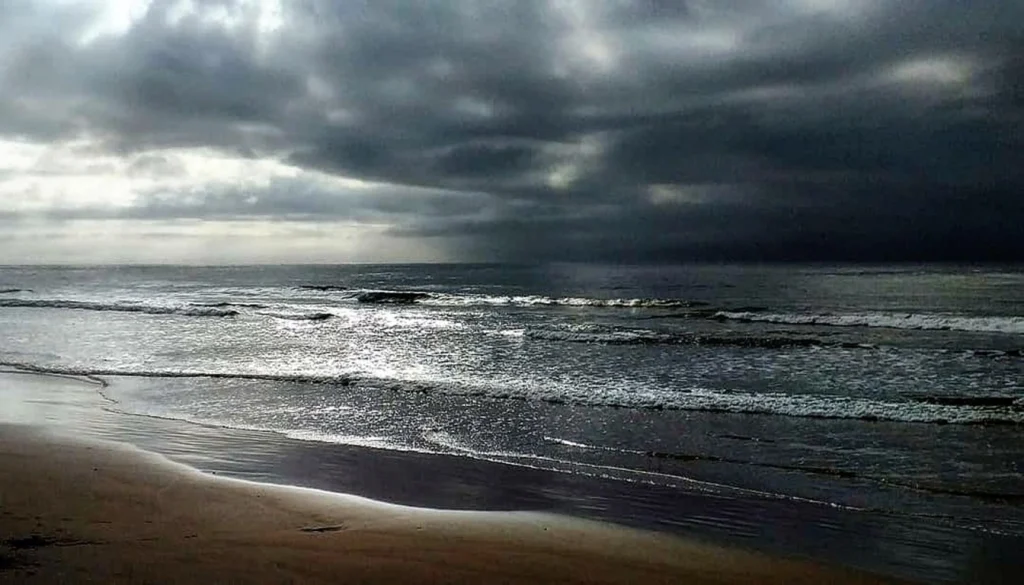
Nearby, the old forts at Dixcove and Princess Town tell the story of the Gold Coast’s role in the Atlantic trade. Combine the history with the beach and you get a trip that feels both restful and meaningful.
How to Plan Your Coastal Trip
A few practical points apply across most of these places.
- Pick your season: Weather differs sharply from coast to coast. East African and Indian Ocean destinations are usually best in the drier months, while Atlantic coasts like Essaouira and Swakopmund can be cool and windy even in summer, so pack a jacket.
- Travel light and travel local: Many African seaside villages and small towns run on cash and small guesthouses. Carry some local currency, and eat where the locals eat. The best seafood rarely comes from the hotel restaurant.
- Respect the community: Fishing is the livelihood for many of these towns. Ask before photographing people, buy directly from fishers where you can, and choose locally owned stays so your money stays in the community.
- Go slowly: These places are not made for ticking off sights. They reward long lunches, evening walks and conversations with strangers.
Why These Towns Matter
Africa’s coastline is shaped by trade, migration, music and food in a way no inland park can match. Each of these towns carries a different story, from Swahili merchants to Portuguese traders to Atlantic fishing families. Visiting them supports local economies in a way that large resorts often do not.
For African travellers, there is also something worth saying plainly. You do not need a passport stamp from Europe or Asia to find a great seaside break. Some of the best coastal towns in Africa are a bus ride or a short flight from home.
Final Thoughts
Safaris will always have their place, and nobody is suggesting you skip them. But if you build a trip around a harbour, a fortress or a quiet stretch of sand, you will see a side of the continent that few brochures show. Pick one of these seven towns, book a few nights, and let the coast set the pace.
Read More
New Uganda Tourism Branding Campaign: Is It Going to Bring More Tourists to the Country?
Eco-Tourism Funding Supports Conservation at Masoala National Park in Madagascar
Is Safari Tourism Helping or Hurting Africa?
Green Gold Rush: How Africa’s Eco-Tourism Boom Is Redefining Luxury Travel
