
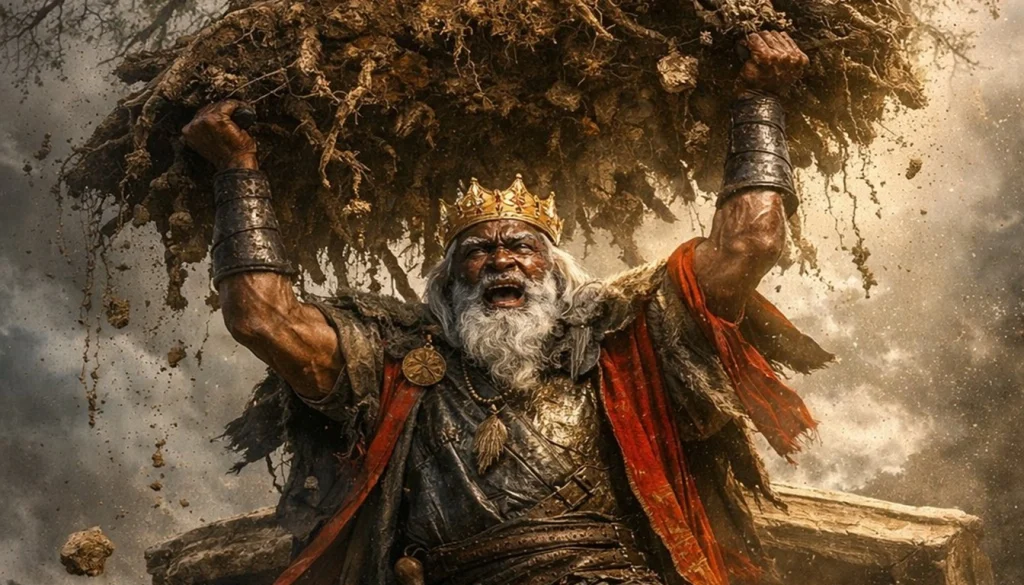
Africa has never run short of stories. African Animation has spent two decades proving that the continent’s characters can charm audiences from Lagos to Los Angeles, yet the biggest profits from those characters have often landed somewhere else.
That gap between creativity and ownership is the real story. Africa has talent, folklore and a young audience hungry to see itself on screen. What it lacks, for now, is the money, the infrastructure and the legal muscle to turn a hit show into a lasting empire.
The Characters Are Already Here
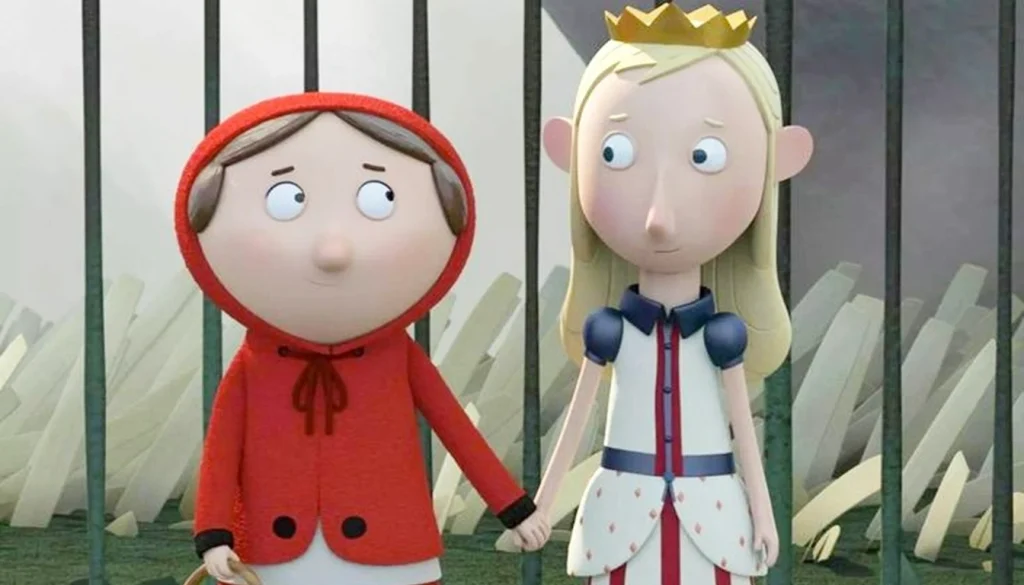
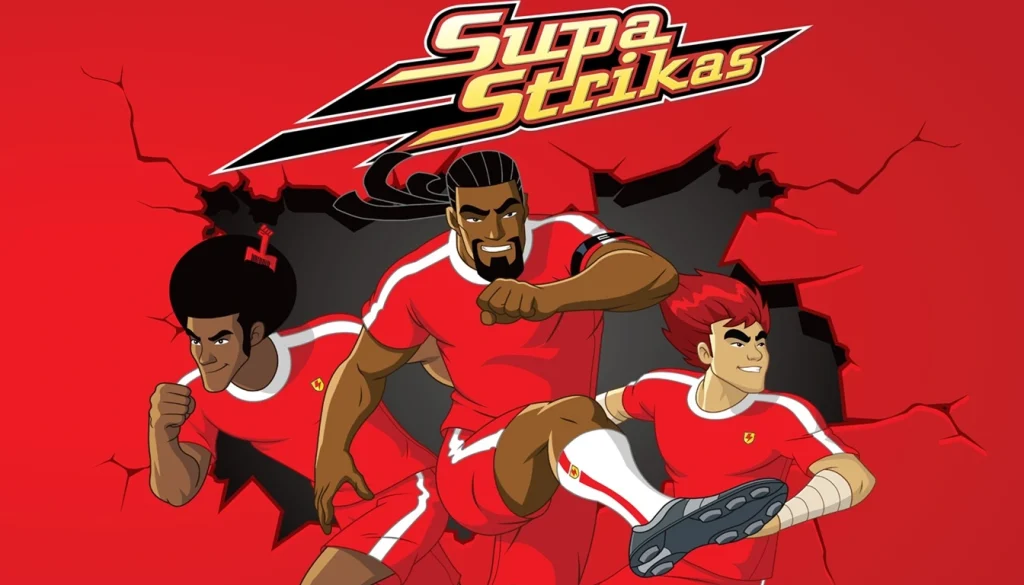
Think about how many African animated characters children recognise. Supa Strikas, the football-mad team born in South Africa, has been read in comics and watched on television across dozens of countries. Triggerfish, the Cape Town studio, gave the world Khumba and Adventures in Zambezia, and its work on Revolting Rhymes earned an Oscar nomination. Netflix backed Mama K’s Team 4, a superhero series set in a futuristic Lusaka. Disney partnered with Lagos-based Kugali to make Iwájú, a sci-fi story rooted in Nigerian city life.
These are not small achievements. Ten years ago, a Nigerian or Kenyan child could scroll through cartoon channels and find almost nobody who looked or sounded like them. Today that is changing, slowly but visibly.
So What Is Holding the Industry Back?
The honest answer is money, and where it sits. A feature-length animated film can cost tens of millions of dollars. Most African animation studios work with a tiny fraction of that. Many survive on service contracts, doing animation work for foreign productions, which keeps the lights on but rarely builds anything the studio actually owns.
Then there is distribution. A show can be brilliant and still vanish if no broadcaster or streamer picks it up. African television buyers often pay very little for local content, so producers look abroad, and that is where the terms get tricky.
Training is another weak spot. Skilled animators, riggers, background artists and sound designers take years to develop. Too many of them leave for Europe, North America or the Gulf once they get good, because the local job market cannot match what they are offered.
Owning the Idea Versus Owning the Brand
Here is the heart of the matter. Having your story told by a global giant is exciting, and it opens doors. But a character is only as valuable as the rights attached to it. A franchise earns money from toys, clothes, games, books, theme parks and licensing deals that go on for decades. The studio that holds those rights collects the bigger share.
When an African creator signs away intellectual property early, perhaps because they need the funding badly, the continent may gain visibility but lose long-term income. That is the quiet tension behind the question in this article’s title. Seeing African faces on screen is wonderful. Seeing African companies earn from those faces is the next, harder step.
Think of what Japan did with anime or what Disney did with a single mouse. Those global animation franchises were built over generations, with patient investment, strong copyright protection and a home market that supported them first. Africa’s own audience of well over a billion people, with a median age under 20, could be that home market if the right platforms reach them at the right price.
Where African Storytelling Has an Edge
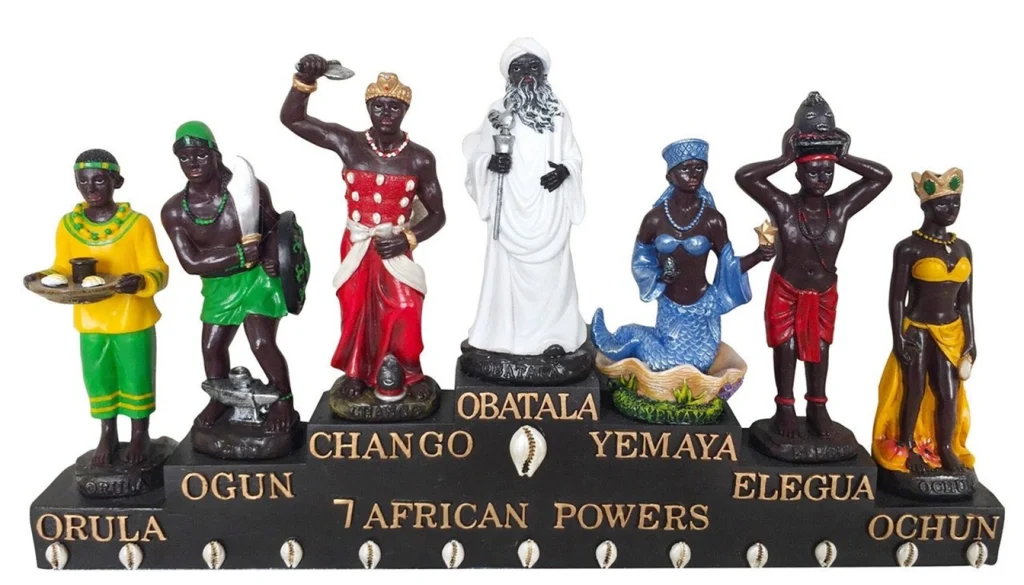
Every global hit starts with something specific. African storytelling carries a huge, mostly untapped library: Anansi tales from Ghana, the moonlight stories told by grandmothers across West Africa, Yoruba and Zulu mythology, the epic of Sundiata, tales of the Swahili coast. Much of the world knows Greek and Norse gods better than it knows the Orishas, and that is a missed chance for everyone.
The continent’s urban energy is a resource too. Lagos traffic, Nairobi matatus, Johannesburg street fashion and Accra music scenes can fuel fresh, modern stories that feel nothing like recycled Hollywood plots. Audiences everywhere are tired of sameness. Afrobeats, Nollywood and Amapiano have already shown that African culture travels well when it arrives on its own terms.
The Business Case for the African Creative Economy
Governments often talk about oil, minerals and agriculture, and rightly so. But the African creative economy deserves a seat at the same table. Film, music, fashion and animation create jobs for young people without needing heavy industry or large land holdings. A single studio can employ writers, illustrators, voice actors, musicians, coders and marketers under one roof.
Some countries have begun to notice. Tax incentives, film funds and training academies are appearing in South Africa, Kenya, Nigeria, Egypt and elsewhere. Animation festivals and industry meetups give studios a place to find co-production partners. These are good beginnings, though they need to grow in scale and consistency.
What Needs to Happen Next
A few practical steps would help African animation studios move from supplier to owner.
- Keep the rights: Creators should negotiate harder on intellectual property, and they need lawyers who understand entertainment contracts. Industry bodies can share templates and advice so no studio has to learn the lesson alone.
- Build local funding: Development banks, private investors and diaspora money can back original projects rather than only service work. Patient capital that accepts a five-to-ten-year horizon matters more than flashy one-off grants.
- Pool the audience: The continent is divided by language, currency and borders, which makes cross-border distribution slow. A show that works in Swahili, Hausa, Amharic, French and English, with dubbing done properly, could reach far more people than any single country allows.
- Invest in the pipeline: Schools, bootcamps and mentorships will keep skilled people at home. When a young animator in Kumasi or Kigali can see a real career without leaving, the whole industry gets stronger.
- Think beyond the screen: Games, comics, merchandise and music tie-ins turn a series into a business. Supa Strikas understood this early, and others can follow.
The Verdict
Can Africa build the next global animation franchise? Yes, though not by accident and not overnight. The characters exist. The stories are rich. The audience is growing by the day. What remains is the less glamorous work of contracts, funding, training and patience.
If the African animation industry gets that right, the next beloved cartoon hero may well be born in Accra, Nairobi or Dakar, and the profits will stay where the story began. The question is no longer whether African creators can imagine it. It is whether the rest of us will build the systems that let them own it.
Read More
KPop Demon Hunters Smashes Netflix Records With 481M Views, Redefining Global Streaming Hits
The Most Rewatched African Series of 2026 So Far
