
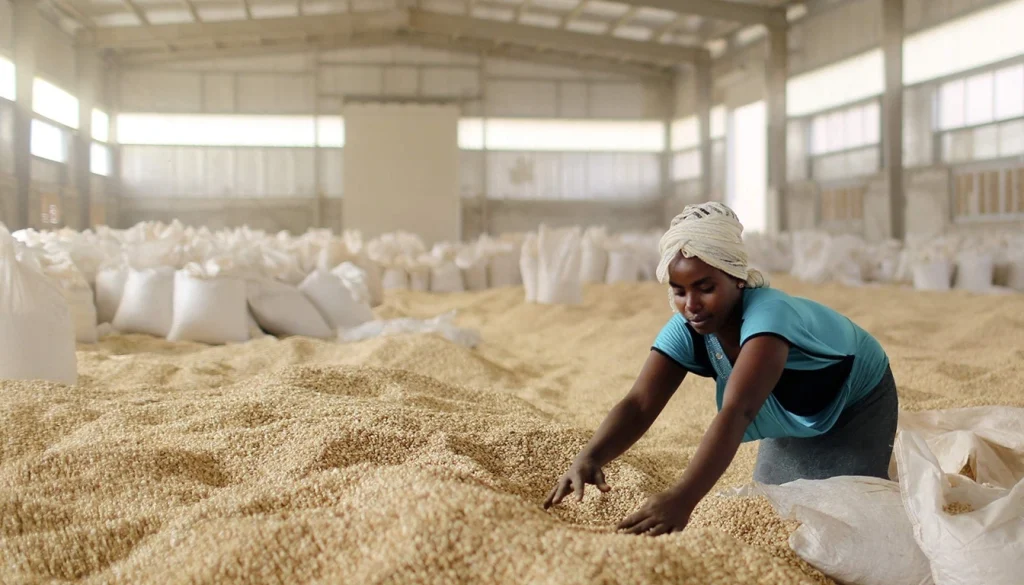
Long before “superfood” became a marketing label in supermarket aisles abroad, African families were already eating this way. African Superfoods are not a new trend; they are the grains, leaves, seeds and tubers that have fed communities across the continent for centuries. Today, nutritionists are catching up with what our elders practised daily. Below are ten African traditional foods that deserve a permanent place on your plate.
Why Our Own Food Deserves a Second Look
African nutrition has been shaped by climate, soil and survival. Crops that thrive in heat, drought and poor soil tend to be dense in fibre, minerals and plant compounds. Many of these indigenous African crops are also cheap, local and easy to grow, which makes them a practical answer to both hunger and hidden hunger, the lack of vitamins and minerals even when people have enough to eat.
Yet in many cities, white rice, white bread and packaged noodles have quietly pushed these foods aside. Rediscovering them is not about nostalgia. It is about building an African healthy diet that is affordable and rooted in what our land already gives us.
1. Baobab: The Tree of Life
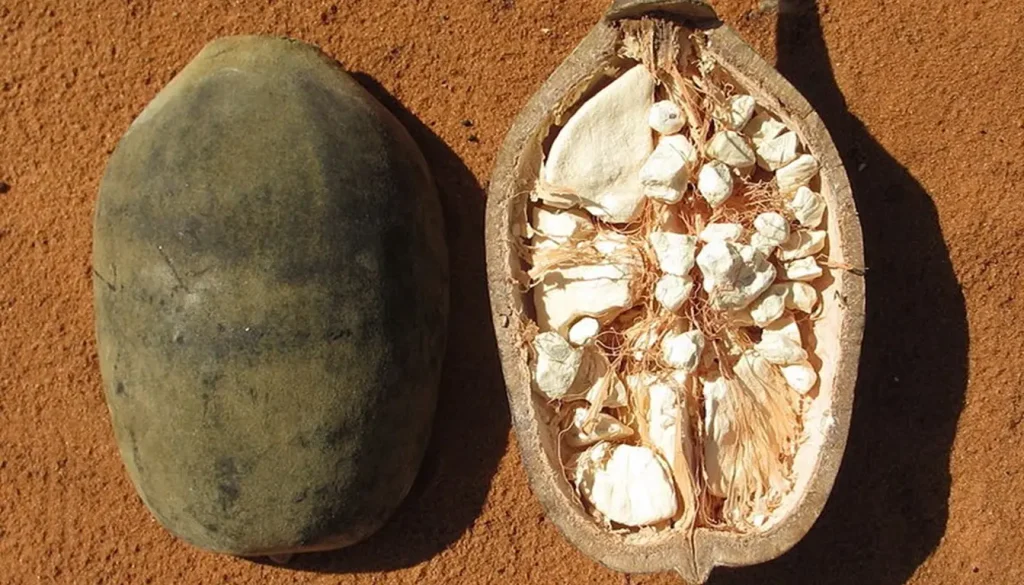
The baobab fruit pulp is a pale, powdery fruit that is tart and refreshing. It is known for its vitamin C content, which is high compared with many common fruits, and it also provides fibre. In Senegal, Mali and Zimbabwe, the pulp is stirred into water or milk to make a cooling drink. Add it to porridge or smoothies for a sharp, citrusy lift.
2. Moringa: The Leaf That Does It All
Called “mother’s best friend” in some regions, moringa leaves are rich in iron, calcium, vitamin A and protein for a leafy green. Fresh leaves go well in soups, stews and eggs, while dried leaf powder can be stirred into pap, sauces or even bread dough. It grows quickly, even in dry areas, so many households plant a tree in the compound.
3. Teff: Ethiopia’s Tiny Giant
The seeds of teff are among the smallest grains in the world, but they carry plenty of fibre, iron and calcium. Ethiopians ferment the batter for days to make injera, the spongy flatbread that carries every stew. Teff is also naturally gluten-free, so it has gained fans far beyond the Horn of Africa. If you have never tried it, start with teff porridge.
4. Fonio: The Grain of Kings
Fonio grows across West Africa, especially in Mali, Guinea, Senegal and Nigeria’s Plateau region. It matures in about two months and tolerates poor soil, which is why it has long been the grain that saves families during lean seasons. Fonio is light, cooks in minutes and has a mild, nutty taste. It contains amino acids that many cereals lack, notably methionine, which makes it valuable for a balanced meal.
5. Millet and Sorghum: Drought-Proof Staples
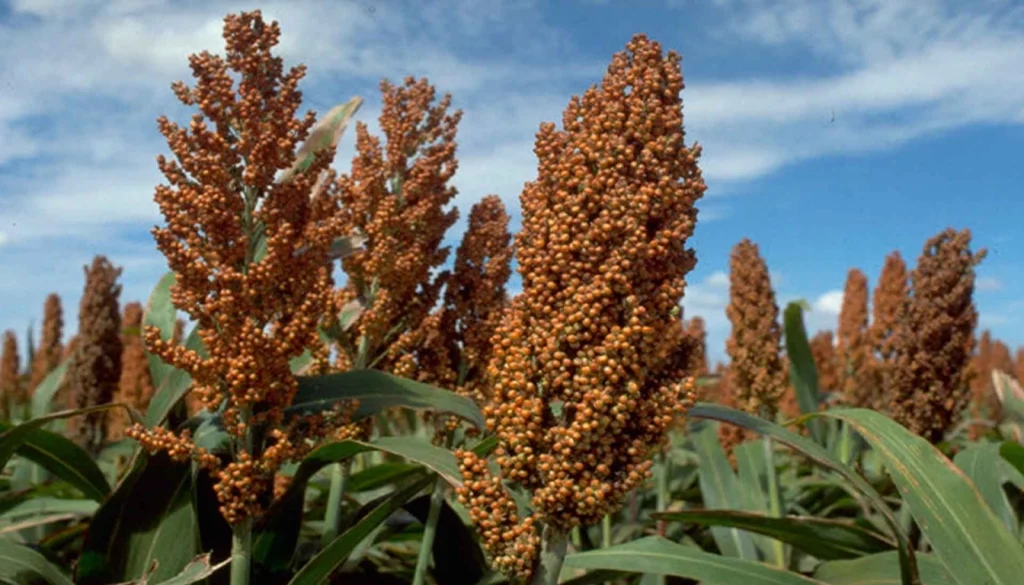
From Nigerian tuwo and kunu to Ugandan millet bread and Kenyan uji, these two grains have carried the savannah for generations. They offer fibre, magnesium and slow-releasing energy, which keeps you full longer than refined flour. Both handle drought far better than maize, a fact that is becoming more important as rainfall patterns change.
6. Cowpeas: Our Everyday Protein
Black-eyed peas, known as beans in Nigeria and Ghana, are one of the most important protein sources for millions of Africans. Moi moi, akara, waakye and countless bean stews all start here. Cowpeas supply protein, folate, iron and fibre at a fraction of the price of meat. Eaten with a cereal like rice or millet, they form a complete protein pairing that our cooks have used instinctively for ages.
7. Amaranth Leaves: Green Gold on the Plate
Known as efo tete or shoko in Nigeria, terere in Kenya and callaloo in parts of the diaspora, amaranth is a leafy green that grows almost like a weed. It is a good source of vitamin A, vitamin C, calcium and iron. Cook the leaves lightly so they keep their colour and nutrients. Many urban families now overlook these greens, even though they often cost less than imported vegetables.
8. Okra: Slimy, Yes. Useful, Absolutely.
Okra, or ila, kopo and bamia depending on where you are, is the vegetable many people either love or avoid because of its slippery texture. That slime is soluble fibre, which supports digestion and helps slow the rise of blood sugar after meals. Okra also provides vitamin K, vitamin C and magnesium. Whether it goes into Nigerian soup, Egyptian bamia or Sudanese weika, it earns its place.
9. Egusi: Seeds That Feed
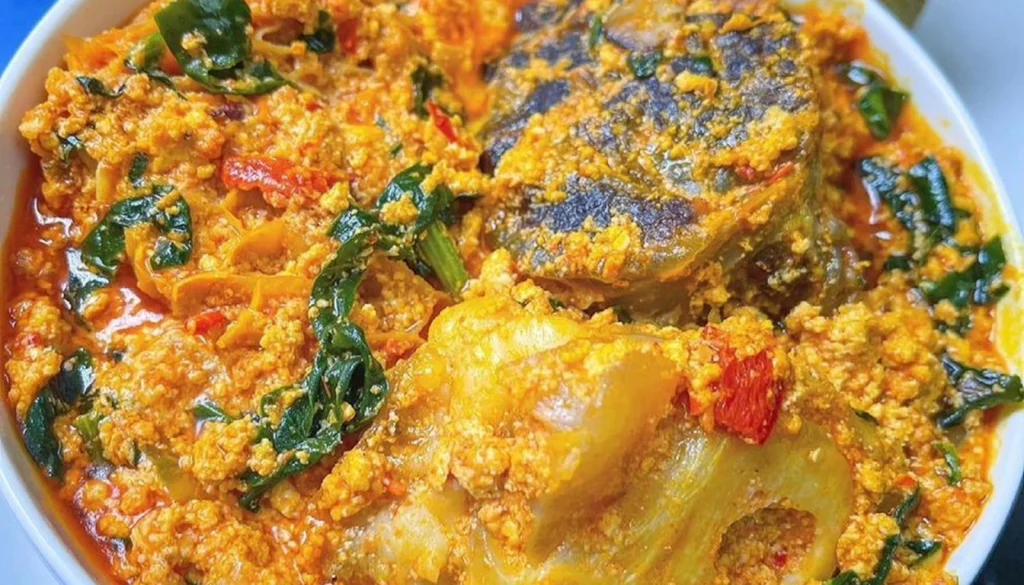
Roasted or ground melon seeds are the heart of egusi soup, a pillar of traditional African cuisine in West and Central Africa. The seeds are rich in healthy fats, protein, zinc and magnesium. Because they are energy dense, a little goes a long way. Pair egusi with plenty of leafy greens, as most cooks already do, and you have a meal that covers several nutritional needs at once.
10. Orange-Fleshed Sweet Potato: Sunshine Underground
The deep orange colour comes from beta-carotene, which the body turns into vitamin A. This matters because vitamin A deficiency remains a public health concern in parts of the continent. Boiled, roasted or mashed, the sweet potato is filling and naturally sweet. In Uganda, Mozambique and Kenya, farmers and health programmes have promoted it for exactly this reason.
How to Bring These Foods Back to Your Table
You do not need to overhaul your kitchen in a week. A few small swaps can make a real difference:
- Replace some of your white rice with fonio, millet or sorghum
- Add a handful of moringa or amaranth leaves to your usual stew
- Swap sugary breakfast cereal for teff or millet porridge
- Keep cowpeas and egusi on your regular weekly menu
- Choose orange-fleshed sweet potato over fries or white bread occasionally
Buying from local markets also supports smallholder farmers, many of whom are women, and keeps money circulating in your community.
A Word of Balance
No single food is magic. Calling something a superfood does not mean it cures disease or replaces medical care. These foods work best as part of a varied plate, with enough clean water, movement and rest. Anyone managing a health condition, or feeding infants, should check with a doctor or dietitian before making big changes.
Final Thoughts
The best part about this list is that none of it is exotic to us. These nutrient-rich African foods grew in our fields, were pounded in our mortars and shared around our family bowls. As the world finally pays attention to African Superfoods, we should be the first to honour them. Pick one from this list this week, cook it the way your mother or grandmother would, and pass the recipe on. A healthier future may simply be a return to what we already know.
Read More
How to Improve Gut Health: Foods, Tips, and Tricks
Africa’s Drylands Are Not Wastelands: What the UN’s New Call to Action Means for the Continent
African Cuisines Gaining International Attention: Dishes and Food Cultures to Know
MasterChef Nigeria Heartbreak: Pearl and Margaret Become First to Exit as N73 Million Race Heats Up
What Makes Hawawshi at Al-Rifai So Special? Inside Cairo’s Legendary Sandwich Spot
