
From the Sahel to the Horn of Africa and the plains of southern Africa, millions of people depend on trees that outsiders rarely notice. The UN call to action on dryland forests, launched in Rome on October 2, asks the world to finally treat those trees as a global priority. It was unveiled by the Food and Agriculture Organization (FAO) at a high-level dialogue during World Forest Week.
Forests Where Many Expect None
Drylands are defined by scarce water, so people often picture empty land. In fact, they cover about 41 percent of the planet’s land surface and hold 27 percent of global forest area. FAO says more than two billion people rely on these forests and trees for income, food and cultural identity, yet global climate, biodiversity and land agendas still give them little attention.
The Safety Net That Never Closes
For many rural households, dryland trees are the nearest thing to insurance. They supply fuelwood for cooking, fodder for livestock, wild foods and medicinal plants. When a harvest fails, families turn to them for food and income. The trees also shield soil and water, which keeps farms and herds going through long dry seasons. Anyone who has seen a family gather baobab fruit or tap acacia for gum will recognise how much of the economy sits outside formal records.
A Quarter Already Damaged
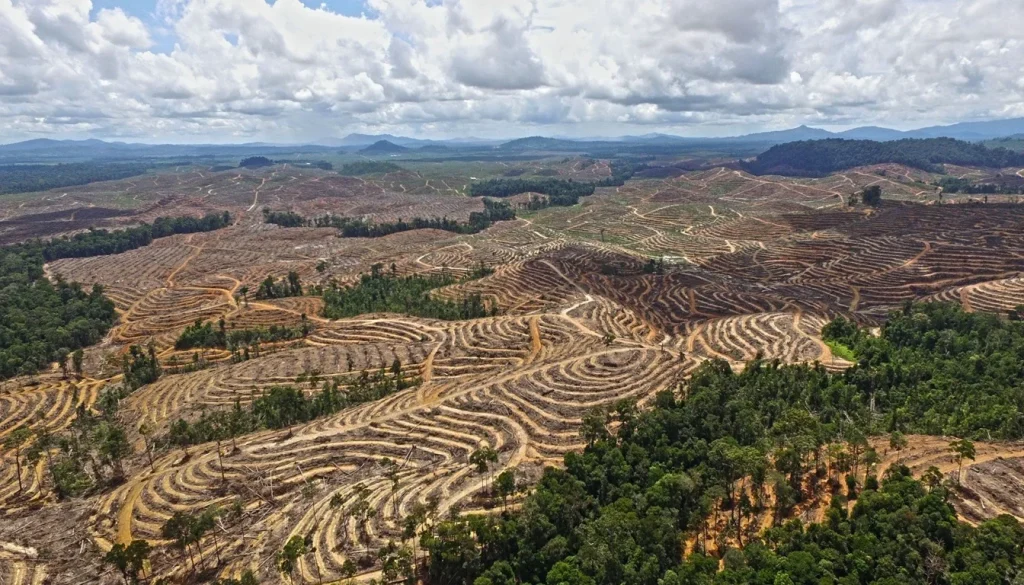
The pressure is mounting. FAO estimates that about 25 percent of dryland forest ecosystems are already degraded, mostly because of expanding farmland, growing cities and unsustainable harvesting. Longer droughts now add water stress and fire risk. The people who suffer most are smallholders, pastoralists, Indigenous communities, women and young people, the same groups with the least say in how land is planned.
What the Call Asks For
The call urges governments, donors and partners to improve how dryland forests are managed, restored and governed. It wants them built into national climate, biodiversity and land plans, and backed with much more money.
At its centre is a proposed Dryland Forest Support Accelerator, a country-led platform anchored by FAO. It would help countries write dryland forests into their national climate pledges and land degradation targets, secure long-term finance and track results better. It also asks that dryland forests be formally recognised as a priority ecosystem under the UN Convention to Combat Desertification.
Why Africa Should Pay Attention
Africa has more at stake than most regions. Efforts like the Great Green Wall already show how much energy exists for restoring dry landscapes, but scattered projects rarely last. FAO’s Director-General, Qu Dongyu, said dryland forests are too often overlooked, poorly monitored and underfunded, and that this has to change.
Whether it does will depend on follow-through. African governments can start by counting their dryland forests properly, funding local communities that look after them and bringing them into negotiating rooms where climate finance is decided.
Explore Africa’s Changing Stories and Culture
What Is Shaping Horn Of Africa?
Check out the conflicts and peace deals reshaping the region.
How Are African Women Breaking Barriers?
Discover how women entrepreneurs are transforming African business.
Why Are Africa’s Cities Facing Risks?
Find out how rapid urban growth is creating new security challenges.
Which African Cuisines Should You Know?
Explore the dishes and food cultures gaining global attention.
What Is Africa’s Agriculture Finance Gap?
Uncover how adaptation finance challenges are affecting African agriculture.
