
Puppetry came long before cinema screens and streaming platforms, the art of moving carved figures in the firelight had the magic to silence an entire village. African Puppetry is one of the continent’s oldest and least celebrated art forms, and as history reveals it has carried laughter, warnings, history and prayer across generations. Today, as young artists are picking up the craft again, it is finding new audiences not only in their birthplaces but also overseas.
What Makes African Puppetry Different
This art has been picked up by many civilizations all over the world. While entertainment has been the primary intent, the craft always carried and conveyed a lot more than just that. It acted as a messenger, as a teacher, as a judge, or even as an intermediary between the living and their dead ancestors. The performer is rarely just an entertainer. The person could also be a respected member of the society, a spiritual leader, or a vocal commentator.
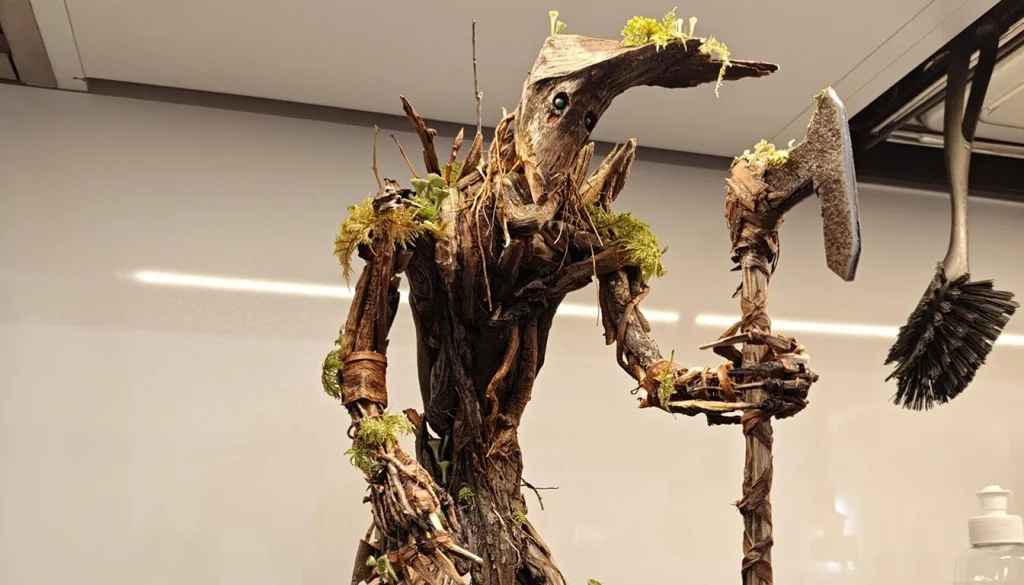
This is why traditional African puppets come in so many forms. Some are carved from wood and worked with rods. Others include glove puppets, string puppets, or body puppets that the performer wears. These puppets are often made from natural products such as gourds, raffia, fabric, clay, bone, and animal skin. Every material has significance and every region has its own unique style.
Mali’s Puppet Masters
Puppetry art form has been performed in Mali as well. Puppet performance carried out by the Bamana and Bozo people used to have connections to farming activities, young peoples’ associations, and ceremonies. Puppets of animals such as antelopes, hyenas, and birds were used in the performance that integrated music, dancing, and speaking. The laughter that comes from the audience as a result of being amused by the foolishness of the hyena is also joined by cheering for the hare in the process. It means that the lesson is delivered on greed, patience, and respect.
There is no muteness involved in such a performance due to having the drummer, singer, and a loud crowd around. This interaction of the puppet, music, and the audience is one of the features of African oral culture.
From Masquerade to Marionette in West Africa
The Alarinjo Travelling Theatre in Nigeria developed from the masquerade traditions and had the carved figures and masked actors moving from one town to another. One of its best tools was satire. Using a comic character or a wooden doll, the actors could ridicule the chiefs or even criticize bad behavior and social changes without being penalized for it.
In other regions of West Africa like in Burkina Faso, Ghana, Côte d’Ivoire, and Togo, there are also their puppet and masquerade traditions. The separation of the puppet, the mask, and the costume is very delicate. The important thing is the spirituality of the character and the story that he or she could tell. This is the reason why the experts of the performing arts in Africa do not make distinctions between puppetry and dancing, drumming, and rituals.
Stories From the Forest and the Fireside
Most puppet shows draw on African folklore. The trickster hare, the wise tortoise, the greedy chief and the foolish king are all familiar figures to audiences from Dakar to Durban. The spider Anansi of Ghanaian folklore is a good illustration of a character that has traversed seas and decades.
Puppets give these characters a body. The bedtime story by a grandmother comes alive in the performance, and children who are prone to forget verbal teachings will always remember seeing a puppet trip up from pride. For such reason, the use of puppets has been used over centuries to teach children informally about their morals, heritage and laws.
Puppets as Teachers and Healers
Modern educators have noticed what elders always knew. “Puppets make good communicators and are useful when handling both children and sensitive topics.” The method of using puppets in the process is used by health care practitioners in the continent in order to handle matters such as hygiene, vaccination, HIV awareness and malaria control. The puppet can raise issues that are sensitive in nature without causing embarrassment to people.
Theatrical groups within communities employ the puppetry technique in addressing issues like land conflicts, voting, child protection, and environmental management among others. The only thing that has changed is the way the tradition has evolved along with the times.
The Global Stage Notices
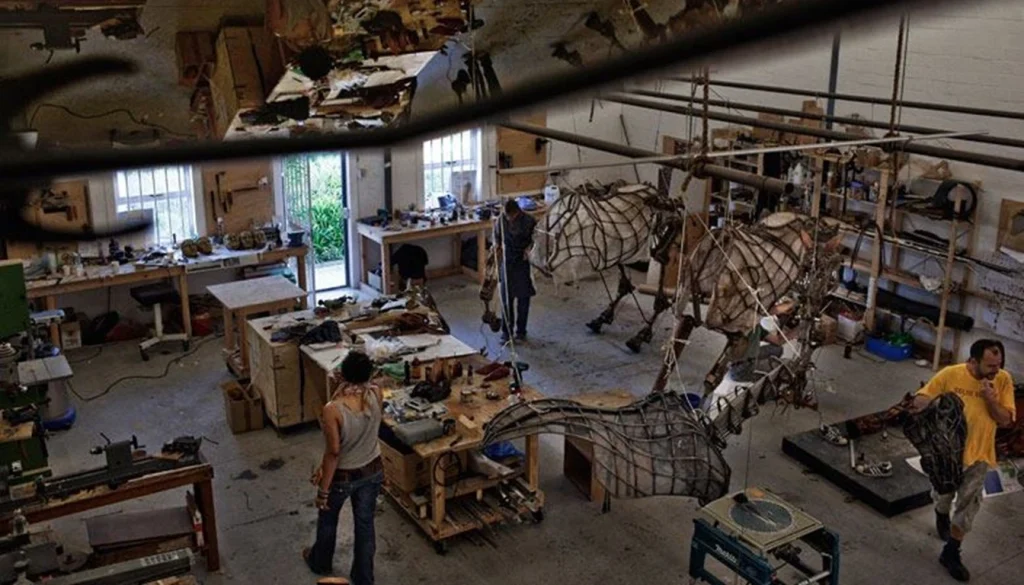
The Handspring Puppet Company in South Africa, formed in Cape Town in 1981, demonstrated what African artists were capable of. The partnership between the company and William Kentridge in his play Ubu and the Truth Commission was an effort to put painful memories of the nation on stage, while their later production War Horse won them recognition around the world. Handspring’s achievements are important because it demonstrated that puppetry is not just an activity for children, but a serious type of traditional theater and modern art.
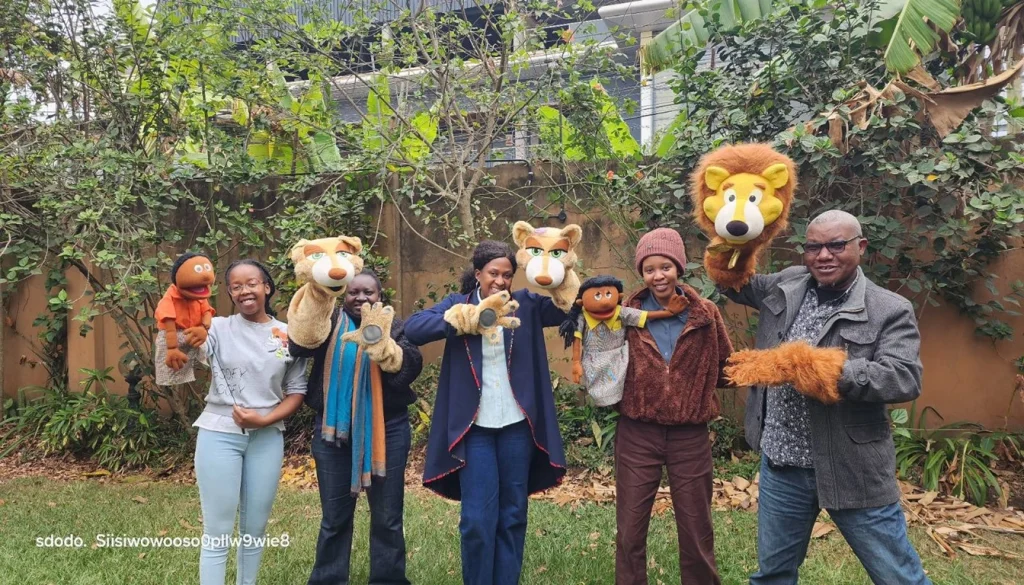
In Kenya, Uganda, Zimbabwe, Ghana, and Senegal, young artists continue the trend. Some merge the traditional techniques of carving with the use of recycled materials. Others incorporate video, lighting, and electronic music into their works. And some even went digital, creating short clips using social networks as the platform.
Why Cultural Heritage in Africa Needs Its Puppeteers
While all this has been accomplished, there is trouble in paradise. Most master puppeteers have grown old and the technique of carving, dressing and handling the figure is usually transmitted through oral teaching. If an elderly person passes away without teaching his apprentice, an entire range of skills may be lost.
Financing is yet another problem. Puppet companies rarely receive the support given to music or film, and rural performers have few ways to reach paying audiences. The African puppets could equally be showcased in silence in museums as artifacts kept in glass cases, stripping away the sound, movement, and entertainment that made them so special.
Preservation of cultural heritage in Africa is not just about collecting artifacts; it is also about documenting the performance, compensating the artist adequately, and integrating the craft into the educational curriculum.
How to Support the Tradition
Here are easy steps that can be taken to assist. Attend the local festivities and watch the puppet performances. Make sure the puppeteers perform in schools, churches, and the local community. Buy the handmade puppets directly from the puppeteers and not from intermediaries who pay them a pittance for their art. Help spread the word about them on social media sites, and find yourself some elders who can give you figures and tales of your community.
The universities, the arts council, or the cultural ministries can play a role here by establishing puppetry training, collection, and touring funding programs. A puppet is only as good as the hands that make it move.
A Living Art, Not a Relic
It is not a part of African heritage that can lie forgotten in a museum to be retrieved and rescued one day. It is a dynamic art, continuing to amuse and communicate its message to people. In an age where everything depends on electronic images, an old wooden sculpture along with a creative artist can silence the whole crowd to the point of making them laugh.
The next time you encounter a puppet either in a marketplace or school or any festival arena, please take a pause to look. You could very well be witnessing one thousand years of tradition, alive and kicking, and just waiting to be taken forward by the next generation of puppeteers.
Read More
African Cuisines Gaining International Attention: Dishes and Food Cultures to Know
African Superfoods: 10 Traditional Foods Packed With Nutrients Your Grandmother Already Knew About
Super El Niño Is Coming: Africa Has Two Weeks to Prepare
Ankara Fabric History: How a Dutch Experiment Became Africa’s Proudest Print
Ethiopian Coffee: The Ancient Brew That Gave the World Its Morning Ritual
