
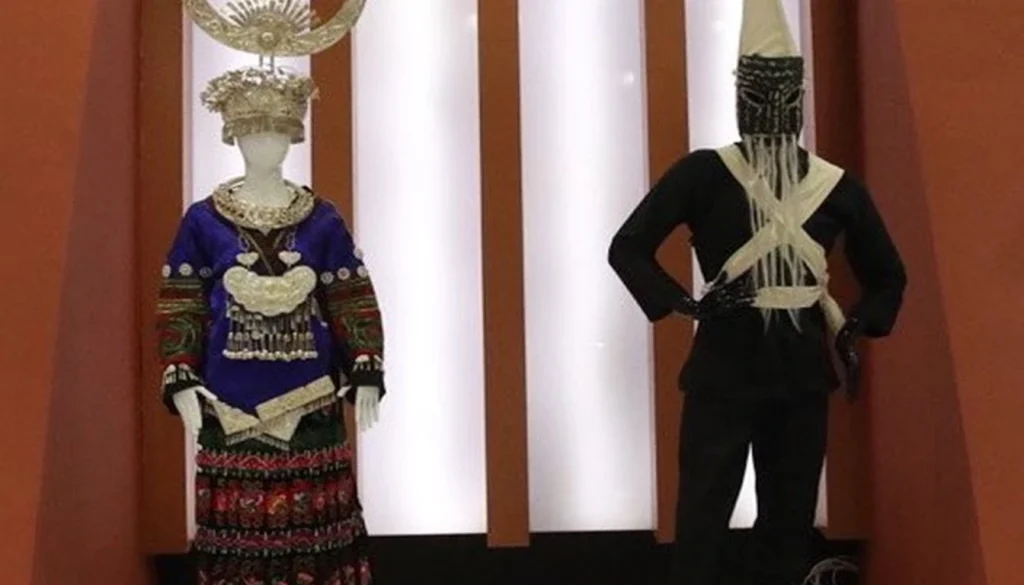
Walk into almost any national museum on the continent and you will feel two stories pulling against each other. African Museums hold the objects, voices and memories that tell who we are, yet many of them were built, named and arranged by the very powers that once ruled us. That tension is the heart of the conversation about African museum heritage today.
Museums Born Under Colonial Rule
Many of the continent’s oldest institutions began as colonial projects. Administrators, missionaries and army officers collected masks, textiles, carvings and everyday tools, then shipped them to display cases in London, Paris, Brussels and Berlin. The few museums set up inside Africa often served settler communities first. Local people were frequently treated as subjects of study rather than as visitors or owners.
This shaped what was kept and how it was described. Labels spoke of “tribes” and “primitive art.” Kingdoms with courts, laws and trade networks were flattened into curiosities. Anyone who has read the old captions knows how much was lost in translation, and how much was never asked at all. Colonial history in Africa was written by outsiders, and the displays long carried that outsider’s voice.
The Weight of Looted Treasures
No conversation about this subject is complete without the Benin Bronzes. British forces looted thousands of brass plaques and sculptures from the Kingdom of Benin in 1897, and those works scattered across museums in Europe and North America. For generations, Nigerians who wanted to see their own royal history had to travel abroad to do it.
The tide has started to turn. A 2018 report commissioned by France’s president, written by Senegalese scholar Felwine Sarr and French art historian Bénédicte Savoy, argued that objects taken without consent should go back. In 2021 France returned 26 royal treasures to Benin Republic. In 2022 Germany agreed to transfer ownership of its Benin Bronzes to Nigeria, and the Smithsonian also announced returns. Progress is real, but it is uneven. Many pieces remain abroad, and the debate over who decides where they should live is far from settled.
Building Spaces on Our Own Terms
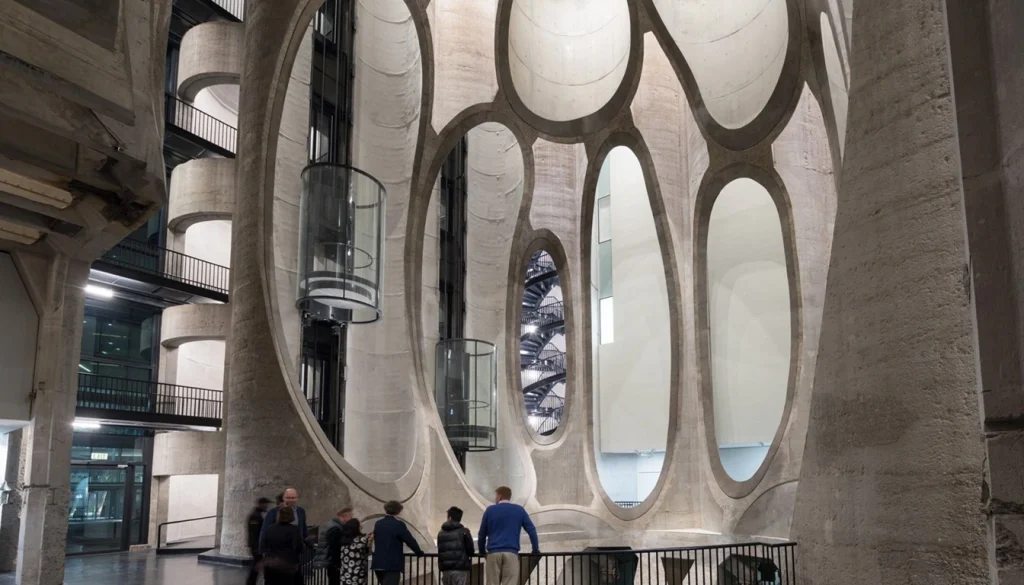
While arguments over restitution continue, African curators have not been waiting. The Museum of Black Civilisations in Dakar opened in 2018 with a very different mission, telling the story of Black peoples from their own perspective and across the world. In Cape Town, Zeitz MOCAA set out to showcase contemporary art from the continent and its diaspora. Egypt’s Grand Egyptian Museum near the Giza pyramids shows what large-scale investment in African cultural heritage can look like.
In Nigeria, plans for the Edo Museum of West African Art in Benin City are meant to give returned works a proper home. South Africa’s Apartheid Museum and the Robben Island site take on painful chapters directly, without softening them. These places show that African Museums can be confident narrators of their own history and not just custodians of someone else’s script.
The Daily Work of Preservation
Behind every display is quiet, difficult labour. Museum preservation in Africa means fighting heat, humidity, pests and dust with limited budgets. Climate control is expensive. Trained conservators are scarce. Some institutions lack proper storage, so priceless African historical collections sit in rooms never designed to protect them.
Conflict and neglect add to the risk. Sites have been damaged in wars, and collections have gone missing during unrest. Small regional museums often survive on the passion of a few staff members who stay long after the funding dries up. Partnerships with universities, international bodies and private donors help, but they must be fair ones that leave decision-making in African hands.
There is also the question of what counts as heritage in the first place. Oral histories, songs, ceremonies and craft skills are as valuable as any carved figure. Some of the most exciting work now involves recording elders, digitising archives and letting communities have a say in how their stories are told.
Decolonising Museums: More Than a Buzzword
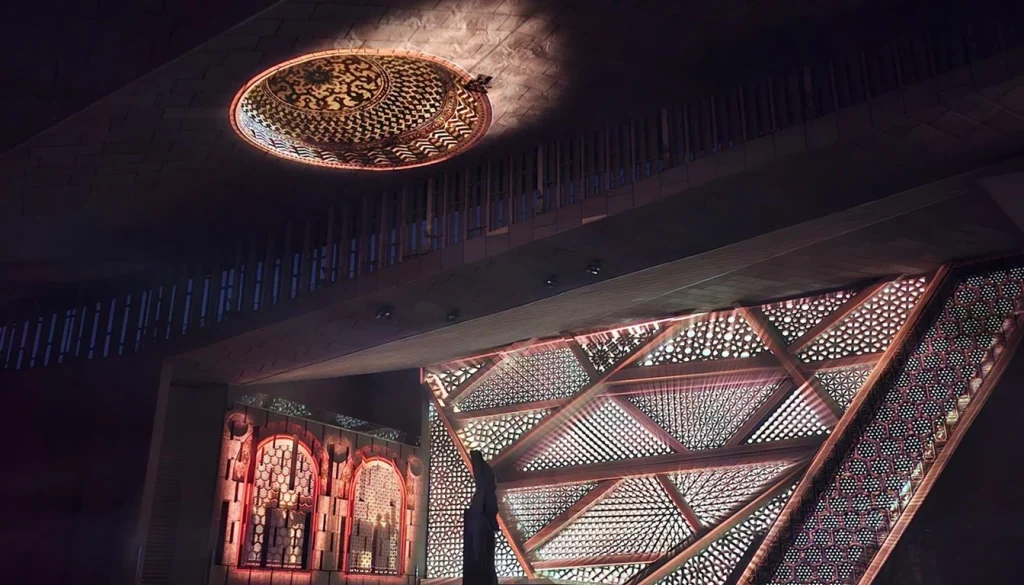
Decolonising museums is a phrase heard in every conference hall, but what does it mean on the ground? At its best, it means rewriting labels so that they credit the makers and the cultures behind the objects. It means hiring African curators, historians and community advisers. It means admitting how an object arrived, even when the answer is uncomfortable.
It also means thinking about audiences. A museum that charges high fees, sits far from public transport or speaks only in a colonial language shuts out the very people whose heritage it holds. Schools, local languages, free entry days and travelling exhibitions can change that. Young Africans should be able to walk into a gallery and see themselves in it.
Critics sometimes say the push for change is only about returning objects. That misses the point. Restitution matters, but so does the way stories are told in the buildings that remain. A returned bronze placed in a case with a careless label has not truly come home.
Reflecting Without Erasing
There is a risk in the opposite direction too. Some argue that colonial-era displays should simply be removed, but erasing that layer would hide how history unfolded. Several museums are choosing a different path. They keep the old exhibits and place new commentary beside them, so visitors can see how the past was framed and then see how it should be understood now.
This honest approach asks more of everyone. It asks curators to be open about gaps and mistakes. It asks visitors to sit with discomfort. And it reminds us that preserving history does not mean agreeing with the people who first recorded it.
What Comes Next
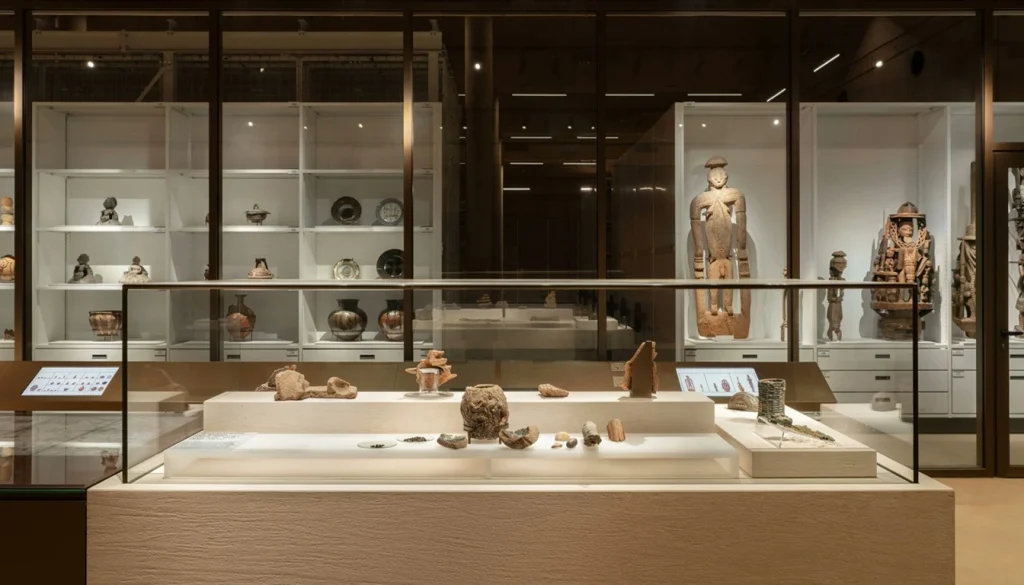
The road ahead has a few clear markers. Governments can fund museums as a serious public good rather than an afterthought. Training programmes can grow a new generation of conservators and curators. Digital tools can open collections to anyone with a phone, which matters on a continent with so many young people. And international institutions holding African objects can move faster on loans, shared custody and returns.
None of this will happen overnight. Still, the direction is encouraging. More Africans are asking who owns the story, who tells it and who gets to see it. Those are the right questions.
Our Story, Told by Us
African Museums sit at a crossroads. They carry the weight of colonial interpretations in their walls, their catalogues and sometimes their very foundations, while also holding the proof of our creativity, resilience and genius. The task now is to keep what must be kept, correct what was told wrongly and open the doors wider. When a child in Lagos, Nairobi or Dakar can stand before the work of their ancestors and read a label written in their own voice, the museum has finally done its job.
Read More
Free Entry to Egypt’s Museums on May 18 – Which Sites are Excluded and How to Plan Your Visit?
Wild animals facing malnutrition in Kenya museums
African Puppetry: The Wooden Voices Keeping Africa’s Stories Alive
