
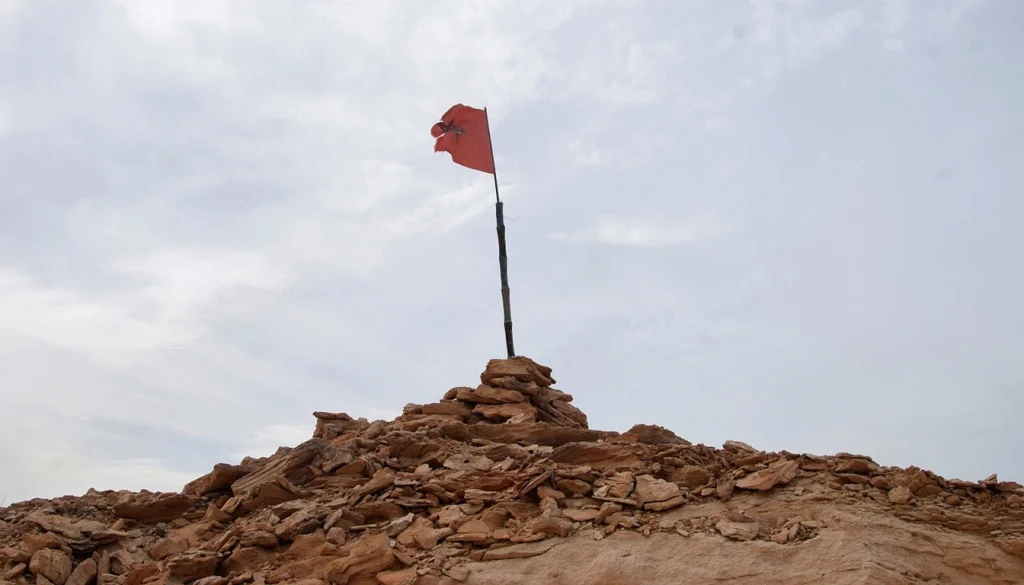
Morocco has promised calm after one of Africa’s longest-running peacekeeping missions closed its doors. Rabat says its commitment to the Western Sahara ceasefire will not change, even though UN monitors are leaving. The royal palace made the pledge on Wednesday, following a meeting chaired by King Mohammed VI with the prime minister, a royal adviser and the army chief.
The End of a 35-Year Mission
The UN peacekeeping mission, known as MINURSO, ceased operations on 1 November after the Security Council failed to renew its mandate. A US-Russia standoff sank any deal: Russia vetoed a US draft that would have backed Morocco’s sovereignty claim, and a rival Russian proposal to extend the mission was voted down. The mission began after a UN-brokered ceasefire in 1991 and was meant to prepare a referendum that never happened.
Rabat Calls It a Victory
Morocco welcomed the outcome. The palace described the mission as outdated and unable to ensure compliance with the ceasefire. Foreign Minister Nasser Bourita said Rabat’s next step is to have Western Sahara removed from the UN’s decolonisation committee, claiming support from two-thirds of UN members.
Morocco controls all the territory’s urban centres and its coastline, and a 2,700-kilometre sand wall built in the 1980s keeps most of the land under its control.
Polisario and Algeria Push Back
The Polisario Front, which wants an independent state, said it was “concerned”. Algeria, which backs the group, voiced deep regret. The Polisario said in 2020 that it had resumed armed struggle, and the UN calls the conflict low intensity. Rabat and Algiers have had no diplomatic relations since 2021, and the UN has warned that the mission’s end risks further strain.
Why Africa Should Care
Western Sahara is often called Africa’s last unresolved colonial question. Egypt, Ghana and Pakistan were the top troop contributors to the mission, so African soldiers served there for decades. Twenty personnel died.
Now the continent’s attention turns to a simple question: with no international referee on the ground, will a promise be enough? UN Secretary-General Antonio Guterres has urged maximum restraint. For the people living in the territory and in the refugee camps, the answer matters far more than any diplomatic statement.
Read More
Morocco Woman-Led Government Takes Office: A Historic First for North Africa
Morocco Coalition Government: Why Rabat’s New Four-Party Deal Matters Beyond Morocco
Spain Morocco Migration Crisis Shadows King Felipe’s Ceuta Visit
Morocco First Woman Prime Minister: King Appoints Fatima Ezzahra El Mansouri After Election
